

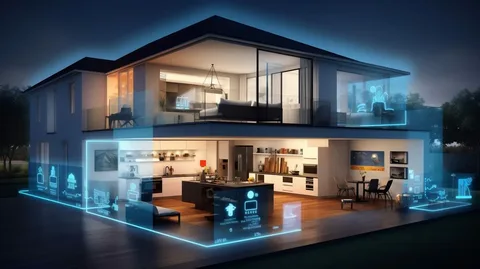
It often starts with a smart speaker or a video doorbell, then gradually expands to include security cameras, kitchen appliances, and even electric vehicle chargers. Before long, your home is using electricity in a very different way than it did just a few years ago.
Most smart devices don’t use huge amounts of electricity on their own. The real change comes from how many devices are connected, how often they’re operating, and how they communicate with one another.
Understanding these changes helps you enjoy the convenience of smart technology while keeping your home’s electrical system safe, efficient, and ready for the future.
More Devices Mean More Continuous Power Use
Traditional electrical appliances are simple. You switch them on, they do their job, and you switch them off.
Smart devices work a little differently. Many stay connected to your home’s Wi-Fi around the clock, quietly waiting for instructions.
Your smart thermostat checks the temperature throughout the day, your video doorbell keeps watch for visitors, and your voice assistant is always ready to respond to a question.
This is often called standby power, but don’t let the name worry you. It simply means a device is using a small amount of electricity so it can react instantly when needed.
One smart plug won’t make much difference, but a home with dozens of connected devices can use more electricity than homeowners expect.
The convenience is undeniable. The key is understanding that “always connected” also means “always using at least a little power.”
Smart Doesn’t Always Mean High Power
It’s easy to assume that smart devices are responsible for soaring electricity bills, but that’s not always true.
Many smart gadgets, including speakers, plugs, sensors, and LED lighting, use very little electricity. Their main job is to collect information or communicate with other devices rather than generate heat or movement.
The biggest electricity users are often the appliances they’re controlling. An electric oven, immersion heater, tumble dryer, heat pump, or electric vehicle charger uses far more power than the smart controls connected to it.
Think of it this way. The smart thermostat isn’t expensive to run. The boiler or heating system it controls is where most of the energy is used.
Understanding the difference helps homeowners focus on the appliances that have the greatest impact on their electricity consumption.
Your Consumer Unit Still Has Limits
Behind every modern home is a consumer unit, sometimes still called a fuse box. It’s the central point that safely distributes electricity to different parts of the property through separate electrical circuits.
Every circuit has a limit. Kitchens, bathrooms, lighting, sockets, and outdoor equipment are usually divided so electricity can be supplied safely throughout the home.
As households become smarter, they’re often adding equipment that places greater demands on these circuits. Electric vehicle chargers, induction hobs, home offices, air conditioning units, and garden rooms all increase the amount of electricity the home may need at certain times.
That doesn’t automatically mean there’s a problem. It simply means your electrical installation should keep pace with the way your home is changing.
Automation Can Save Energy
One of the biggest advantages of smart homes is automation.
Lights can switch themselves off when nobody is in the room. Heating can lower automatically while you’re at work. Outdoor lights can come on only after sunset, and blinds can close during hot afternoons to keep rooms cooler.
Used well, automation makes homes more comfortable while reducing unnecessary energy use.
However, poorly planned routines can have the opposite effect. Heating empty rooms, leaving decorative lighting on all night, or forgetting to update holiday schedules can quietly increase electricity consumption without anyone noticing.
Technology is only as clever as the instructions it receives. Spending a few minutes reviewing your settings every so often can make a surprising difference.
Plan for Tomorrow, Not Just Today
Smart homes tend to grow over time.
Today’s smart speaker often becomes tomorrow’s connected lighting system, security cameras, garden office, battery storage, or electric vehicle charger. Planning for that future now can save considerable time and expense later.
When renovating, it’s worth thinking about adding extra sockets where they’re likely to be useful, installing charging points for devices, and leaving room for future upgrades. Even something as simple as avoiding a maze of extension leads makes a home safer and more practical.
A little forward planning means your home can adapt as technology evolves.
Monitor What Your Home Is Really Using
It’s difficult to manage electricity if you don’t know where it’s going.
Many smart plugs and home energy monitors now show exactly how much electricity individual appliances use. Smart meters also provide a clearer picture of overall household consumption, helping homeowners spot patterns throughout the day.
You might discover that an older appliance uses far more electricity than expected, or that heating comes on earlier than necessary each morning.
Small discoveries like these often lead to meaningful savings without changing your daily routine.
Renewable Energy Fits Naturally into Smart Homes
Smart technology and renewable energy work particularly well together.
Solar panels generate electricity during daylight hours, while battery storage systems save unused energy for later. Many smart home systems can automatically run appliances when solar production is highest or when electricity tariffs are cheaper.
Some electric vehicle chargers can even schedule charging overnight, helping homeowners take advantage of lower off-peak rates while reducing pressure on the electricity grid.
As renewable technologies become more common, smart systems make it much easier to use that energy efficiently.
Know When It’s Time to Call a Professional
Most smart home devices are straightforward to install, but larger electrical upgrades should always be approached carefully.
If your circuit breakers trip regularly, or lights flicker when larger appliances are switched on, your electrical installation may need attention.
The same applies if you’re planning to install an electric vehicle charger, a heat pump, solar panels, or several new high-powered appliances.
An experienced electrician in Chiswick can assess whether your consumer unit, wiring, and electrical circuits are suitable for your home’s current and future power demands.
Professional advice ensures new technology works safely without placing unnecessary strain on the electrical system.
Conclusion
Smart homes offer impressive convenience, greater control, and exciting opportunities to reduce energy waste. At the same time, they change the way electricity flows through your home, often in ways that aren’t immediately obvious.
Smart homes don’t simply need more electricity. They need smarter planning.
