

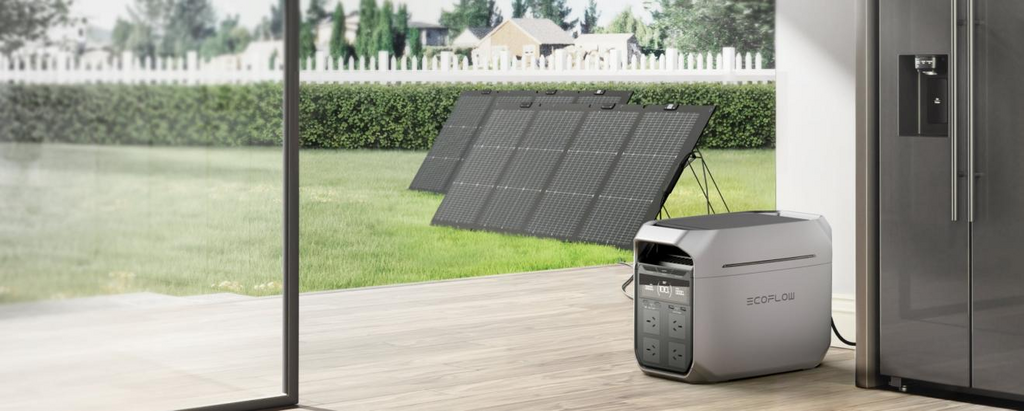
Lithium power station storage safety starts with controlling heat, charge level, and physical protection. These battery systems are reliable when handled correctly, but poor storage habits can shorten lifespan and increase risk. Safe storage means keeping the unit in a stable indoor location, maintaining a moderate state of charge, and checking it regularly during long idle periods. A few simple precautions help prevent battery damage, preserve performance, and reduce the chance of overheating, moisture intrusion, or electrical faults.
Choose the Right Storage Environment
Ideal Temperature and Humidity Conditions
Store a lithium power station in a clean, dry space with stable temperature and moderate humidity. A cool indoor environment is best because excessive heat speeds battery aging, while damp conditions can corrode terminals and internal components. Aim to avoid condensation, standing moisture, and poorly sealed sheds or garages. Good airflow also helps maintain safe conditions. If possible, use a location that stays consistently within the manufacturer’s recommended storage temperature range throughout the year.
Avoiding Heat, Cold, and Direct Sunlight Exposure
Keep the unit away from radiators, vehicle interiors, windowsills, and other places where heat can build quickly. Direct sunlight raises surface and internal battery temperatures, increasing stress on lithium cells. Extremely cold conditions can also harm performance and make charging unsafe if the battery temperature is too low. Do not leave a power station outdoors or in an uninsulated space during seasonal extremes. Stable indoor storage protects both battery chemistry and the device’s safety systems.
Safe Charging and State-of-Charge Practices
Why Partial Charge Levels Improve Safety
For storage, a partial charge is safer than keeping a lithium power station fully charged for long periods. Mid-range charge levels reduce stress on battery cells and help slow capacity loss over time. Storing the battery at roughly 40% to 60% is a practical target for long idle periods. This range also leaves a buffer against self-discharge without pushing the battery to a high-voltage state. Before storing, confirm the unit is powered off completely.
Avoiding Overcharging and Deep Discharge
Do not leave the power station plugged in continuously unless the manufacturer specifically allows that storage method. Long-term overcharging can create unnecessary heat and increase cell strain. Deep discharge is also harmful because a battery left near zero for too long may enter a damaged state or fail to recharge properly. Recharge the unit before it drops too low, and top it up periodically during storage. Use the original charging accessories to support safe voltage and current control.
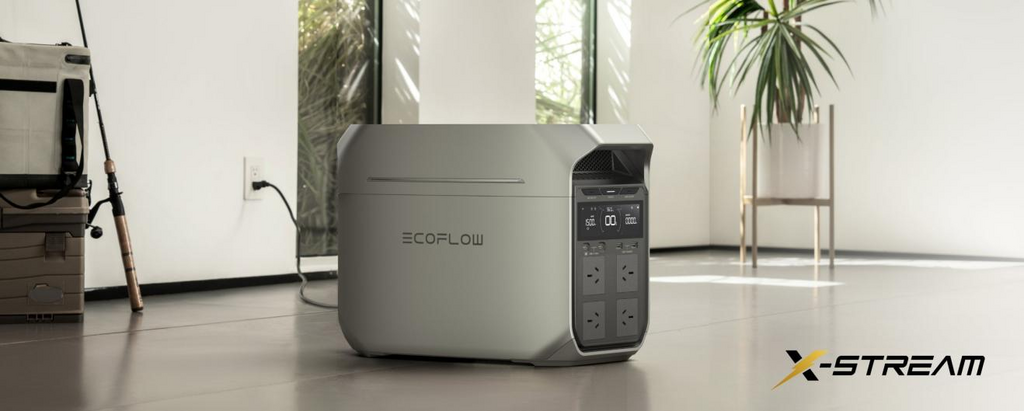
Physical Safety and Handling Guidelines
Preventing Impact, Moisture, and Short Circuits
Handle the power station carefully and protect it from drops, crushing forces, and punctures. Physical damage can compromise internal cells and create delayed safety hazards. Keep the ports covered when not in use, and never store metal tools, loose batteries, coins, or cables where they can contact exposed terminals. Moisture is another serious risk, so avoid wet floors, leaking basements, and areas with heavy condensation. Dry, protected storage helps prevent corrosion, shorts, and insulation failure.
Proper Placement and Ventilation Rules
Place the unit on a stable, nonflammable surface with enough clearance around vents and cooling openings. Avoid stacking heavy items on top of it or storing it in cramped cabinets that trap heat. Ventilation matters even when the power station is idle because ambient heat can build up in enclosed areas. Keep it away from flammable liquids, paper piles, fabric, and other combustible materials. A secure, open location reduces fire risk and makes routine checks easier.
Long-Term Storage Maintenance Tips
Regular Inspection and Condition Checks
Inspect the power station on a regular schedule during storage rather than forgetting it for months. Check the casing for swelling, cracks, rust, discoloration, unusual odor, or moisture exposure. Review the battery level and recharge it to the recommended storage range if needed. Confirm ports, cables, and connectors remain clean and undamaged. If the unit has a display or app monitoring function, look for warning messages or abnormal temperature readings. Consistent inspections catch problems early.
Keeping Battery Health Stable During Idle Use
Long-term battery health stays more stable when the unit is cycled lightly and monitored at intervals. If storage lasts several months, check the state of charge every few months and recharge before it becomes deeply depleted. Avoid frequent unnecessary topping off, which keeps the battery at high voltage too often. Instead, maintain a moderate charge band and return the unit to storage. Before important use, perform a full function check so the system is ready and dependable.
Emergency Signs and What to Do
Warning Signs of Battery Failure
Take warning signs seriously because lithium battery problems can escalate quickly. Stop using the power station if you notice swelling, hissing, smoke, excessive heat, melted plastic, sparking, leaking fluid, or a sharp chemical smell. Other red flags include sudden capacity loss, repeated shutdowns, charging failure, or error alerts that do not clear after basic troubleshooting. These symptoms may indicate internal cell damage, thermal instability, or electronic failure, and they require immediate safety-focused action.
Safe Isolation and Response Steps
If a power station shows failure signs, turn it off if that can be done safely, unplug all cables, and move nearby combustible items away. Isolate the unit in a well-ventilated area on a nonflammable surface, away from living spaces. Do not open, crush, or attempt to repair a damaged battery pack yourself. If smoke or fire appears, follow lithium battery fire guidance and contact emergency services. Afterward, arrange disposal or service through approved battery handling channels.
Conclusion
Safe lithium power station storage depends on a few clear practices: choose a dry, temperature-stable location, keep the battery partially charged, prevent physical damage, and inspect it regularly. Avoid heat, direct sun, moisture, and long periods at full or empty charge. Place the unit on a ventilated, nonflammable surface and act quickly if you notice swelling, odor, smoke, or unusual heat. These storage safety best practices help protect your equipment, extend battery life, and reduce preventable hazards.

1 thought on “Lithium Power Station Storage Safety Best Practices”