

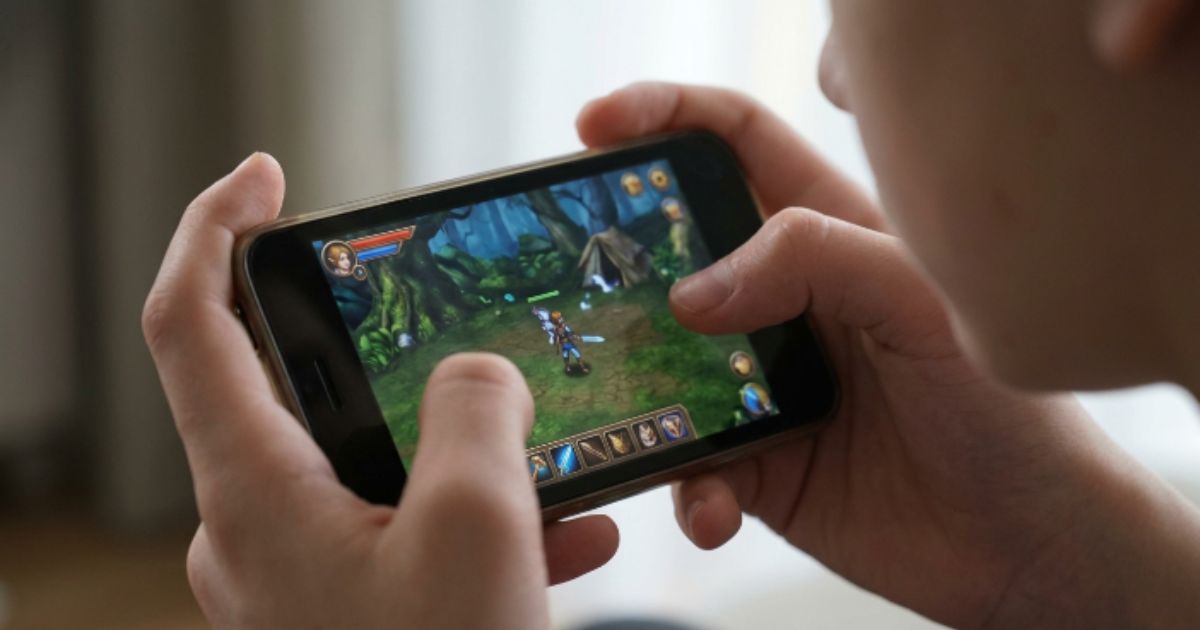
Mobile gaming has changed a lot over time. It started as just something people used to do for fun. Now, it is a big and growing business that makes a lot of money all over the world. A lot of mobile games feel just as good as the games you get on old machines or computers. This is true for how the games look and the way you play them. But the main reason for this change is not just how a mobile device shows pictures. A huge part is because you can touch the screen to play the game.
The move to very fast touch screens means there is no more delay. Players feel that they can do all their moves right away when they touch the screen. It does not matter if you play tough games with other people, want to make fast moves, or use live apps like ufabet mobile login, touch actions always feel quick. This quick flow lets games feel smooth on your phone.
The Technology Driving Touch Responsiveness
Several processes are involved when you touch the smartphone screen or swipe the screen with your finger. These are carried out using the device’s hardware and software. All these processes help make the input process faster.
1. Touch Sampling Rates vs. Display Refresh Rates
- People usually mix up the refresh rate with the touch sampling rate.
- Refresh Rate: The number of times the display updates your screen every second.
- Touch Sampling Rate: The number of times per second the screen checks whether there is a touch or not.
Many of these modern gaming phones today have touch sampling rates beginning at 360Hz and up to 960Hz and beyond. With a 480Hz touch sampling rate, it’ll look for your finger every 2.08 milliseconds. This allows the phone to “see” and utilise the touch pressure quickly. Then it passes it directly to the component that displays the images.
2. Reducing End-to-End Touch Latency
Touch time is how long it takes from when you put your finger on the screen to when you see something change. Old phones had a touch time of around 80ms to 120ms. Now, new phones use better touch parts and fast screens, so this time is usually about 15ms to 25ms. This makes it feel like things happen right away when you touch, just like pressing a real button.
Touch Performance Metrics and Industry Impact
There is now a big drop in input lag. This means people take part more and get better at playing games on their phones.
Touch Interface Evolution vs. Player Performance Metrics
| Interface Generation | Touch Sampling Rate | Display Refresh Rate | Avg. Input Latency | Primary Gaming Benchmark |
| Legacy Displays | 60 Hz | 60 Hz | 80ms – 120ms | Basic Casual / Puzzle Games |
| Mid-Tier Modern | 180 Hz – 240 Hz | 90 Hz – 120 Hz | 35ms – 50ms | Casual Strategy & RPGs |
| Pro Gaming Tier | 480 Hz – 720 Hz | 120 Hz – 165 Hz | 15ms – 25ms | Competitive FPS / MOBAs |
| Ultra-Flagship | 960Hz+ (Turbo) | 165Hz+ | Under 12ms | Esports Level Precision |
Data Summary: The market numbers come from tests done on phone hardware. They also come from tools that look at screens and touch input.
How One-Tap Responsiveness Transforms User Experience
HIGH-RESPONSIVENESS TOUCH ECOSYSTEM
|
+——————————-+——————————-+
| | |
v v v
+——————+ +——————-+ +——————-+
| Tactile Haptic | | Advanced Software | | Friction-Free |
| Feedback Engine | | Driver Algorithms | | Access & Controls |
+——————+ +——————-+ +——————-+
Haptic Feedback Integration
Physical buttons feel nice to press because they give a small push back. To make flat glass feel the same, companies use quick touch checks and new haptic motors. These small shakes begin just a few milliseconds after you touch the screen. Players get this feel in their fingers when they fire weapons, pick menus, or use abilities.
Touch Algorithm Optimization and Palm Rejection
High-sensitivity screens can sometimes feel touches that you do not mean to make, like from the side of your hand. New touch processors now use machine learning right on the driver. This lets the screen know when it is your palm on it and when it is your finger. So, you get a good feel using your finger. At the same time, your palm will not leave marks on the screen.
Frictionless Session Access
Ultra-fast screens are not just for games. They also help when you move through menus. With things like single-tap login and face or fingerprint unlock, you get into what you want fast. The menus switch quickly, and you can start your session right away. There is no long wait, and you do not get slow button times.
Key Takeaways
- Touch Sampling Rate versus Refresh Rate: A higher refresh rate ensures smooth motion, whereas a higher touch sampling rate ensures command execution in real time.
- Input Latency Milestone: Lowering input latency to under 25ms brings touch-based devices on par with physical gaming controllers.
- Precision Matters: Ultra-fast digitizers enable complex multi-finger “claw” control schemes on a single glass surface, eliminating the need for external peripherals.
The Future of Mobile Interaction
Touch screens are not only another way to use your device instead of buttons or a mouse. They help you use your phone quickly and well. As screens read touch faster, and companies work to cut the time between your touch and what you see on screen, it will feel better to use your hands on a phone. Touch will feel more exact now.
Whether you are making quick moves in big esports games or using mobile slot (สล็อตมือถือ) for fast access, one-tap tools help you. These tools make sure your taps work the first time, with no mistakes and no extra trouble.
People Also Read: Harrison Ford Net Worth in 2026: Salary, Career Earnings, Movies & Fortune Breakdown

Welcome to Blessings There! I’m the creator and author behind this website. I love sharing useful insights, informative content, and knowledge that can add value to everyday life.