

Every piece of furniture in a home has a quiet lifecycle. Unlike a major appliance that abruptly stops running, a sofa or a dining table tends to degrade gradually. The cushions lose their resilience, joints begin to creak, and surfaces show the unavoidable wear of daily life. Knowing exactly when to invest in a replacement or when a simple repair will suffice requires balancing aesthetics, comfort, and structural integrity.
Replacing household items at the right time keeps a living space functional and prevents the physical discomfort or poor posture caused by worn-out support systems. This guide breaks down the typical lifespans of essential everyday furniture, the variables that influence their longevity, and the signs that it is time to upgrade.
The Lifespan Matrix: When Everyday Items Mature
Different pieces of furniture face different levels of daily stress. A decorative accent cabinet in a guest room will easily outlive a living room sectional that hosts family gatherings, pets, and movie nights.
Living Room Seating (7 to 10 Years)
Sofas and sectionals are usually the hardest-working items in a household. A well-constructed sofa should give you roughly a decade of dependable use. The primary failure point is rarely the fabric itself; instead, it is the breakdown of the interior foam or the loosening of the internal spring suspension.
The Dining Table and Chairs (10 to 15+ Years)
Because they are generally built from solid wood, engineered wood, or metal, dining tables are among the most durable investments in a home. A quality table can last decades if properly maintained. The accompanying chairs, however, tend to loosen at the dowels and joints much sooner due to the frequent shifting of weight.
Mattresses and Bedroom Furniture (7 to 10 Years for Mattresses; 15+ Years for Case Goods)
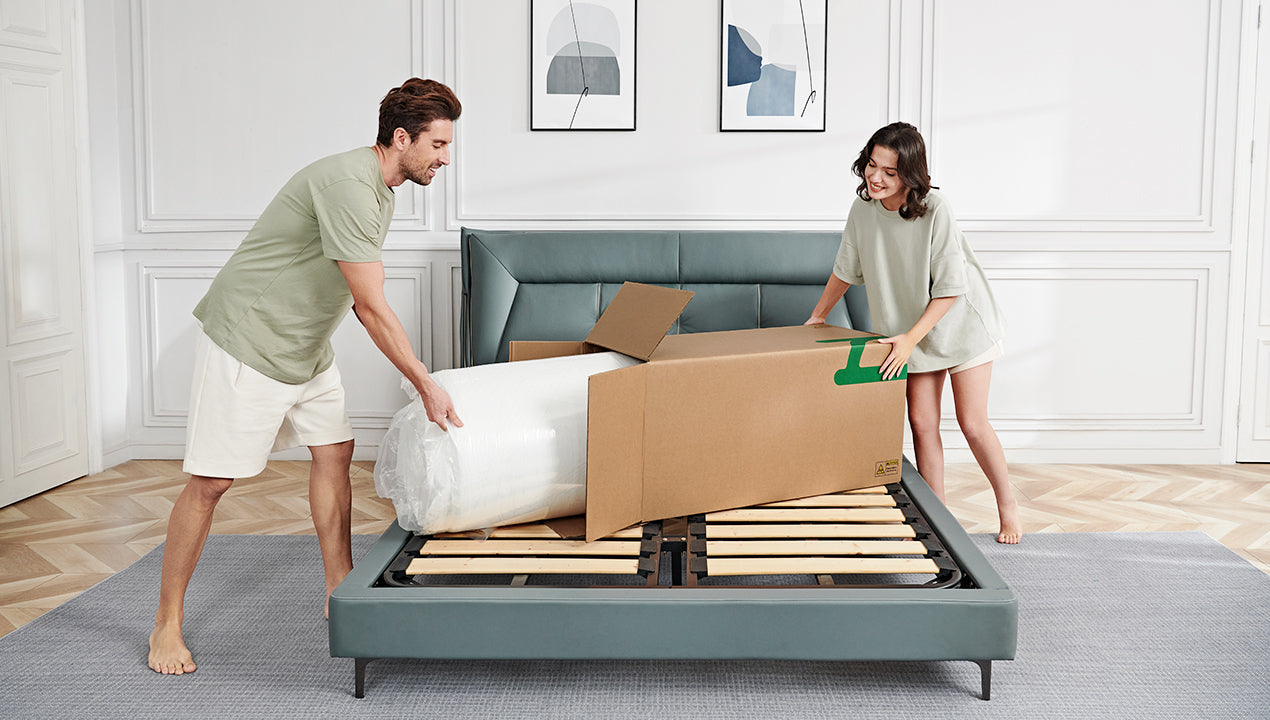
While a high-quality bed frame, dresser, or nightstand can last a lifetime with proper care, mattresses have a strict expiration date. Most sleep experts and manufacturers recommend replacing a mattress every seven to ten years to maintain spinal alignment and proper hygiene.
Key Factors That Accelerate Furniture Wear
Two identical pieces of home furniture can experience completely different lifespans depending on their environment and how they are used. Understanding these variables helps realistic expectations for how long your investments will last.
- Household Demographics: The presence of young children and pets significantly speeds up structural and cosmetic wear. Spills, scratches, and heavy impact reduce the operational lifespan of upholstered items.
- Material Composition: Solid hardwood frames joined with traditional wood joinery outlast pieces held together primarily with staples, glue, and low-grade particle board. Major home retailers like RC Willey emphasize selecting kiln-dried hardwoods for high-traffic living areas to combat premature frame warping.
- Frequency of Use: A primary living room sofa handles exponentially more weight cycles than a formal sitting room chair that only sees guests a few times a year.
- Environmental Exposure: Direct sunlight fades fabrics and dries out leather, causing it to crack prematurely. Similarly, high humidity can cause wood components to swell and warp.
Signs It is Time for a Replacement
It is easy to become accustomed to the gradual decline of an everyday item, but specific indicators signal that a piece has reached the end of its functional life.
1. Structural Instability
If a dining chair wobbles despite tightening the hardware, or if a bed frame sways when you move, the structural integrity is compromised. Loose joints pose a safety risk and cannot always be fixed with simple wood glue.
2. Loss of Physical Support
When you sit on a sofa and feel the wooden frame underneath, or if you wake up with lower back pain from a sagging mattress, the internal support system has collapsed. Sofas that leave a permanent indentation after you stand up are no longer providing ergonomic support.
3. Irreparable Surface Damage
While minor scratches add character to solid wood, deep cracks, severe veneer peeling, and extensive fabric tearing or fraying across main cushions often mean the cost of professional reupholstery or refinishing will surpass the price of buying new.
Repairing vs. Replacing: A Balanced Approach
Deciding whether to fix an item or replace it entirely involves weighing the item’s baseline quality against the logistical realities of restoration.
The Benefits of Replacing
Purchasing new furniture allows you to update your home’s style, take advantage of modern stain-resistant performance fabrics, and enjoy the pristine structural support of fresh manufacturing. It is often the most cost-effective path for mass-produced furniture.
The Limitations of Replacing
Disposing of large items carries an environmental footprint, and high-quality replacement pieces require a notable upfront financial investment. Furthermore, finding an exact match for an existing room layout or aesthetic can be time-consuming.
When to Repair Instead
If a piece possesses sentimental value, features an exceptionally sturdy antique solid-wood frame, or only requires a minor cosmetic fix (like new hardware or a superficial fabric patch), restoration is highly viable.
Frequently Asked Questions
Can you extend the life of upholstered furniture with professional cleaning?
Yes. Regular vacuuming removes abrasive dust and grit particles that cut through fabric fibers over time. Professional steam cleaning every 12 to 18 months removes deep-set oils that break down foam and fibers.
How do I know if my wooden furniture is worth refinishing?
If the item is made of solid wood, it can be sanded down and refinished multiple times. If it is constructed from low-grade particle board with a thin plastic or wood veneer overlay, the surface cannot withstand the sanding required for refinishing.
Does a higher price tag always mean a longer lifespan?
Not always, but there is a baseline correlation. Very inexpensive furniture often relies on cheaper materials like engineered wood composites and low-density foam. Higher-end options typically invest in kiln-dried hardwood frames and high-resiliency foam, which inherently hold up better to years of daily use.
