

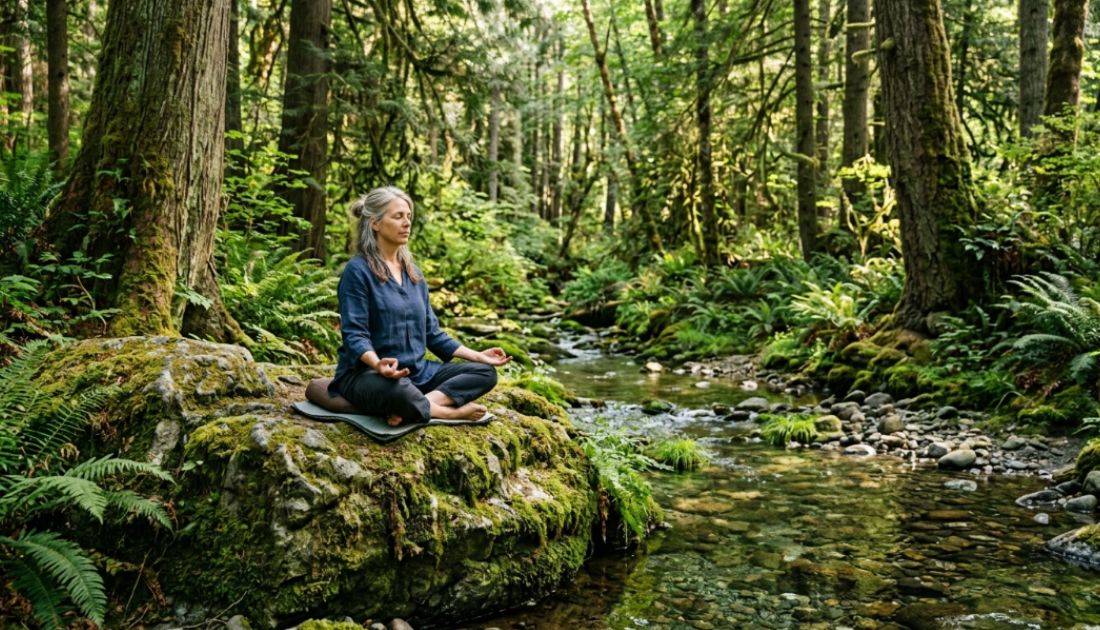
Embarking on the journey to overcome addiction is a profound challenge that requires holistic approaches for lasting success. Integrating the natural world into the recovery process can yield significant benefits that support mental, emotional, and physical well-being. For many, the tranquility of natural environments makes a noticeable difference in reducing stress and promoting a sense of inner calm. In places like the Recovery Ranch Rehab in Boulder, Colorado, the restorative qualities of nature are leveraged to foster resilience and create a foundation for long-term healing.
Engagement with green spaces can foster a renewed sense of purpose and enhance social connection, two factors that have been shown to support recovery. Early exposure to natural environments, whether through structured programs or simple daily routines, can break the cycle of isolation that often accompanies addiction. The calming effects of sunlight, fresh air, and a change of scenery work together to restore hope and balance, empowering individuals to rebuild their lives with greater confidence.
The Science Behind Nature and Recovery
Scientific evidence highlights the powerful link between natural environments and mental health. According to research published in Nature Reviews Neurology, spending time outdoors can elevate mood, improve attention, and reduce the likelihood of developing psychiatric conditions. The physiological response to nature includes a reduction in cortisol, the hormone associated with stress, and an increase in the release of endorphins, the body’s natural “feel-good” chemicals. Access to green spaces promotes mindfulness and improves cognitive function, both of which are essential for a successful recovery journey.
Programs specifically designed to integrate wilderness experiences into addiction treatment have gained credibility due to these scientific findings. For example, wilderness therapy combines evidence-based therapeutic interventions with the calming and restorative qualities of nature. This synergy can lead to better emotional regulation and a stronger, more resilient mindset among those in recovery. For more insights on nature’s restorative role, the Healthline overview on nature therapy offers a comprehensive look at these scientific benefits.
Benefits of Nature-Based Therapy
There are several key advantages to weaving nature-based therapy into addiction recovery. Among the most impactful are:
- Stress Reduction. Immersion in natural settings has been shown to lower physiological stress markers. Forests and parks provide a sanctuary from daily stressors, making it easier to unwind and reflect.
- Improved Mood. Exposure to sunlight helps regulate serotonin production, stabilizing mood and supporting emotional health. Experiences in nature can spark optimism, even on difficult days.
- Enhanced Focus and Mindfulness. Time outdoors has been linked to improved attention span and a deeper capacity for mindfulness, both crucial for building new, healthy habits.
- Physical Well-being. Activities such as hiking, gardening, or cycling support cardiovascular health, stamina, and overall fitness, all of which are foundational to sustainable recovery.
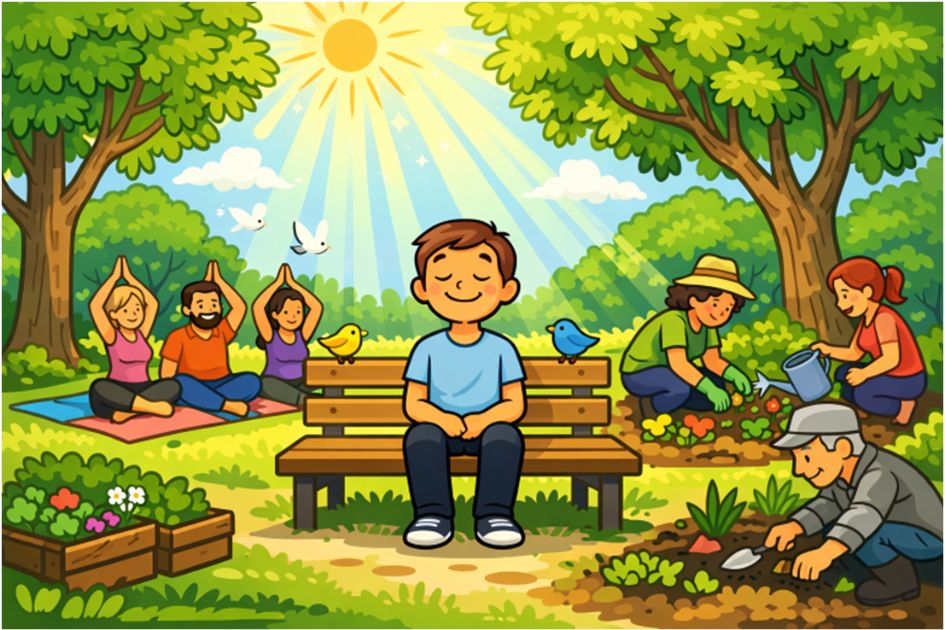
When individuals engage in nature-based therapy, they often report heightened self-awareness and a renewed sense of motivation. Group activities conducted outdoors further amplify benefits by encouraging communication and trust-building.
Practical Ways to Integrate Nature into Recovery
Incorporating nature into the recovery process does not require elaborate resources or remote locations. Here are some practical and accessible ways to experience nature’s healing influence:
- Daily Walks. Even brief walks through local parks or green spaces can quickly spark positive change. Consistency is key, and establishing a regular routine encourages accountability.
- Gardening. Tending to plants or starting a small vegetable garden provides a tactile connection to the earth. This activity promotes patience, care, and a sense of accomplishment.
- Outdoor Meditation. Practicing mindfulness or deep-breathing exercises in a natural setting can ground the mind and body. Close your eyes and focus on the sounds, scents, and textures around you for maximum benefit.
- Group Activities. Joining a hiking club, outdoor yoga group, or community clean-up fosters camaraderie and shared achievement. Social support is a proven tool for relapse prevention.
Volunteering for environmental projects or simply setting up meals outside can also help incorporate nature into the recovery schedule, reinforcing healthy routines and positive behaviors.
Real-Life Success Stories
Stories from around the country underscore the transformative potential of nature-based recovery. At a program in Kentucky, participants in addiction recovery work directly with thoroughbred horses as part of their rehabilitation process. Structured routines provide a sense of responsibility, boost self-esteem, and rekindle a feeling of hope. For more information, see CBS News coverage of healing at Kentucky’s Taylor Made Farm.
Elsewhere, individuals credit simple outdoor rituals, like morning walks, with helping them reconnect with themselves and their communities. As shared in Psychology Today, these gradual changes in environment and routine can be pivotal for long-term recovery and a renewed sense of self-worth.
Conclusion
Incorporating nature into addiction recovery provides a powerful path toward holistic healing and long-term wellness. Time spent outdoors encourages physical activity, reduces stress, and promotes emotional balance, helping individuals reconnect with themselves in healthy and meaningful ways. Natural environments can ease anxiety, improve mood, and support mindfulness, making recovery feel more manageable and less isolating. Group activities in green spaces also strengthen social connections and foster a sense of community and belonging. By building a deeper relationship with the natural world, individuals develop healthier coping strategies, greater resilience, and renewed motivation to continue their recovery journey successfully.
People Also Read: How to Navigate Frederick’s Evolving Real Estate Market in 2026

Welcome to Blessings There! I’m the creator and author behind this website. I love sharing useful insights, informative content, and knowledge that can add value to everyday life.