

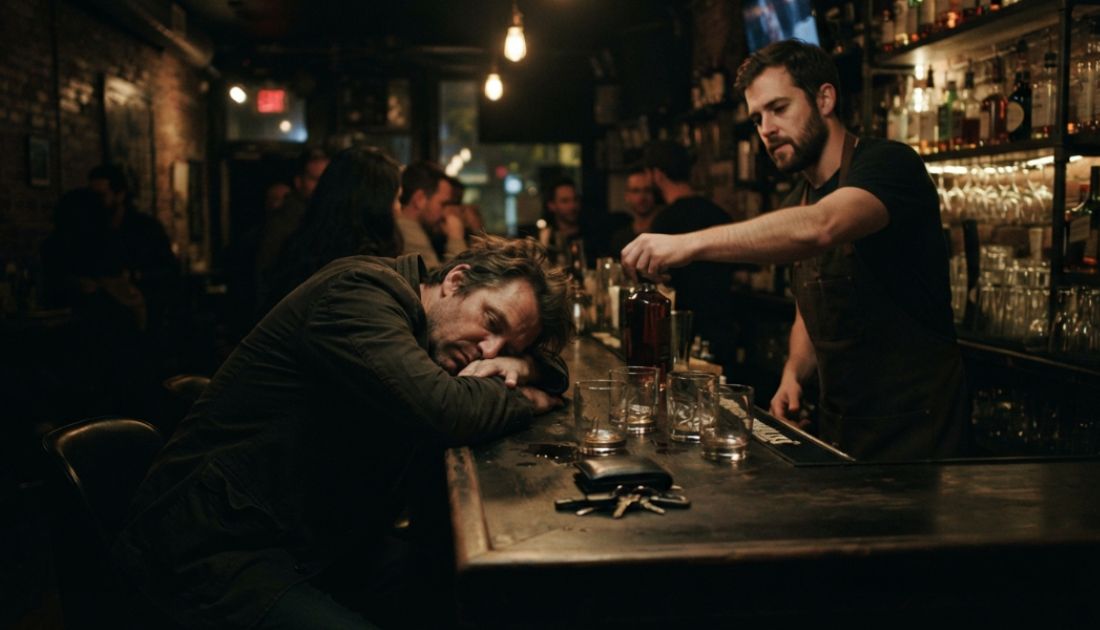
We have all seen it happen at a local watering hole. Someone has clearly had a few too many; their speech is slurred, they’re swaying at the bar, yet the bartender keeps sliding drinks their way. It is a dangerous situation that people often shrug off as just a wild night out. However, when that over-served patron gets behind the wheel or acts out violently, the consequences can be permanent and devastating. Many people do not realize that the bar itself can actually be held legally accountable for the tragic aftermath. If you have lost a loved one due to this exact scenario, seeking out wrongful death legal services can help your family navigate the complex process of holding every responsible party accountable. While the individual choices of the drinker matter, establishments have a strict legal and ethical duty to know when to cut someone off.
Understanding Dram Shop Laws
The legal framework that holds businesses accountable for over-serving alcohol is known as dram shop liability. The term sounds a bit old-fashioned because it dates back to a time when alcohol was measured and sold by a unit called a dram. Today, these laws exist in most states to protect the public from the clear dangers of commercial over-service.
Under these rules, a licensed establishment like a bar, restaurant, or nightclub can be sued if they serve alcohol to a patron who is visibly intoxicated and that patron goes on to cause injuries or death. The law views the establishment as a contributing factor to the tragedy. By continuing to pour drinks for a profit, the business actively increased the risk of a fatal accident.
What Does Visibly Intoxicated Actually Mean
To build a successful case against a bar, the biggest hurdle is proving that the guest was visibly intoxicated while they were still being served. This goes beyond a hunch or a guess. Courts look for specific physical signs that any trained bartender should easily recognize.
- Slurred speech: Difficulty forming words or talking at an inappropriate volume.
- Balance issues: Stumbling, swaying, bumping into furniture, or dropping items.
- Bloodshot eyes: Glassy, unfocused eyes and a heavy-lidded appearance.
- Behavioral changes: Becoming suddenly aggressive, overly loud, or excessively crude.
When a bartender ignores these blatant warning signs, they are no longer just hospitality workers. They are actively contributing to a dangerous situation. Investigators will often review receipts, security footage, and interview other patrons to prove that the staff saw these signs and chose to keep serving anyway.
Proximate Cause and the Chain of Events
Another critical piece of the puzzle is establishing a direct link between the over-service and the fatal event. In the legal world, this is referred to as proximate cause. The argument is not that the bar directly caused the death, but rather that the tragedy would not have happened if the bar had acted responsibly and cut the person off.
For example, it’s an issue if a bar serves a patron ten drinks in two hours and watches them stumble out to their car. When that patron hits a pedestrian five minutes later, the chain of events is clear. The bar put a lethal weapon in the hands of someone who was entirely incapable of operating it safely. The law recognizes that a heavily intoxicated person lacks the judgment to stop drinking or driving, which shifts a portion of the legal burden onto the sober professionals who facilitated the situation.
Why Holding Bars Accountable Matters
Filing a lawsuit against a business is not just about seeking financial compensation. It is about accountability and community safety. When a family loses someone because a business prioritizes profit over public safety, it leaves a deep scar.
Holding bars accountable forces the hospitality industry to take training seriously. It ensures that businesses do the following:
- Implement strict policies
- Monitor their staff
- Foster a culture where cutting someone off is standard practice.
When establishments know they can face massive financial ruin for over-serving, they are much more likely to step in and stop a tragedy before it starts.
Final Word
Losing a loved one to a preventable tragedy is a heartbreaking burden to carry, and trying to handle the legal system alone only adds to the pain. If a negligent establishment played a role in your loss, secure the right wrongful death legal services to fight for the justice your family deserves. While no amount of legal action can replace a life, holding a reckless bar accountable can provide closure and ensure that a similar tragedy does not happen to another family.
People Also Read: Best Practices for Storing THCa Flower to Maintain Freshness

Welcome to Blessings There! I’m the creator and author behind this website. I love sharing useful insights, informative content, and knowledge that can add value to everyday life.