

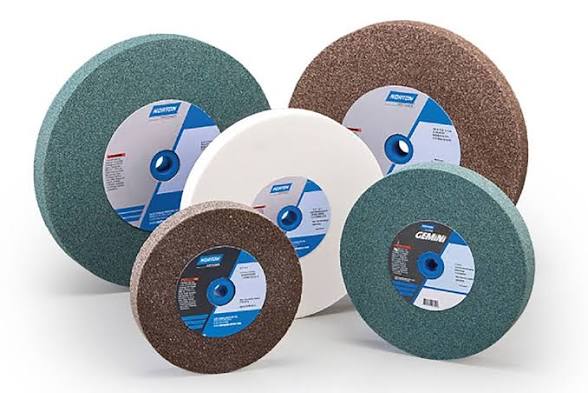
Whether you are involved in metal fabrication, automotive repair, or general manufacturing, the performance of your abrasive tools directly determines the quality of your final product. At the heart of many surface finishing and material removal operations lies an often underestimated component: the grinding wheel. Choosing the right one is not merely about picking the largest or cheapest option; it involves understanding grain type, bond structure, grit size, and the specific material you intend to shape. A well-selected wheel ensures faster cutting, reduced heat generation, and superior surface finish, while a poor choice can lead to inefficient work and even safety hazards.
How to Match a Grinding Wheel to Your Application
The first step in selecting an effective grinding wheel is identifying the material you will be working on. Hard materials like stainless steel or carbide require wheels with hard, sharp abrasive grains such as aluminum oxide or silicon carbide, while softer materials like aluminum or non-ferrous metals benefit from wheels that resist loading and glazing. Similarly, if you need aggressive stock removal, a coarse grit wheel with a soft bond is ideal; for fine finishing, opt for a fine grit with a harder bond. The wheel’s shape and size also matter — straight wheels are standard for surface grinding, while recessed or cup wheels suit angle grinding and tool sharpening. Always consider the maximum operating speed marked on the wheel; exceeding it can cause catastrophic failure.
Safety is another critical factor. A grinding wheel must be carefully inspected for cracks or damage before mounting, and proper flanges should always be used to ensure even clamping pressure. Using a wheel that is not rated for your machine’s RPM is a common yet dangerous mistake. Additionally, dressing the wheel regularly with a diamond tool keeps it sharp and true, preventing vibrations that compromise precision. When buying online, check for certifications from recognized bodies such as FEPA or OSA — these marks confirm that the product meets rigorous international standards for both performance and safety.
In today’s competitive industrial landscape, finding a reliable address for high-quality abrasives is essential, especially for manufacturers based in Türkiye. The local market offers numerous options, but not all suppliers deliver the consistency required for repeatable results. Whether you are purchasing for a large-scale factory or a small workshop, sourcing a grinding wheel from a manufacturer with decades of metallurgical expertise ensures you receive a product engineered for real-world conditions. This is where proven industry credentials make a difference.
Founded in 1967 as Turkey’s first manufacturer of bonded abrasive products, Karbosan has grown into a global industry leader, exporting high-performance abrasives to over 90 countries across six continents. Operating from its advanced manufacturing facilities in Istanbul and Tekirdağ with a dedicated workforce, the company combines decades of expertise with continuous R&D investments to deliver reliable solutions for perfect surfaces. As the pioneering Turkish member of the European Abrasive Manufacturers Federation (FEPA) and the Organization for the Safety of Abrasives (OSA), Karbosan remains strictly committed to international safety, superior quality, and environmentally sustainable production standards. For professionals seeking a trusted source of premium abrasives, Karbosan’s extensive grinding wheel portfolio offers the peace of mind that comes with time-tested engineering and global compliance.

Meet M Umair, Guest Post Expert and blessingsthere.com author weaving words for tech enthusiasts. Elevate your knowledge with insightful articles. self author on 1500+ sites.
Contact: Umairzulfiqarali5@gmail.com
Whatsapp: +923451718033