

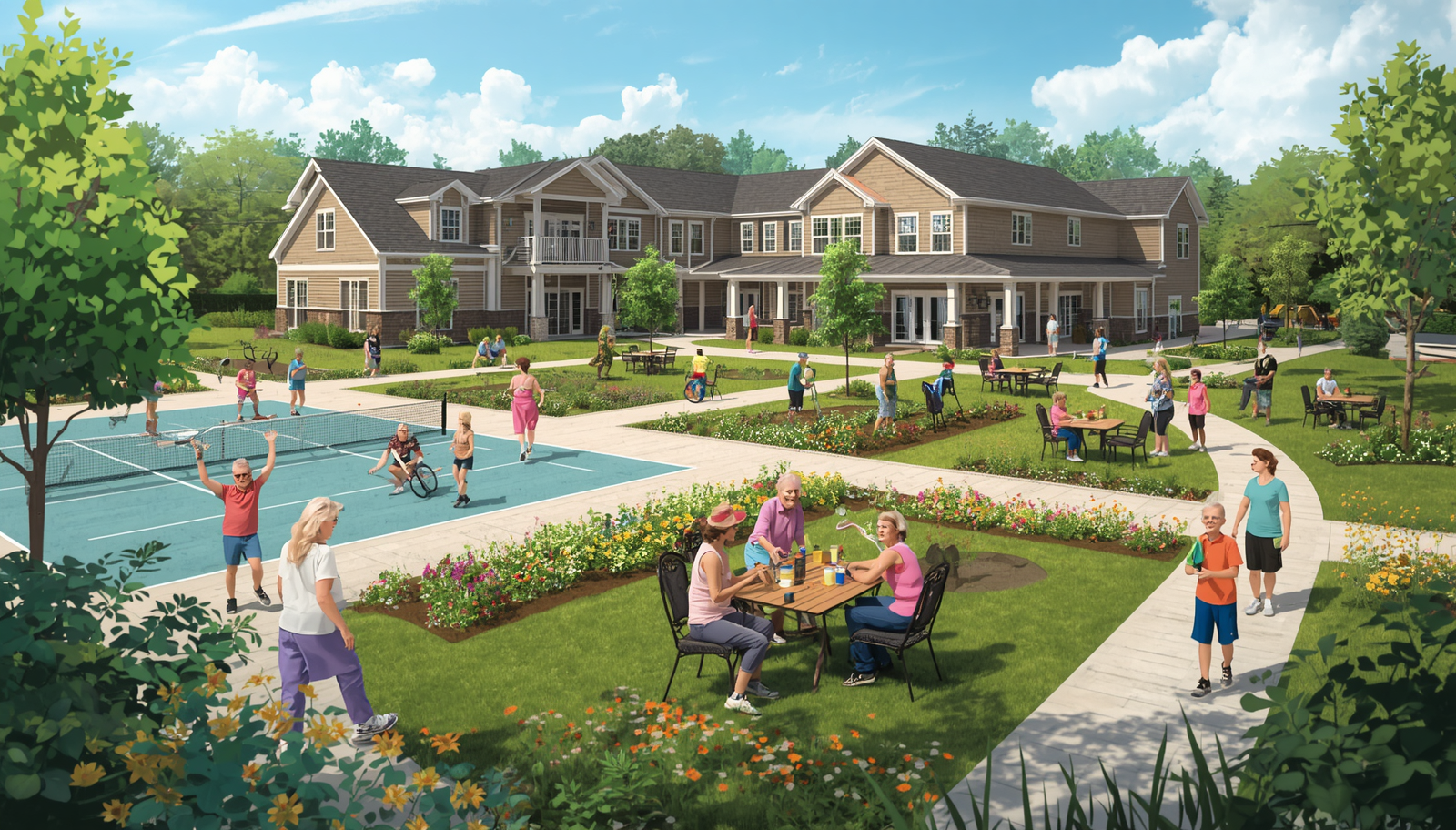
People who move into retirement villages early tend to be healthier, more social, and more satisfied with life than those who stay isolated in large family homes. That is not a marketing line. Research backs it up. Studies show social connection is one of the strongest predictors of longevity and mental health in older adults. Choosing the right retirement villages in Mornington Peninsula is about more than shelter. It is a genuine lifestyle decision.
Why Do People Actually Choose Retirement Villages?
The number one reason is not health. It is lifestyle. In a 2022 Australian Retirement Village Resident Survey by McCrindle, 68% of residents said improved social connection was a key benefit. Another 62% said lower maintenance stress was a major factor. People want to downsize the hassle, not the quality of life.
Mornington Peninsula specifically attracts a demographic that is active, health-focused, and community-minded. The region offers coastal walking trails, golf courses, wineries, and a strong arts scene. The best villages tap into that. They are not isolated bubbles. They are connected to the broader lifestyle of the area.
What Makes a Village Truly Community-Oriented?
It comes down to programming and design. Villages that only offer bingo twice a week are not community-oriented. Real communities have regular group fitness, hobby workshops, visiting speakers, community gardens, and resident-led committees. Design matters too. Homes that face communal spaces rather than walls and fences naturally create interaction.
The Mornington Peninsula region has villages that take this seriously. Look for a social calendar that reflects real diversity of interests, not a one-size-fits-all activities program. Ask what proportion of residents participate in group activities. Above 50% is a good benchmark.
What Are the Health Benefits of Village Living?
Loneliness is classified as a health risk equivalent to smoking 15 cigarettes a day, according to research by Brigham Young University. Retirement villages directly address this. When you live around peers in a similar life stage, casual daily contact becomes routine. You bump into neighbours. You share meals. You look out for each other.
Physical health improves too. Most modern villages include on-site wellness facilities, walking paths designed for daily use, and regular fitness programming. A 2021 study in the Journal of Aging and Health found that retirement community residents were 34% more likely to meet physical activity guidelines compared to age-matched peers living in conventional housing.
How Does Location Affect the Value of Village Life?
Location is not just about real estate value. It determines whether village life actually works for your lifestyle. A village that is 30 minutes from the nearest GP or grocery store is a problem. A village embedded in a town with walkable amenities, public transport access, and proximity to family is a completely different proposition.
Mornington Peninsula villages are well-placed. The region has strong healthcare infrastructure, excellent road connections to Melbourne, and a genuine sense of place. Coastal living adds a dimension that inland suburban villages simply cannot match. Air quality, access to nature, and the psychological lift of proximity to the ocean are real and well-documented benefits.
What Should You Look For During a Village Inspection?
Talk to actual residents, not just the sales team. Ask how long they have lived there, what surprised them, and what they would change. Walk the common areas at different times of day. See whether they are actually used. Check the maintenance standard of the paths, gardens, and shared facilities. Deferred maintenance is a warning sign.
Ask specifically about the Residents’ Committee. How often does it meet? Does management genuinely respond to feedback? Operators who take resident governance seriously create fundamentally better communities than those who treat feedback as a compliance obligation.
