

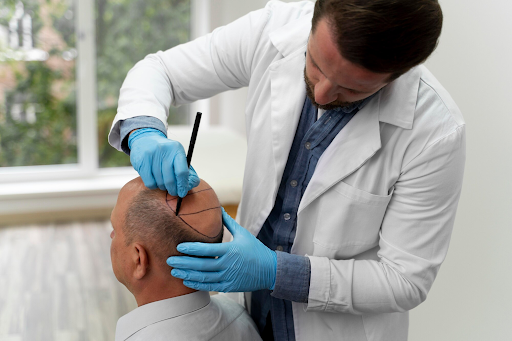
Preparing for hair transplant surgery in Melbourne involves a series of lifestyle and medical adjustments to ensure the best environment for your new grafts to take hold. Because the procedure involves local anaesthesia and precise surgical work, your physical condition in the weeks leading up to the session is vital for a smooth recovery and successful growth.
If you are also researching hair loss treatment in Sydney, you will find that many non-surgical options, such as PRP (Platelet-Rich Plasma), follow similar preparation themes regarding scalp health and nutrition.
Medical and Supplement Review
At least two weeks before your surgery, you must conduct a thorough review of your medications. Certain substances can increase bleeding, which complicates the procedure and affects the healing process.
- Blood Thinners: Avoid anti-inflammatory medications like aspirin, ibuprofen, and naproxen for 7 to 10 days before your session.
- Supplements: Stop taking fish oils, Vitamin E, garlic supplements, ginkgo biloba, and ginseng, as these are known to thin the blood.
- Hair Loss Medications: If you use topical hair loss treatment in Sydney or Melbourne, such as minoxidil, you will typically be asked to stop applying it 2 to 3 days before surgery to reduce scalp irritation. Oral medications are usually safe to continue, but always confirm this with your surgeon.
Lifestyle Adjustments
To maximise graft survival, your body needs optimal blood flow and oxygen levels.
- Eliminate Nicotine: Nicotine constricts blood vessels, which can starve the newly transplanted follicles of the nutrients they need to survive. It is highly recommended to stop smoking, vaping, or using nicotine patches for at least two weeks before and after the surgery.
- Avoid Alcohol: Stop consuming alcohol for at least one week before your procedure. Alcohol thins the blood and can lead to increased bruising and swelling.
- Caffeine: On the day before and the morning of your surgery, avoid caffeine. It can increase your blood pressure and may lead to increased bleeding during the extraction phase.
Scalp Hygiene and Preparation
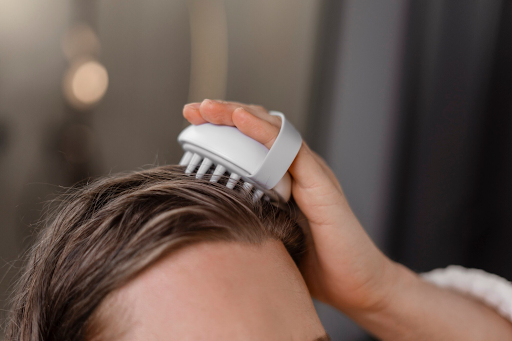
Maintaining a clean scalp environment is essential to prevent infection.
- Washing: Thoroughly wash your hair with a mild, non-irritating shampoo the night before and the morning of your surgery. Do not apply any styling products, gels, or sprays.
- Hair Length: While many clinics in Melbourne handle the donor area shaving on the day, some suggest keeping your hair at a certain length to help hide the donor site post-surgery. Follow your clinic’s specific instructions regarding whether you should trim your hair beforehand.
- Scalp Massage: For some techniques, such as strip transplants, your surgeon might suggest daily scalp exercises or massages in the weeks leading up to the session to improve skin flexibility.
Logistics for the Day of Surgery
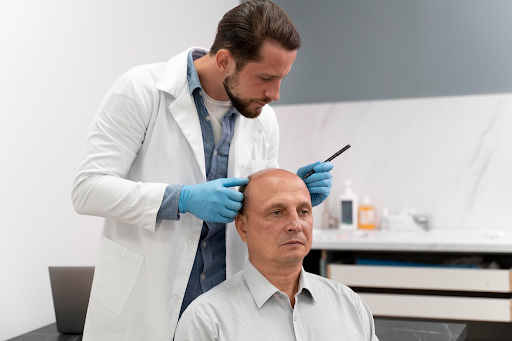
Because you will likely receive local anaesthesia and mild sedation, you must plan your logistics in advance.
- Transportation: You will be unable to drive yourself home. Arrange for a dedicated driver or a car service to collect you after the procedure.
- Clothing: Wear a loose-fitting, button-up or zip-up shirt. Do not wear a t-shirt or anything that must be pulled over your head, as this poses a high risk of dislodging the fragile grafts when you change later.
- Nutrition: Eat a substantial breakfast on the morning of your surgery, but avoid excessive fluids right before you arrive.
Setting Up Your Recovery Space
A quality hair transplant surgery in Melbourne is an investment, and the first 48 hours are the most critical.
- Sleeping Position: Set up your bed with several soft pillows or a travel neck pillow. You will need to sleep in a semi-upright or elevated position for the first 3 to 5 nights to minimise facial swelling.
- Supplies: Have your saline spray (provided by the clinic) and any prescribed pain relief ready. Keeping the recipient area hydrated as directed is essential for the healing process.
- Rest: Clear your calendar for at least 5 to 7 days. Avoiding stress and physical exertion during this time allows your body to focus entirely on integrating the new hair follicles.
By following these preparation steps, you ensure that your scalp is in the best possible condition for your hair transplant surgery in Melbourne. Whether you choose surgical restoration or a non-invasive hair loss treatment in Sydney, a healthy foundation is the key to long-term success.
