

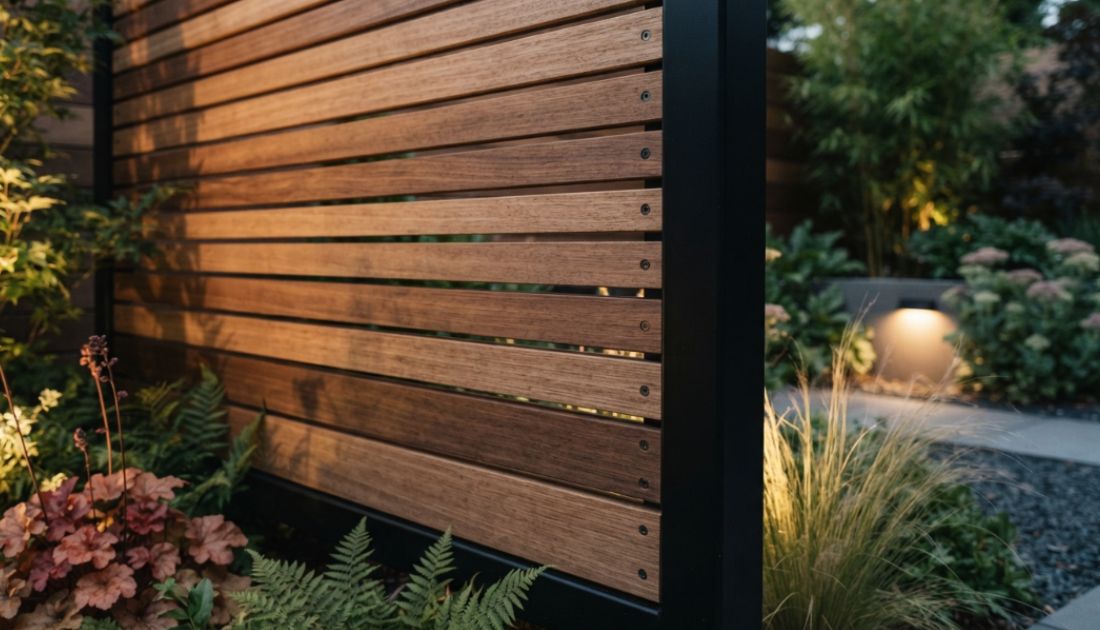
Installing a fence is a major investment that not only defines your property’s perimeter but also shapes its aesthetics, privacy, and security. Given the array of available styles and materials, browsing options can feel overwhelming. Whether you are seeking increased security, added curb appeal, or more privacy, carefully considering your goals is essential. If you are interested in higher privacy and a modern look, you may want to consider an aluminum privacy fence in White Oak, MD for both durability and style.
Each property and homeowner has different needs, so the best fence for you will depend on your preferences, location, and budget. In this guide, you will discover how to match your objectives with the best materials and styles while ensuring compliance with local regulations. Assessing your needs up front will save you time and help you make a confident investment.
Determine the Purpose of Your Fence
Start the decision-making process by considering why you want a fence in the first place. Common motivations include:
- Privacy: Solid fences, such as wood or vinyl, are highly effective at shielding your home from prying eyes.
- Security: If deterring trespassers is a priority, choose sturdy materials like steel or reinforced aluminum.
- Pet Containment: Homeowners with dogs or small children should look for fence designs that prevent climbing or squeezing through slats.
- Aesthetics: For many, a fence is a finishing touch that enhances the property’s exterior design. Wrought iron and other decorative styles deliver both curb appeal and function.
Explore Material Options
The right fencing material can provide decades of service with minimal headaches. Your location, climate, and maintenance preferences should be top considerations when comparing:
- Wood: Offers classic charm and versatility but needs periodic staining or painting to prevent rot and weathering.
- Vinyl: This modern option is long-lasting and requires little upkeep, though the upfront cost is usually higher than wood.
- Aluminum: Lightweight, rust-resistant, and suitable for both decorative and privacy purposes. It is especially appealing for those prioritizing maintenance-free solutions.
- Chain Link: Provides a practical, budget-friendly solution for security or pet containment, but does not offer privacy.
Consider Fence Styles
Once you have narrowed down the material, it is time to examine available styles and how they blend with your landscape and home. Popular fence styles include:
- Picket Fences: A timeless and charming choice often paired with front yard gardens and traditional homes.
- Privacy Fences: These are typically tall and solid, preventing neighbors from seeing into your backyard.
- Ornamental Fences: Constructed from metal or wrought iron, these designs feature decorative elements that boost curb appeal and elegance.
Check Local Regulations
Before purchasing any materials or breaking ground, contact your local zoning office or homeowners association. Municipal codes frequently set limits on fence height, placement, and appearance. Life in a planned community may include its own rules, sometimes requiring permits or specific material use. Checking these rules early can help you avoid costly changes or removal in the future.
Set a Budget
Your budget will largely determine what style, material, and installation method you can reasonably pursue. Wood fencing remains a popular midrange option and typically costs between $14 and $26 per linear foot, depending on species and finish. Opting for vinyl or metal can increase initial costs, with vinyl generally priced around $28 to $44 per linear foot. Also, factor in long-term maintenance such as painting or repairs, which can add to the total cost of ownership over time.
Decide on Professional Installation vs. DIY
If you are skilled at home improvement tasks, a do-it-yourself installation could mean substantial savings. However, professional installers have experience with local codes, underground utilities, and proper technique, reducing the risk of costly mistakes. Larger or more complex projects almost always benefit from professional oversight, while small, straightforward fences may be manageable as a weekend project.
Plan for Maintenance
Proper upkeep extends the life and beauty of your fence:
- Wood: Inspect and reseal or repaint every few years to prevent decay.
- Vinyl: Consistent cleaning with mild soap and water keeps it looking new.
- Metal: Check often for rust or loose hardware, particularly in humid or salty climates.
Committing to regular inspections and timely repairs is essential regardless of the material chosen.
Conclusion
Choosing the right fence is about setting clear priorities and understanding your property’s unique needs. Consider all factors, from aesthetics to budget and maintenance, to select a fence that secures, beautifies, and elevates your home for years to come. Doing the research now will pay dividends in satisfaction and value as you enjoy your improved space.
People Also Read: Scarlett Johansson Net Worth in 2026: Career Earnings, Marvel Salary, Business Ventures & Wealth Breakdown

Welcome to Blessings There! I’m the creator and author behind this website. I love sharing useful insights, informative content, and knowledge that can add value to everyday life.