

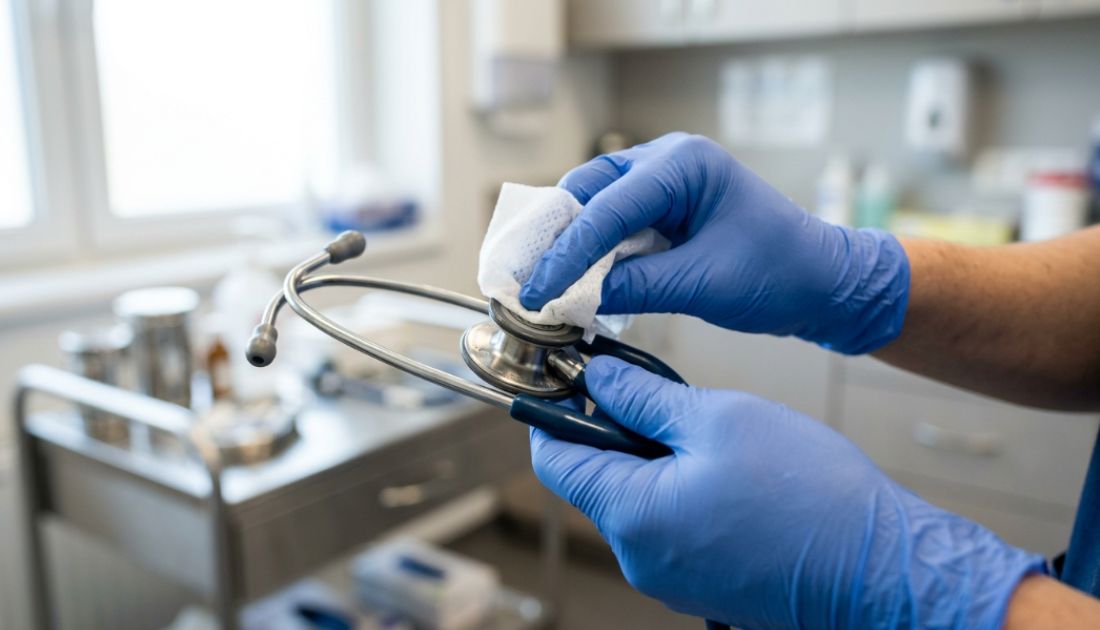
Maintaining a pristine environment in medical offices is not just about aesthetics; it’s a critical component of patient safety and regulatory adherence. With patients and healthcare professionals coming and going throughout the day, medical offices face unique sanitation challenges that require specialized cleaning protocols. Reliable hospital janitorial services can make a difference, both by creating a positive impression and by safeguarding health outcomes.
Unlike general workplaces, medical offices must address the needs of vulnerable populations, where infection risks are higher, and the consequences of lapses are far more serious. Every aspect, from surface cleanliness to proper handling of medical waste, plays a role in protecting both patients and healthcare staff.
Understanding the Unique Sanitation Needs of Medical Offices
Medical environments differ significantly from standard office settings due to the constant flow of sick and well patients, staff, and visitors, which increases the risk of cross-contamination. Factors such as bodily fluids, the requirement for sterile instruments, and frequent movements heighten infection risks, rendering regular commercial cleaning ineffective. The CDC mandates that healthcare facilities perform daily disinfection, focusing on high-risk areas such as exam rooms and restrooms. Custodial staff must be specially trained in cleaning techniques, regulatory compliance, proper disposal of sharps, laundry handling, and bloodborne pathogen protocols. Inadequate cleaning can endanger immunocompromised patients and lead to compliance violations, underscoring the need for a proactive approach to infection prevention in medical offices.
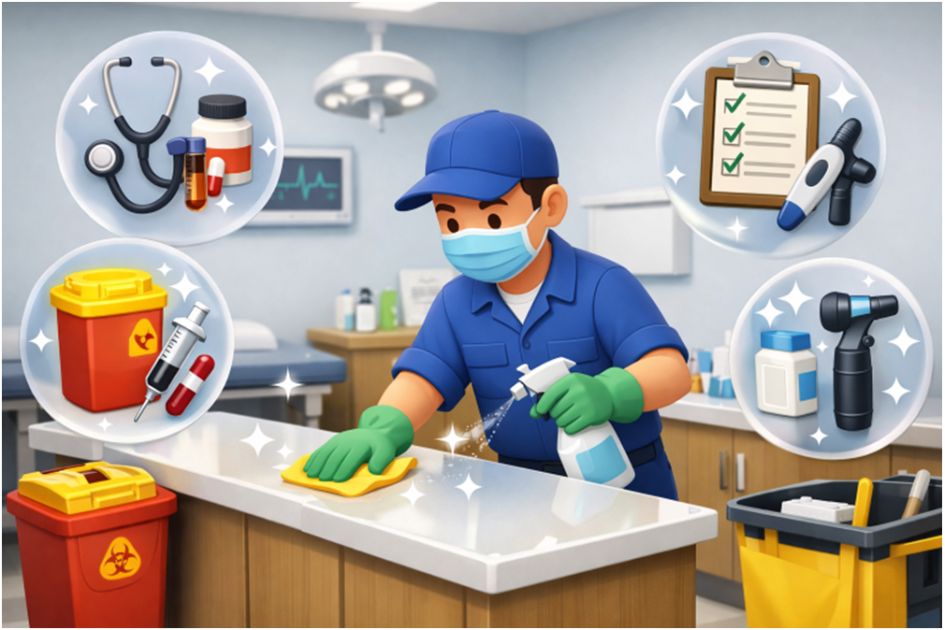
High-Touch Surfaces: Breeding Grounds for Pathogens
Door handles, light switches, countertop surfaces, and medical equipment that are frequently used by staff and patients can harbor bacteria and viruses, posing a transmission risk if not properly maintained. The CDC emphasizes the need to clean and disinfect these high-contact surfaces multiple times a day rather than just at closing. Additionally, areas such as waiting rooms, check-in counters, and restroom fixtures, which are accessed by numerous individuals, must also be prioritized in cleaning regimens. Investing in professional janitorial services is crucial for effectively addressing pathogens, ensuring cleanliness beyond what is visible, and safeguarding the practice’s health.
Compliance with Health Regulations
Medical offices are subject to strict regulations from organizations such as the Occupational Safety and Health Administration (OSHA) and the CDC, as well as state and local authorities. These rules dictate when and how each space must be cleaned, which disinfectants are permitted, the use of personal protective equipment by cleaning staff, and the documentation of processes to demonstrate compliance.
Non-compliance does not just put patients and staff at risk, it can also result in fines, lawsuits, or even the closure of a facility. All cleaning products must be approved for use in healthcare environments and effective against a broad spectrum of pathogens, including those responsible for common healthcare-associated infections.
Common Cleaning Mistakes in Medical Offices
Even with guidelines in place, some medical offices fall short in executing proper cleaning practices. Among the most typical mistakes are:
- Using general-purpose household cleaners rather than medical-grade disinfectants designed to eliminate dangerous bacteria and viruses.
- Failing to keep to a fixed cleaning schedule results in periods where high-risk areas are not disinfected frequently enough.
- Overlooking common areas such as waiting rooms, administrative offices, and staff restrooms, which can harbor pathogens just as easily as patient treatment spaces.
Consistency, attention to detail, and the right products are essential to closing these gaps and ensuring the ongoing safety of the office environment.
Implementing Effective Cleaning Protocols
A comprehensive sanitation strategy is built on three core pillars: planning, proper material use, and thorough staff training. The cleaning plan should specify which areas need attention, who is responsible, and how often cleaning must be completed. Medical offices should use EPA-approved disinfectants that have been tested for effectiveness against a wide range of pathogens, including emerging threats such as COVID-19.
- Develop a Comprehensive Cleaning Plan: Document timing, locations, staff assignments, and record-keeping methods for accountability.
- Use Appropriate Disinfectants: Only products proven effective in medical settings, including wipes and sprays that address both bacteria and viruses, should be used routinely.
- Regular Training: Both custodial staff and medical professionals should receive up-to-date training that addresses new regulations, technologies, and the proper response to infection outbreaks.
Continual education and process improvement are essential to foster a culture of safety and prevent cleaning fatigue that can lead to mistakes.
The Role of Professional Cleaning Services
Given the complexities and high stakes, many medical practices turn to professional cleaning providers with healthcare experience. These experts come equipped not just with specialized products but also a deep understanding of compliance requirements and emerging sanitation challenges. Outsourcing enables medical professionals to focus on care while ensuring their facility meets or exceeds industry standards for cleanliness.
When selecting a cleaning partner, medical offices should look for companies with proven healthcare expertise, robust training programs, and a documented history of regulatory compliance.
Conclusion
The challenge of maintaining proper sanitation in medical offices cannot be underestimated. It requires specialized protocols, continual staff education, regulatory vigilance, and dedication to patient welfare. By recognizing and addressing the unique needs of their environment and by implementing thorough cleaning processes, medical offices create safer, more welcoming spaces for both patients and healthcare providers.
People Also Read: Age-Specific Basketball Training Approaches: Building Skills for Every Stage

Welcome to Blessings There! I’m the creator and author behind this website. I love sharing useful insights, informative content, and knowledge that can add value to everyday life.