

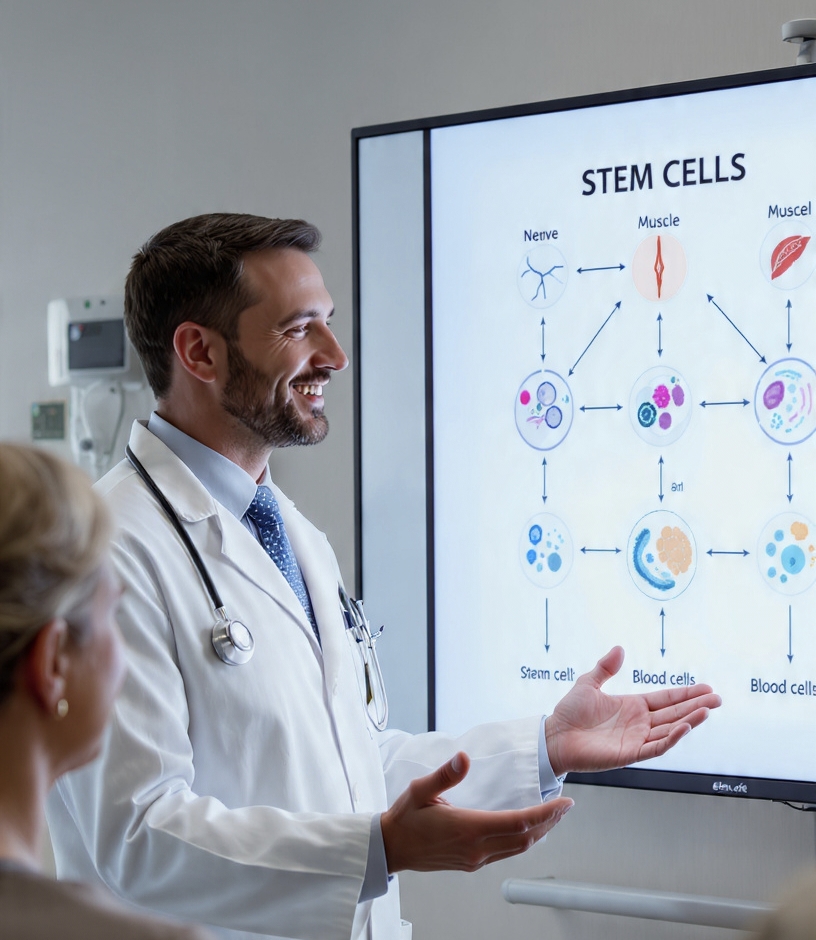
Stem cell therapy is changing modern healthcare. Many people now look at this treatment with hope, especially those dealing with long-term pain, injuries, or chronic health problems. Hospitals around the world are studying how stem cells may help the body repair itself naturally. One trusted name in this field is Liv Hospital, known for advanced medical care and innovative treatments.
In this guide, you’ll learn about Stem Cell Treatment and Procedures in simple and easy English. We’ll explain how stem cells work, what happens during treatment, who may benefit, recovery time, risks, and frequently asked questions.
What Are Stem Cells?
Stem cells are special cells inside the body. They can grow into different types of cells. They also help repair damaged tissues.
Think of them as the body’s “repair team.” When tissues get damaged because of injury, aging, or disease, stem cells may help support healing.
Doctors use stem cells in different medical fields, such as:
- Orthopedic care
- Neurology
- Cosmetic treatments
- Sports medicine
- Autoimmune conditions
Many healthcare centers, including Liv Hospital, continue to study and improve these therapies.
What Is Stem Cell Treatment?
Stem cell treatment is a medical procedure where doctors collect stem cells and place them into the body to help repair damaged tissues.
The goal is simple:
- Reduce pain
- Improve movement
- Support healing
- Slow down tissue damage
Some people choose stem cell therapy because they want an option before surgery. Others use it to support recovery after injuries.
Types of Stem Cells Used in Treatment
Doctors use different types of stem cells depending on the condition.
1. Adult Stem Cells
These come from the patient’s own body. Doctors often collect them from:
- Bone marrow
- Fat tissue
- Blood
This method is common because the body usually accepts its own cells easily.
2. Umbilical Cord Stem Cells
These come from donated umbilical cords after healthy births. They are carefully tested before medical use.
3. Embryonic Stem Cells
These are mainly used in research. They are not common in regular treatment programs.
Conditions Treated With Stem Cell Therapy
Stem cell therapy is still growing. Some treatments are approved, while others are under research. Doctors may recommend it for:
Joint and Bone Problems
- Knee pain
- Arthritis
- Back pain
- Shoulder injuries
Sports Injuries
Athletes sometimes use stem cell therapy to recover from:
- Torn ligaments
- Tendon injuries
- Muscle damage
Neurological Conditions
Research continues for conditions like:
- Parkinson’s disease
- Multiple sclerosis
- Spinal cord injuries
Autoimmune Diseases
Some clinics study stem cell therapy for:
- Lupus
- Rheumatoid arthritis
- Crohn’s disease
Cosmetic and Skin Treatments
Stem cells may also support:
- Hair restoration
- Skin rejuvenation
- Anti-aging procedures
How Stem Cell Treatment Works
Many people feel nervous before treatment. That’s normal. The good news is that the procedure is usually simple and minimally invasive.
Here’s how the process often works.
Step 1: Medical Consultation
The doctor first reviews your condition.
This may include:
- Physical examination
- MRI or X-rays
- Blood tests
- Medical history review
The medical team checks if stem cell therapy is suitable for you.
Hospitals like Liv Hospital often create personalized treatment plans for each patient.
Step 2: Stem Cell Collection
Doctors collect stem cells from the body.
The two most common methods are:
Bone Marrow Collection
Doctors usually collect bone marrow from the hip area using a needle.
Fat Tissue Collection
Doctors remove a small amount of fat through a minor procedure called liposuction.
Don’t worry — patients usually receive local anesthesia, so discomfort stays low.
Step 3: Stem Cell Processing
The collected sample goes into a laboratory machine.
This machine separates and concentrates the stem cells.
The process usually takes a few hours.
Step 4: Injection or Placement
Doctors inject the stem cells into the damaged area.
For example:
- Into the knee joint
- Into the spine
- Into injured muscles or tendons
Doctors may use ultrasound or imaging guidance for accuracy.
Step 5: Recovery and Follow-Up
Most patients go home the same day.
Doctors may suggest:
- Rest for a few days
- Light movement
- Physical therapy
- Follow-up visits
Healing takes time. Some people notice changes within weeks. Others may need several months.
Patience matters here. Your body is doing repair work behind the scenes.
Benefits of Stem Cell Treatment
Many patients choose stem cell therapy because it may offer several benefits.
Less Pain
Some patients report reduced pain after treatment.
Better Movement
Joint stiffness may improve over time.
Minimally Invasive
Most procedures do not require major surgery.
Faster Recovery
Recovery time is often shorter than traditional surgery.
Personalized Treatment
Doctors may use the patient’s own cells.
That sounds pretty amazing, right? Your body helping itself heal is a fascinating idea.
Risks and Side Effects
No medical treatment is perfect. Stem cell therapy also has risks.
Possible side effects include:
- Mild swelling
- Temporary pain
- Bruising
- Infection
- Rare allergic reactions
Results also vary from person to person.
That’s why choosing an experienced medical center is important. Trusted hospitals like Liv Hospital follow strict medical safety standards.
Who Is a Good Candidate?
Stem cell treatment may help people who:
- Have chronic pain
- Want to avoid surgery
- Have sports injuries
- Need support for tissue healing
However, not everyone qualifies.
Doctors may avoid treatment if the patient has:
- Severe infections
- Certain cancers
- Blood disorders
- Serious medical complications
A proper medical evaluation is always necessary.
Recovery After Stem Cell Treatment
Recovery is usually easier than traditional surgery.
Still, patients should follow medical advice carefully.
Helpful Recovery Tips
- Drink plenty of water
- Avoid smoking
- Eat healthy foods
- Rest properly
- Avoid heavy exercise at first
Many people return to daily activities within a few days.
However, full healing may take several weeks or months.
Yes, the body likes to work on its own schedule sometimes.
Stem Cell Therapy vs Traditional Surgery
Here’s a simple comparison.
| Stem Cell Therapy | Traditional Surgery |
| Minimally invasive | Major procedure |
| Shorter recovery | Longer recovery |
| Lower discomfort | More pain after surgery |
| Uses healing cells | Removes or repairs tissue |
| Same-day discharge possible | Hospital stay may be needed |
Stem cell therapy may not replace surgery in every case. Still, it can be a helpful option for some patients.
Why Patients Choose Liv Hospital
Many international patients trust Liv Hospital for advanced healthcare services.
Patients often choose the hospital because of:
- Experienced specialists
- Modern technology
- Personalized treatment plans
- International patient support
- Advanced regenerative medicine programs
A skilled medical team can make the treatment journey safer and smoother.
The Future of Stem Cell Treatment
Researchers continue to study stem cell therapy every year.
Experts hope future treatments may help with:
- Organ repair
- Heart disease
- Diabetes
- Nerve damage
Science still has many questions to answer. But progress continues at a fast pace.
The future of regenerative medicine looks exciting.
Conclusion
Stem Cell Treatment and Procedures offer new hope for many patients around the world. This therapy aims to support natural healing, reduce pain, and improve quality of life. While research continues, many people already use stem cell therapy for joint pain, sports injuries, and other health conditions.
The procedure is usually simple, minimally invasive, and involves shorter recovery time compared to major surgery. Still, proper medical guidance is very important.
Trusted healthcare providers like Liv Hospital continue to play a major role in advanced regenerative medicine and patient care.
If you’re thinking about stem cell therapy, always speak with a qualified doctor first. The right advice can help you make a safe and informed decision.
FAQs About Stem Cell Treatment and Procedures
Is stem cell treatment painful?
Most patients feel only mild discomfort. Doctors usually use anesthesia during the procedure.
How long does stem cell treatment take?
The full process often takes a few hours. Many patients return home the same day.
Is stem cell therapy safe?
Stem cell therapy is generally considered safe when performed by trained specialists. However, every medical procedure has risks.
How long does recovery take?
Some patients recover within days, while full healing may take weeks or months.
Can stem cell therapy replace surgery?
In some cases, yes. In others, surgery may still be necessary. It depends on the condition and damage level.
Are the results permanent?
Results vary from person to person. Some patients experience long-term improvement, while others may need additional treatment.
Who should avoid stem cell treatment?
People with certain cancers, infections, or serious blood disorders may not qualify. A doctor must evaluate each patient carefully.
Why is Liv Hospital popular for stem cell treatment?
Liv Hospital is known for advanced medical technology, experienced doctors, and personalized patient care in regenerative medicine.
