

Grief is one of the most difficult emotional experiences people face in life. The loss of a loved one can create deep sadness, confusion, and emotional pain that may last for months or even years. During these challenging times, compassionate support services become essential for helping families cope with loss and begin the healing process. solace.sg services provide emotional guidance, counseling, and practical assistance to individuals and families dealing with grief. Combined with a respectful Buddhist funeral service, these support systems help create a peaceful and meaningful farewell for the deceased while offering comfort to surviving family members.
Bereavement support is an important part of emotional healing because grief affects every individual differently. Some people experience overwhelming sadness immediately after a loss, while others may feel numb, anxious, or emotionally disconnected. Solace Bereavement programs are designed to provide a safe environment where individuals can express emotions openly and receive guidance from trained counselors, spiritual advisors, or support groups.
The purpose of bereavement care is not to remove grief entirely but to help individuals process emotions in healthy ways. Emotional support can reduce feelings of isolation and encourage people to move forward while honoring the memory of their loved ones. Many grief support services also provide practical advice regarding funeral arrangements, memorial planning, and coping strategies for daily life after loss.
A Buddhist funeral service is often centered on peace, mindfulness, compassion, and respect for the cycle of life and death. Buddhism teaches that death is a natural transition rather than an ending. Funeral ceremonies are intended to guide the spirit toward a peaceful rebirth while helping family members reflect on impermanence, gratitude, and spiritual understanding.
Traditional Buddhist funeral services vary depending on cultural background, regional customs, and specific Buddhist traditions. However, many ceremonies include chanting, meditation, incense offerings, prayers, and the recitation of sacred scriptures. Monks or spiritual leaders may guide the ceremony and offer teachings that encourage acceptance and emotional healing.
One of the most meaningful aspects of a Buddhist funeral service is the emphasis on mindfulness and compassion. Rather than focusing solely on sorrow, the ceremony often highlights the importance of honoring the life of the deceased through peaceful reflection and acts of kindness. Family members and guests may participate in meditation or prayer sessions designed to create calmness and spiritual support.
Solace Bereavement services often work alongside funeral providers to help families navigate both emotional and practical responsibilities during difficult times. Coordinating a funeral while grieving can feel overwhelming, especially when family members must make important decisions under emotional stress. Bereavement professionals can assist with planning, communication, and emotional counseling before and after the funeral service.
Modern bereavement support may include one-on-one counseling, family therapy sessions, grief workshops, and community support groups. Many organizations also provide online resources and virtual counseling for people who cannot attend in-person meetings. Access to compassionate support can make a significant difference in how individuals cope with long-term grief.
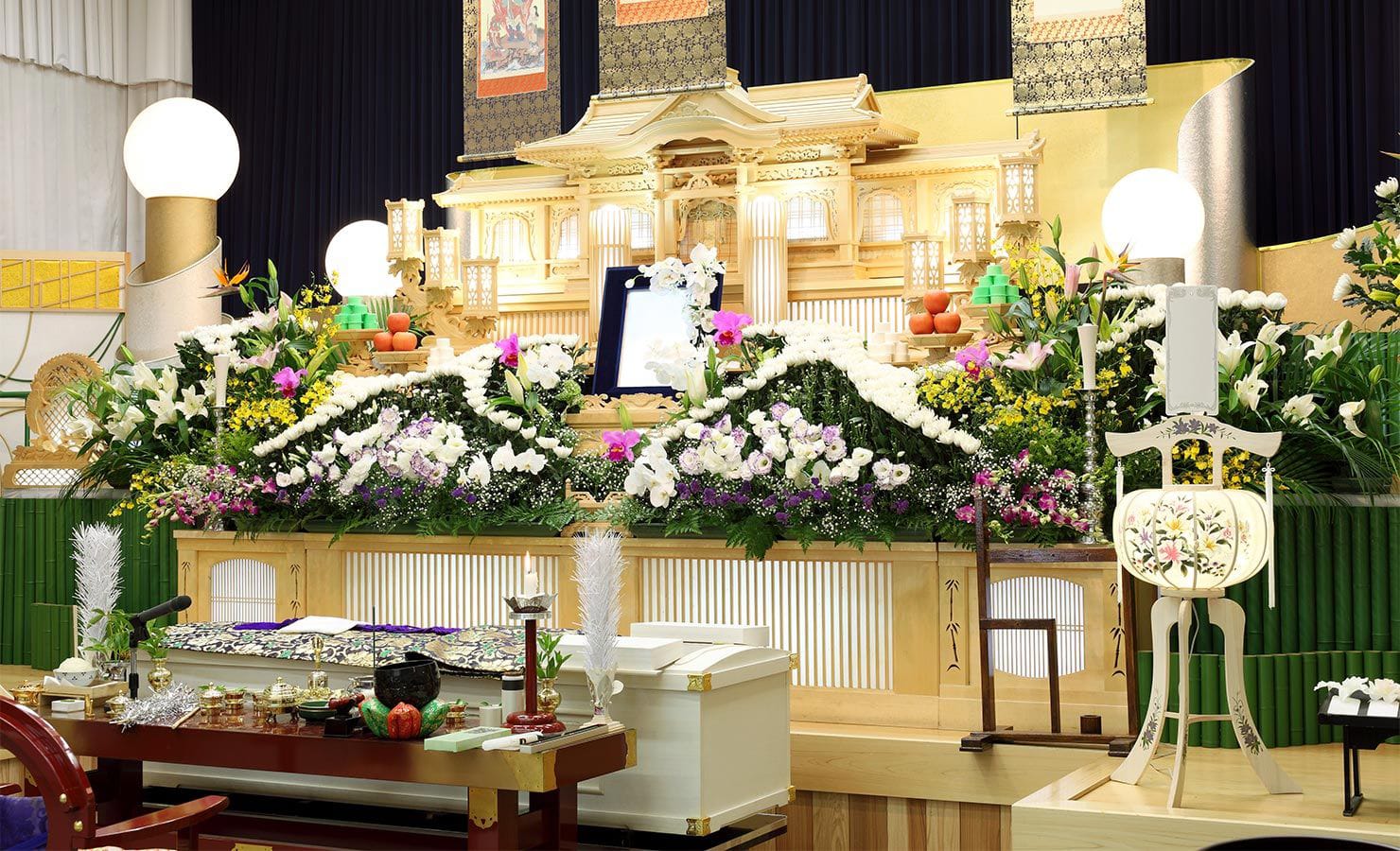
The role of spirituality is particularly important in Buddhist funeral traditions. Buddhism teaches the importance of karma, mindfulness, and compassion throughout life and death. Funeral ceremonies may include offerings of flowers, candles, and incense as symbols of respect and impermanence. Chanting by monks or family members is believed to generate positive energy and guide the spirit peacefully.
In many Buddhist communities, funeral ceremonies extend beyond a single day. Memorial gatherings may occur seven days, forty-nine days, or one year after death depending on cultural customs. These ceremonies provide ongoing opportunities for family members to remember the deceased and continue the healing process together.
Children and younger family members may also require special emotional support after a loss. Solace Bereavement programs often provide age-appropriate counseling that helps children understand grief in healthy and supportive ways. Encouraging open communication allows children to express feelings without fear or confusion.
Mental health professionals recognize that grief can affect physical health as well as emotional well-being. Stress, anxiety, fatigue, and sleep disturbances are common during periods of mourning. Compassionate bereavement care encourages healthy coping methods such as meditation, journaling, exercise, and social connection.
A Buddhist funeral service may also include symbolic rituals that provide comfort to grieving families. Lighting candles can represent spiritual guidance, while offering flowers symbolizes the temporary nature of life. Meditation and chanting create peaceful environments that encourage reflection and emotional calmness.
Families often appreciate the simplicity and spiritual depth associated with Buddhist funeral traditions. Unlike elaborate ceremonies focused on material displays, Buddhist services frequently emphasize humility, respect, and mindfulness. This approach allows loved ones to focus on remembrance and emotional healing rather than external appearances.
Solace Bereavement support can continue long after funeral ceremonies are completed. Grief does not disappear immediately after a memorial service, and many individuals struggle with loneliness during the weeks and months that follow. Ongoing counseling and support groups provide opportunities for people to share experiences and learn coping strategies from others who understand similar feelings.
Community involvement also plays an important role in healing after loss. Friends, relatives, neighbors, and spiritual communities often provide practical help, emotional encouragement, and companionship during difficult periods. Bereavement services encourage families to maintain social connections rather than isolate themselves during grief.
Technology has also changed how bereavement and funeral services are delivered. Online memorial pages, virtual funeral attendance, and digital counseling platforms allow people to stay connected and receive support regardless of geographic location. These tools became especially important during periods when travel or gathering restrictions limited traditional funeral arrangements.
Cultural sensitivity is another essential element of effective bereavement care. Every family has unique traditions, beliefs, and emotional needs. Respectful service providers understand the importance of honoring religious customs and personal preferences during funeral planning and grief support.
Choosing the right bereavement and funeral services requires careful consideration. Families often look for compassionate professionals who demonstrate patience, understanding, and respect for spiritual beliefs. Recommendations from religious communities, healthcare providers, and trusted friends can help families identify supportive organizations.
Financial concerns may also create stress during funeral planning. Transparent communication regarding costs, service options, and available support resources helps families make informed decisions without additional emotional pressure. Some bereavement organizations provide affordable counseling or community-based support programs for individuals facing financial hardship.
Meditation is frequently encouraged as part of Buddhist grief support because it promotes calmness, emotional awareness, and inner peace. Practicing mindfulness can help grieving individuals manage overwhelming emotions and gradually develop acceptance over time. Spiritual teachings often remind individuals to cherish memories while continuing forward with compassion and gratitude.
The combination of Solace Bereavement care and a meaningful Buddhist funeral service creates a supportive environment for emotional and spiritual healing. Compassionate guidance, respectful traditions, and ongoing support help individuals cope with loss while honoring the memory of loved ones in peaceful ways.
Ultimately, grief is a deeply personal journey that requires patience, understanding, and support. Solace Bereavement services and Buddhist funeral traditions both emphasize compassion, mindfulness, and emotional care during life’s most difficult moments. Through counseling, spiritual reflection, and community connection, families can find comfort, healing, and hope even in times of profound sorrow.
