

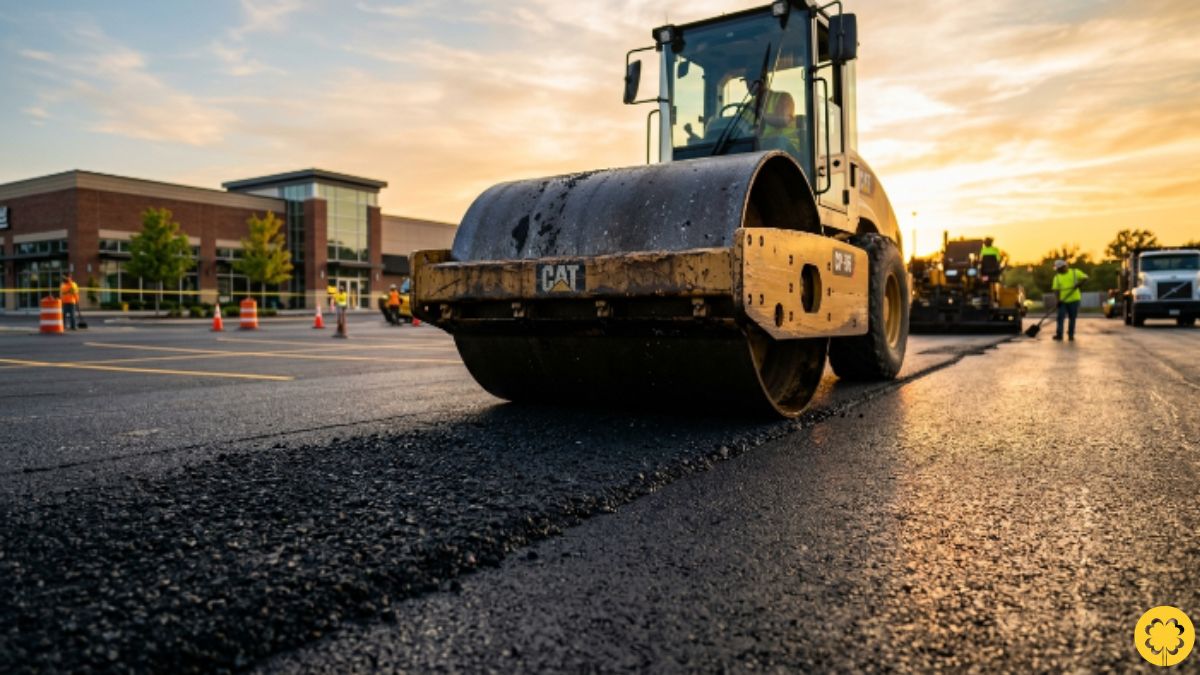
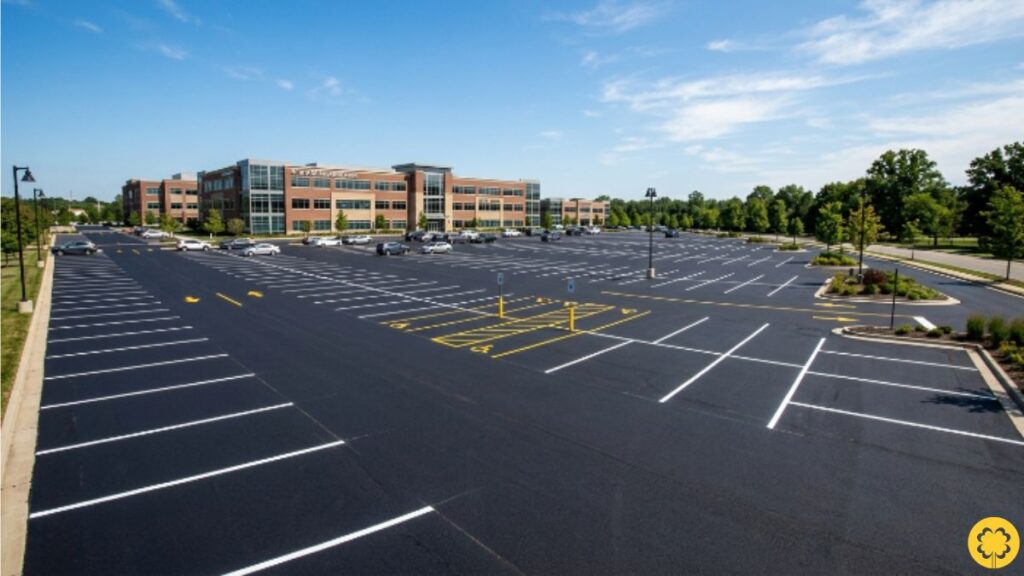
Your parking lot is often the first thing people notice when they visit your property. A clean, professionally paved surface creates a positive impression before anyone walks through the door. That’s why parking lot paving is more than a construction project. It is a smart investment that improves curb appeal, strengthens property value, and provides a smooth parking surface for customers and employees.
Whether you own a retail store, office building, apartment complex, or warehouse, quality paving enhances safety and supports daily operations. Professional installation also helps reduce future repair costs while extending pavement life. Investing in commercial parking lot paving today protects your property and delivers long-term value for years to come.
What Is Parking Lot Paving and Why Does It Matter?
Understanding the Purpose of Parking Lot Paving
At its core, parking lot paving is the process of designing, building, or restoring a parking surface that safely supports vehicles and pedestrians. Contractors prepare the ground, install a stable foundation, and place asphalt or concrete to create a smooth driving surface. The finished lot also includes drainage systems, parking lines, accessible spaces, and traffic markings that help visitors move around safely. A professionally paved lot doesn’t simply look attractive. It becomes an essential part of your property’s infrastructure.
Every successful business depends on reliable access for customers, employees, suppliers, and emergency vehicles. That’s why commercial parking lot paving plays such an important role in commercial property maintenance and exterior property maintenance. A parking lot built with quality asphalt materials, proper drainage, and proper grading resists water damage, reduces wear, and extends its asphalt lifespan. Investing in professional asphalt paving today often prevents much larger repair bills tomorrow.
Why Your Parking Lot Has a Bigger Impact Than You Think
Your parking lot works around the clock. Every vehicle entering your property depends on its strength and stability. A damaged surface creates unnecessary risks while lowering the overall appearance of your business. Small cracks may seem harmless at first. However, rainwater quickly seeps below the surface through water penetration, weakens the foundation, and causes larger cracks to develop. During winter, freezing temperatures expand trapped moisture, making damage even worse.
Think of your parking lot as the foundation of a house. If the foundation fails, everything built on top begins to suffer. The same principle applies here. Professional parking lot paving solutions protect your investment while improving customer experience, preserving your brand image, and maintaining a clean commercial exterior. Property owners who invest early usually spend less on future pavement repair, parking lot repair, and complete parking lot replacement.
| Why Parking Lot Paving Matters | Business Benefit |
| Improves safety | Reduces accidents and injuries |
| Creates a clean appearance | Builds customer confidence |
| Supports heavy vehicle loads | Extends pavement life |
| Improves drainage | Prevents flooding and erosion |
| Reduces future repairs | Increases cost savings |
| Enhances accessibility | Improves customer convenience |
Key Benefits of Professional Parking Lot Paving
Why Professional Installation Delivers Better Long-Term Results
A professionally paved parking lot offers far more than fresh asphalt. It improves the entire experience for everyone who visits your property. Customers immediately notice a clean entrance with clear markings, smooth driving lanes, and organized parking spaces. These details strengthen your professional appearance while creating a welcoming environment that encourages repeat visits. Businesses that invest in professional commercial paving services often enjoy higher customer satisfaction because visitors feel safer and more comfortable.
Professional installation also protects the structural health of your pavement. Skilled crews understand how to prepare the base correctly, apply proper asphalt compaction, and use high-quality materials that increase long-term durability. Every layer serves a purpose. When installed correctly, the finished surface resists cracking, rutting, and weather damage much better than low-cost alternatives. An experienced asphalt contractor knows that cutting corners during installation almost always leads to expensive repairs later.
The Financial Value of Investing in Professional Paving
Many business owners delay paving projects because they focus only on the upfront expense. However, experienced property managers understand that preventive investment usually costs far less than emergency repairs. A professionally installed asphalt parking lot requires fewer repairs during its lifetime and delivers a much stronger return on investment. Regular parking lot maintenance also reduces unexpected business interruptions while helping facilities remain safe throughout the year.
Professional commercial asphalt services also improve operational efficiency. Delivery trucks move more smoothly across a level surface. Customers find parking spaces faster because markings remain highly visible. Emergency vehicles gain easier access when pavement stays free of large cracks and damaged sections. Over time, these improvements support facility management, reduce liability claims, and strengthen the long-term value of your business property.
Fact: According to the National Asphalt Pavement Association (NAPA), asphalt is one of America’s most recycled construction materials, making it an economical and environmentally responsible paving choice. Source:
| Professional Parking Lot Paving Benefit | Long-Term Impact |
| Better curb appeal | Attracts more visitors |
| Improved vehicle safety | Reduces accidents |
| Enhanced pedestrian safety | Protects customers and employees |
| Stronger pavement structure | Longer service life |
| Lower repair costs | Better budgeting |
| Better drainage | Less standing water |
| Higher property value | Greater resale potential |
Types of Parking Lot Paving Materials
Comparing Asphalt, Concrete, and Sustainable Alternatives
Choosing the right paving material affects your budget, maintenance schedule, and long-term performance. In the United States, asphalt remains the most popular option because it balances durability, affordability, and fast installation. Professional asphalt installation creates flexible pavement that handles temperature changes well and stands up to daily traffic. When maintained properly with sealcoating, crack sealing, and regular inspections, asphalt continues performing for decades.
Concrete offers a longer lifespan in some situations, but it usually costs more to install and repair. It also takes longer to cure before vehicles can use the surface. Many businesses now explore sustainable alternatives such as reclaimed asphalt pavement (RAP) and recycled asphalt. These materials support eco-friendly paving, reduce waste, and contribute to carbon footprint reduction without sacrificing performance. Modern sustainable paving practices continue improving every year, giving property owners more environmentally responsible choices.
Which Material Is Best for Your Property?
There isn’t one perfect solution for every parking lot. The best material depends on climate, traffic levels, property use, and maintenance goals. Shopping centers, office buildings, restaurants, apartment complexes, hospitals, and warehouses each place different demands on pavement. Areas that experience frequent freeze-thaw cycles often benefit from asphalt because its flexibility helps absorb movement better than rigid concrete surfaces.
Business owners should also think beyond installation costs. Long-term performance matters just as much. Materials that require less maintenance may reduce expenses over several decades. Working with an experienced paving contractor helps you evaluate your property’s unique needs before making a decision. A knowledgeable contractor considers drainage, soil conditions, expected traffic, and future expansion plans before recommending the best materials for parking lot paving.
| Material | Advantages | Considerations |
| Asphalt | Lower installation cost, quick construction, easier repairs | Requires periodic sealcoating and asphalt maintenance |
| Concrete | Long lifespan, bright appearance | Higher upfront cost and longer curing time |
| Reclaimed asphalt pavement (RAP) | Supports sustainability and lowers material costs | Requires proper processing and installation |
| Permeable pavement | Improves drainage and reduces runoff | Higher installation cost but environmental benefits |
The Parking Lot Paving Process Step by Step
From Site Preparation to Final Striping
Every successful parking lot paving project begins with careful planning instead of laying asphalt immediately. A professional parking lot paving contractor first evaluates the existing surface, soil condition, drainage, and expected traffic. This inspection helps determine whether the lot needs a completely new installation, parking lot resurfacing, or simple pavement restoration. Once the assessment is complete, the crew develops a construction plan that fits the property’s layout while reducing minimal business disruption through smart project scheduling. Careful planning keeps the project on schedule and prevents expensive mistakes later.
The next stage includes excavation, proper grading, and preparing a strong base. This foundation supports the entire pavement structure for years to come. Contractors then install the asphalt using modern paving equipment before completing asphalt compaction to remove air pockets and create a stable surface. Finally, the crew applies parking lot striping, ADA-compliant markings, directional arrows, and safety signs. Every step works together to produce durable asphalt surfaces that improve traffic flow, increase safety, and extend the asphalt lifespan.
Every Step Matters for Long-Term Performance
Skipping even one construction step can shorten the life of your parking lot. For example, poor drainage allows rainwater to collect on the surface. Over time, water penetration weakens the foundation and causes cracks to spread. Likewise, insufficient compaction leaves empty spaces beneath the pavement. Under constant heavy traffic, these weak areas begin sinking, creating depressions and uneven driving lanes.
Experienced contractors understand that lasting pavement depends on precision from start to finish. They monitor asphalt temperature, check base thickness, and verify grading before moving to the next stage. This attention to detail protects the pavement’s structural integrity while lowering future repair costs. Investing in quality installation today often means fewer maintenance issues for many years.
| Step in the Parking Lot Paving Process | Purpose |
| Site inspection | Evaluates existing conditions |
| Excavation | Removes damaged material |
| Base preparation | Creates a stable foundation |
| Proper grading | Improves drainage |
| Asphalt installation | Places new pavement |
| Asphalt compaction | Strengthens the surface |
| Parking lot striping | Improves traffic organization |
| Final inspection | Confirms quality standards |
Common Signs Your Parking Lot Needs Paving or Replacement
Warning Signs You Should Never Ignore
A parking lot rarely fails overnight. Most surfaces show warning signs months or even years before major problems develop. Recognizing these early indicators allows property owners to schedule repairs before damage spreads. One of the most common signs is cracked asphalt. Small cracks often seem harmless. However, they quickly grow as moisture enters the pavement. Eventually, the surface develops larger fractures, leading to expensive parking lot repair or complete parking lot replacement.
Visible potholes, fading pavement, broken edges, standing water, and uneven pavement also signal underlying structural issues. Some parking lots develop surface deterioration because years of sunlight, traffic, and changing temperatures gradually weaken the asphalt binder. In many cases, regular pavement maintenance can stop the damage before full reconstruction becomes necessary. Ignoring these warning signs usually increases repair costs and creates additional safety hazards for everyone using the property.
Repair or Replacement? Knowing the Difference
Not every damaged parking lot requires complete replacement. If the foundation remains strong, contractors often recommend asphalt resurfacing instead. This process removes the worn top layer before placing fresh asphalt over the existing base. Parking lot resurfacing restores appearance, improves performance, and costs significantly less than rebuilding the entire lot.
When damage extends below the surface, however, replacement becomes the smarter investment. Large cracks, severe drainage problems, widespread pavement failure, and unstable soil usually indicate deeper structural issues. A qualified paving contractor performs a detailed inspection before recommending the best solution. Their evaluation helps property owners avoid spending money on temporary repairs that fail within a short period.
| Warning Sign | Recommended Solution |
| Small surface cracks | Crack sealing |
| Isolated potholes | Pothole repair |
| Widespread cracking | Asphalt resurfacing |
| Standing water | Improve drainage |
| Faded striping | New parking lot striping |
| Base failure | Parking lot replacement |
Case Study: A retail shopping center in Texas delayed repairing minor cracks for three years. Heavy rain entered the pavement through those openings, weakening the foundation. What started as inexpensive crack sealing eventually became a complete reconstruction project that cost several times more than early maintenance would have required.
How to Maintain a Newly Paved Parking Lot
Smart Maintenance Protects Your Investment
Building a new parking lot is only the beginning. Regular parking lot maintenance keeps the surface looking attractive and performing well for many years. One of the most effective maintenance services is sealcoating. This protective coating shields asphalt from UV damage, chemical spills, fuel leaks, oil stains, and water penetration. Most professionals recommend applying sealcoat after the pavement has cured properly and repeating the process every few years based on traffic conditions.
Routine crack sealing also plays a critical role in protecting pavement. Even tiny openings allow moisture to reach the base layer where it slowly weakens the foundation. Sealing these cracks early prevents larger repairs later. Combined with regular cleaning and drainage inspections, these simple maintenance steps preserve the pavement’s appearance while increasing its long-lasting pavement performance.
A Preventive Approach Saves Time and Money
Many successful business owners follow a structured maintenance program rather than waiting for visible damage. This strategy, often called preventive maintenance or proactive maintenance, focuses on fixing small issues before they become major problems. Scheduled routine inspections help identify cracks, drainage issues, faded markings, and surface wear while repairs remain affordable.
Good maintenance also improves safety throughout the property. Clean pavement with visible parking lines helps drivers move efficiently while reducing confusion during busy hours. Well-maintained surfaces create a better customer experience, support a stronger professional appearance, and reduce the likelihood of liability claims. If you’re wondering how to maintain a parking lot, the answer is simple. Inspect it regularly, repair damage quickly, and never postpone routine care.
| Maintenance Service | Recommended Frequency | Primary Benefit |
| Routine inspections | Every 3–6 months | Detect early damage |
| Crack sealing | As needed | Prevents water intrusion |
| Sealcoating | Every 2–3 years | Protects against weather |
| Cleaning debris | Monthly | Improves drainage |
| Pothole repair | Immediately | Improves safety |
| Drainage inspection | Before and after rainy seasons | Prevents flooding |
Expert Quote: “Preventive maintenance always costs less than emergency reconstruction. Small repairs completed at the right time can extend pavement life by many years.”
Professional organizations such as the National Asphalt Pavement Association recommend regular inspections and timely maintenance because they significantly improve pavement performance and reduce long-term ownership costs. Learn more at
Factors That Affect Parking Lot Paving Cost
Understanding What Determines the Final Price
The total parking lot paving cost depends on much more than the size of your property. Every project has unique conditions that influence the final estimate. The condition of the existing pavement, the type of material you choose, local labor rates, drainage requirements, and site accessibility all play a role. A parking lot with serious foundation damage usually costs more to rebuild because contractors must remove the old pavement before beginning a new asphalt installation. Projects that only require parking lot resurfacing or pavement restoration generally cost less because the existing base remains usable.
Location also affects pricing across the United States. Material costs, transportation expenses, and labor rates vary from state to state. Weather conditions may also influence construction schedules. For example, paving during ideal temperatures often improves efficiency and reduces delays. Working with an experienced parking lot paving contractor helps you understand these variables before construction begins. A detailed estimate prevents unexpected expenses and allows you to plan your budget with confidence.
Looking Beyond the Initial Investment
Many property owners focus only on the lowest bid. However, the cheapest proposal rarely delivers the best value. A parking lot built with poor workmanship or low-grade materials often develops problems much sooner than expected. Frequent pavement repair, parking lot repair, and asphalt maintenance quickly increase ownership costs. Investing in quality craftsmanship and high-quality materials usually delivers greater cost savings over the pavement’s lifetime.
Think of parking lot paving as a long-term investment rather than a short-term expense. A professionally built parking lot improves property value, supports daily operations, and increases the overall return on investment. Businesses that maintain their pavement properly often spend far less over twenty years than those that delay repairs until complete replacement becomes necessary.
| Cost Factor | How It Affects the Project |
| Parking lot size | Larger areas require more materials and labor |
| Existing pavement condition | Severe damage increases preparation costs |
| Drainage improvements | Better drainage prevents future repairs |
| Material selection | Asphalt usually costs less than concrete |
| Labor and equipment | Regional pricing varies across the USA |
| Parking lot striping | Adds safety and organization |
| Maintenance plan | Reduces future repair expenses |
How to Choose the Right Parking Lot Paving Contractor
Finding a Contractor You Can Trust
Choosing the right contractor can make the difference between a parking lot that lasts decades and one that begins failing within a few years. Before hiring anyone, take time to research their experience, certifications, insurance coverage, and completed projects. A reputable paving contractor should gladly provide references, answer your questions, and explain every stage of the parking lot paving process. Transparency builds trust and helps you understand exactly what your investment includes.
Experience matters because every parking lot presents unique challenges. Soil conditions, drainage, climate, and traffic patterns require different construction methods. An established asphalt contractor understands these variables and recommends solutions that fit your property’s needs instead of offering a one-size-fits-all approach. Whether you need commercial parking lot paving services, commercial pavement solutions, or ongoing maintenance, selecting the right team protects your investment for years to come.
Questions Every Property Owner Should Ask
Before signing a contract, ask detailed questions about materials, warranties, timelines, and maintenance recommendations. A reliable contractor should explain how they ensure proper grading, why asphalt compaction matters, and what steps they take to minimize disruption during construction. They should also discuss future parking lot maintenance, including sealcoating, crack sealing, and regular inspections that help preserve the pavement.
Communication is just as important as technical skill. Contractors who provide clear schedules, regular updates, and realistic timelines often complete projects more efficiently. Good communication also reduces confusion and supports minimal business disruption, allowing your employees and customers to continue using the property safely throughout construction whenever possible.
| What to Look For | Why It Matters |
| Experience | Produces higher-quality results |
| Proper licensing and insurance | Protects property owners |
| Strong customer reviews | Demonstrates reliability |
| Written warranty | Provides peace of mind |
| Modern equipment | Improves construction quality |
| Detailed project estimate | Prevents unexpected costs |
| Maintenance guidance | Extends pavement life |
Tip: Ask to visit completed projects in your area. Seeing finished work in person provides a better understanding of the contractor’s attention to detail than photographs alone.
Sustainable Parking Lot Paving Solutions
Eco-Friendly Options That Deliver Long-Term Value
Modern parking lot paving focuses on more than durability. Many businesses now want environmentally responsible solutions that reduce waste while maintaining excellent performance. One of the most effective methods involves using reclaimed asphalt pavement (RAP). Contractors recycle existing pavement, process it into reusable material, and incorporate it into new projects. This approach reduces landfill waste while lowering the demand for new raw materials. The use of recycled asphalt has become increasingly common because it combines performance with environmental responsibility.
Another popular innovation is eco-friendly parking lot paving through warm-mix asphalt and permeable pavement systems. Warm-mix asphalt requires lower production temperatures, reducing fuel consumption and supporting carbon footprint reduction. Permeable pavement allows rainwater to filter naturally into the ground instead of overwhelming storm drains. These sustainable paving practices improve drainage and help communities manage stormwater more effectively.
Sustainability Makes Good Business Sense
Choosing environmentally friendly paving methods often benefits both the planet and your budget. Recycled materials can reduce construction costs without sacrificing quality. Improved drainage lowers erosion and decreases the risk of water damage. Businesses also strengthen their reputation by demonstrating environmental responsibility, which many customers appreciate when selecting where to shop or do business.
Sustainable construction also supports the future of your property. Longer-lasting materials reduce the need for frequent repairs and lower the demand for new resources. Combined with routine maintenance, these practices create long-lasting pavement that continues serving your business for decades. Investing in eco-friendly paving today helps protect your property while contributing to a cleaner environment for future generations.
| Sustainable Solution | Key Benefit |
| Reclaimed asphalt pavement (RAP) | Reduces material waste |
| Recycled asphalt | Conserves natural resources |
| Warm-mix asphalt | Lowers energy consumption |
| Permeable pavement | Improves stormwater management |
| Preventive maintenance | Extends pavement lifespan |
| Sustainable construction methods | Reduces environmental impact |
Conclusion
A professionally built parking lot does much more than provide a place for vehicles to park. It strengthens your business image, improves safety, increases efficiency, and protects one of your property’s most valuable assets. Investing in parking lot paving for businesses creates lasting benefits through stronger pavement, lower maintenance costs, and a better experience for every visitor who enters your property. Whether you need a completely new installation, parking lot paving solutions, resurfacing, or ongoing maintenance, choosing experienced professionals makes all the difference.
The best results come from planning ahead instead of waiting for visible damage to grow. Regular inspections, timely repairs, and preventive maintenance help preserve your investment while reducing long-term expenses. By working with a trusted contractor and following a proactive maintenance strategy, your parking lot can remain safe, attractive, and dependable for decades. That’s a smart investment for your property, your customers, and your business’s future.
FAQ’s About Parking Lot Paving
How much does it cost to pave a parking lot?
The cost depends on the parking lot’s size, material, site preparation, and location. Most commercial asphalt parking lots cost between $3 and $7 per square foot.
What is the cheapest way to pave a parking lot?
Asphalt is usually the most affordable paving option because it has lower installation costs and can be repaired more easily than concrete.
Can you pave your own parking lot?
While it’s possible for small projects, paving a parking lot requires specialized equipment and expertise. Hiring a professional contractor usually delivers safer and longer-lasting results.
Is it cheaper to blacktop or concrete?
Blacktop (asphalt) is generally cheaper to install than concrete, although concrete may last longer with less maintenance in some conditions.
How much does a 1,000-foot asphalt driveway cost?
The cost varies based on the driveway’s width and local labor rates. For a typical residential driveway measuring about 1,000 square feet, expect to pay approximately $3,000 to $7,000 for asphalt installation.
People Also Read: Hailey Bieber Net Worth (2026): Income, Rhode Sale, Career, and Luxury Lifestyle

Welcome to Blessings There! I’m the creator and author behind this website. I love sharing useful insights, informative content, and knowledge that can add value to everyday life.