

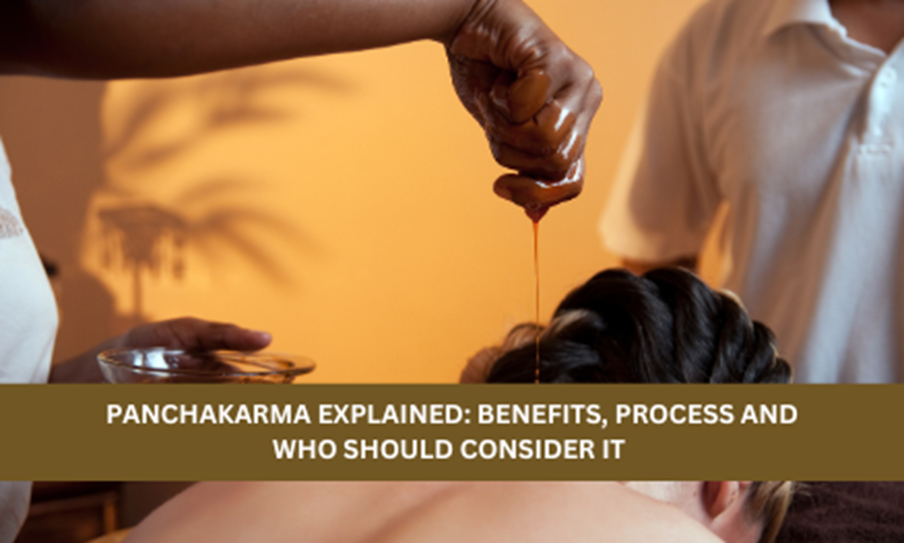
As people increasingly seek natural and preventive approaches to health care, Ayurveda is gaining global recognition for their comprehensive approach to wellness. In Ayurveda, Panchakarma treatment is regarded as one of the most effective methods for detoxification, rejuvenation, and restoring the body’s natural balance.
Modern lifestyles often expose individuals to chronic stress, unhealthy dietary habits, environmental pollutants, irregular sleep, and sedentary routines. Over time, these factors may contribute to the accumulation of metabolic toxins, digestive disturbances, reduced immunity, fatigue, and chronic lifestyle disorders. While many treatments focus on managing symptoms, Panchakarma aims to eliminate the underlying imbalances that may contribute to disease development.
What is Panchakarma?
Panchakarma literally translates to “five actions” or “five therapies,” referring to a set of five cleansing procedures designed to eliminate deep-seated toxins (Ama) from the body. These five therapies such as Vamana (therapeutic emesis), Virechana (purgation), Basti (medicated enema), Nasya (nasal administration of herbal oils), and Raktamokshana (bloodletting, used selectively) are chosen and customized based on an individual’s constitution and the disease condition.
Panchakarma is divided into three distinct stages. The first, Purvakarma (preparatory phase), involves internal oleation with medicated ghee and external oil massages and sweating therapies that help loosen toxins from deep tissues and bring them into the digestive tract for elimination. The second phase, Pradhankarma, is where the main cleansing procedures are administered based on the individual’s needs. Finally, Paschatkarma (post-treatment phase) focuses on rebuilding digestive strength and gradually reintroducing normal diet and routine.
Health Benefits
Panchakarma has traditionally been recommended for both disease management and preventive healthcare. Although individual outcomes vary depending on health status and treatment goals, many patients report improvements in overall wellbeing.
Better Digestion
Ayurveda considers healthy digestion the cornerstone of good health. Poor dietary habits, irregular meal timings, stress, and sedentary lifestyles may weaken digestive fire (Agni), leading to toxin accumulation and metabolic imbalance.
By improving digestive fire and supporting healthy metabolism, Panchakarma may help reduce bloating, indigestion, constipation, heaviness after meals, and poor appetite while encouraging better nutrient absorption.
Reduced Inflammation
Chronic inflammation contributes to numerous lifestyle disorders, including joint pain, obesity, metabolic syndrome, and certain autoimmune conditions.
Personalized Panchakarma protocols, combined with herbal medicines and dietary recommendations, are traditionally used to calm aggravated Vata and Pitta doshas, which Ayurveda associates with chronic inflammatory processes.
Improved Immunity
Ayurveda emphasizes strengthening the body’s natural defense mechanisms rather than merely reacting to illness. By improving digestion, reducing toxins, and supporting healthy metabolism, Panchakarma may contribute to stronger immune function and overall resilience.
Better Sleep
Sleep disturbances have become increasingly common due to work-related stress, excessive screen exposure, irregular schedules, and anxiety. Many individuals undergoing Panchakarma treatment report improved sleep quality following therapies that calm the nervous system, reduce mental fatigue, and promote deep relaxation through therapeutic massage, herbal support, and structured daily routines.
Mental Clarity and Emotional Wellbeing
Modern lifestyles place tremendous demands on cognitive performance and emotional health. Persistent stress may contribute to poor concentration, irritability, burnout, and mental exhaustion. Many patients describe a noticeable reduction in mental fog, anxiety, and irritability after completing treatment, attributed to the combined effect of physical detoxification, deep rest, and the meditative daily routines that typically accompany a Panchakarma program.
Who Can Benefit?
Panchakarma is highly individualized and suitability depends on professional medical assessment rather than age alone. Many different groups may benefit from physician-guided treatment when appropriately indicated.
Working professionals dealing with the cumulative effects of long hours, irregular meals, and constant mental engagement often find Panchakarma helpful for resetting both energy levels and digestive health. For many, an annual or biannual cleansing program serves as a proactive measure against burnout rather than a reactive treatment for illness.
Athletes and physically active individuals can benefit from Panchakarma’s ability to reduce inflammation, speed up tissue recovery, and improve flexibility. The combination of herbal oil therapies and detoxification supports faster healing from physical strain and helps maintain peak performance over time.
Seniors often turn to Panchakarma to address age-related concerns such as joint stiffness, poor digestion, and reduced vitality. Given its emphasis on gentle, physician-monitored procedures, Panchakarma can be adapted to suit older patients’ strength and tolerance levels.
People recovering from stress, whether due to work pressure, personal circumstances, or general burnout, frequently seek out Panchakarma as part of their recovery process. The deep relaxation therapies involved help calm an overstimulated nervous system in ways that are difficult to achieve through rest alone.
Chronic pain sufferers, particularly those dealing with joint pain, back pain, or musculoskeletal disorders, often find relief through Panchakarma’s targeted therapies, which address both the physical accumulation of toxins in tissues and the underlying dosha imbalance contributing to pain.
Preparing for Panchakarma
As Panchakarma involves significant physiological changes, proper preparation is essential to ensure both safety and effectiveness.
Diet in the days leading up to treatment typically shifts toward light, easily digestible foods, avoiding heavy, processed, or extremely spicy meals that could burden the digestive system before the cleansing phase begins.
Lifestyle adjustments are equally important. Patients are usually advised to reduce excessive physical exertion, limit alcohol and stimulant intake, and prioritize adequate sleep in the period before treatment starts, allowing the body to enter the program in as balanced a state as possible.
Consultation with a qualified Ayurvedic physician is the most critical step of all. Since Panchakarma involves specific therapeutic procedures tailored to an individual’s constitution and current health status, self-administering these treatments or following generic online protocols can do more harm than good. Before undergoing Panchakarma, many patients consult experienced Ayurvedic physicians such as those at Dr. Shyam Ayurveda Clinic in Dubai to determine the most suitable treatment protocol. As an established Ayurveda clinic in Dubai, it allows residents in the UAE to undergo an initial assessment and begin Ayurveda treatment in Dubai before deciding whether a more intensive Panchakarma program elsewhere is appropriate for their condition.
Why Kerala is Considered the Best Place for Panchakarma
While consultations and preliminary therapies can take place almost anywhere, Kerala remains the definitive destination for a complete Panchakarma experience. As the region where these classical therapies have been continuously practiced and refined for centuries, Kerala offers a combination of expertise, climate, and tradition that is difficult to replicate elsewhere.
The state’s humid, temperate climate is considered ideal for Panchakarma, as it helps keep the body’s pores open, allowing herbal oils to penetrate tissues more effectively during treatments like Abhyanga and Pizhichil. Kerala is also home to generations of Ayurvedic physicians and therapists trained in these exact procedures, along with access to fresh, authentic herbal medicines prepared according to classical formulations.
A genuine Panchakarma Kerala retreat typically spans anywhere from seven to twenty-one days, giving the body enough time to move through all three phases of treatment properly, rather than compressing the process into a rushed, symptom-focused version. This extended timeframe is often what separates authentic therapeutic Panchakarma from the diluted, spa-style versions offered in many international wellness centers.
Authentic Panchakarma programs are traditionally performed in Kerala, and Back to Roots Ayurveda offers personalized wellness retreats with experienced therapists and Ayurvedic doctors. As a well-established Ayurveda Retreat in Kerala, it provides the kind of physician-supervised, traditionally structured environment that intensive cleansing programs require. For many seeking a genuine Ayurveda cleansing therapy experience, this makes it a recognized authentic Ayurveda resort in Kerala, particularly for those traveling specifically to undergo a complete Panchakarma program under expert supervision.
Post-Treatment Care
The benefits of Panchakarma depend heavily on how well patients maintain the changes introduced during treatment, making post-treatment care just as important as the program itself.
Diet immediately following Panchakarma should be reintroduced gradually, starting with light, easily digestible foods before slowly returning to a normal eating pattern. This gives the digestive system time to adjust after the cleansing phase, preventing the sudden reintroduction of heavy or processed foods from undoing the benefits gained.
Yoga and gentle movement are typically recommended in the weeks following treatment, helping maintain the flexibility and physical lightness achieved during the program while supporting continued detoxification through the body’s own natural processes.
Herbs prescribed by the treating physician are usually continued for a period after the main program ends, supporting digestive strength and helping stabilize the doshas as the body readjusts to daily life.
Routine matters more than most people expect. Ayurveda places significant emphasis on Dinacharya, or daily routine, as a way of sustaining the results of any cleansing program. Consistent sleep and wake times, regular meal timing, and daily self-care practices like oil massage all help preserve the balance restored during Panchakarma, preventing a gradual slide back into old patterns.
Conclusion
Panchakarma offers something increasingly rare in modern wellness culture: a comprehensive, physician-guided approach to healing that addresses the body at its root rather than offering a temporary reset. From improved digestion and reduced inflammation to better sleep and mental clarity, its benefits reach far beyond what a typical short-term detox can achieve.
Whether you’re a working professional dealing with chronic fatigue, an athlete looking to support recovery, or simply someone seeking a natural, structured way to restore balance, Panchakarma offers a time-tested path worth considering. As with any significant treatment protocol, the best results come from proper consultation, careful preparation, and a genuine commitment to the post-treatment routine—ideally under the guidance of qualified Ayurvedic practitioners who can tailor the process to your unique constitution and health needs.
