

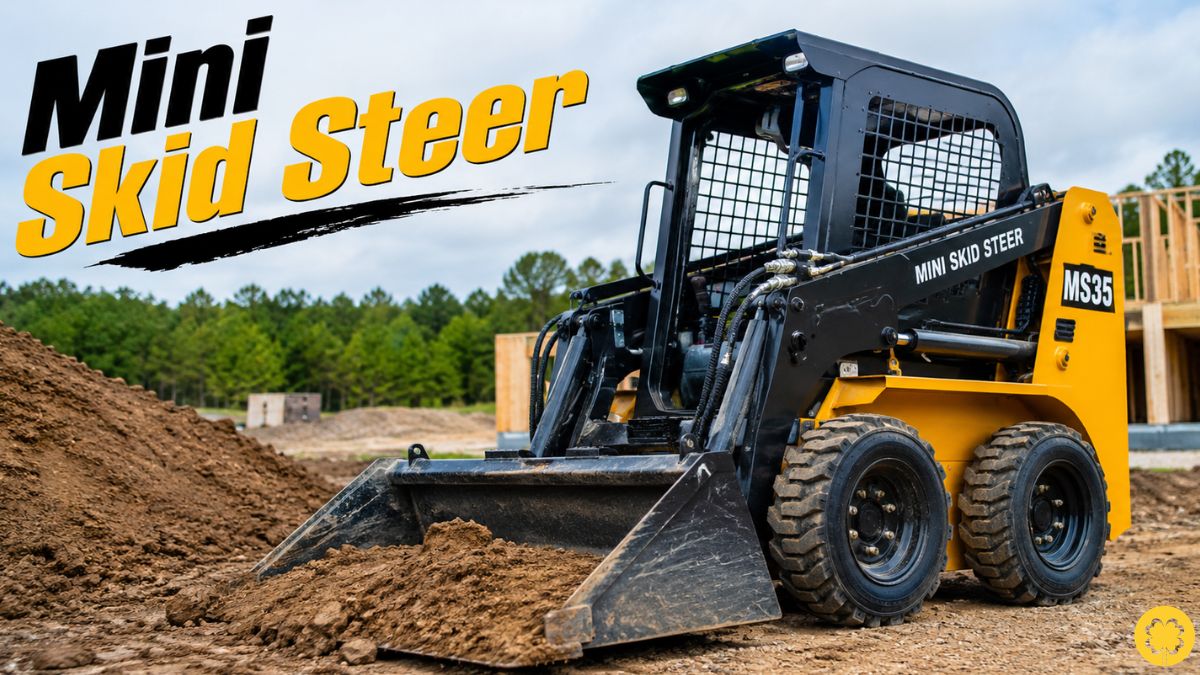
A mini skid steer is one of the most versatile machines you can own for construction, landscaping, farming, or property maintenance. Its compact size allows it to work in narrow spaces while delivering the power needed for demanding jobs. Whether you’re moving soil, clearing brush, or lifting heavy materials, this machine helps you complete tasks faster with less manual effort. By using mini skid steer attachments, such as a bucket attachment, mini skid steer grapple, or pallet forks, you can handle multiple projects with a single machine.
Thanks to its reliable hydraulic flow and durable design, a mini skid steer improves productivity, reduces operating costs, and offers a practical solution for both homeowners and professional contractors across the United States.
What Is a Mini Skid Steer and How Does It Work?
Main Components of a Mini Skid Steer
A **mini skid steer is a compact machine designed to perform demanding tasks in places where larger equipment cannot fit. Unlike full-size skid steers, these machines easily pass through narrow gates, sidewalks, and backyard entrances. That makes them an excellent choice for homeowners, small contractors, and professionals working in tight spaces. Most models use either tracks or wheels and include a powerful engine, hydraulic system, lift arms, and an operator platform. Their compact design allows them to move quickly without sacrificing strength.
The heart of every compact loader is its hydraulic system. Instead of relying only on engine power, hydraulic pressure moves the lift arms and operates different loader attachments. This design gives the machine impressive lifting ability while keeping fuel consumption low. Modern models also feature a quick-attach plate, allowing operators to switch from one skid steer attachment to another within minutes. This flexibility makes a compact skid steer one of the most valuable pieces of compact equipment for daily work.
How the Hydraulic System Powers Attachments
Hydraulic technology makes a mini skid steer far more versatile than many people realize. The machine sends pressurized hydraulic fluid through hoses to power different tools. This hydraulic attachment system allows operators to complete digging, lifting, drilling, cutting, and grading tasks without changing machines. If your machine includes auxiliary hydraulics, it can power advanced attachments that require continuous hydraulic pressure.
For example, a mini skid steer grapple, hydraulic grapple, or bucket attachment connects directly to the hydraulic system. Once connected, the operator controls every movement from the machine. This setup increases loader productivity because changing tasks becomes quick and simple. Whether you are moving logs, digging trenches, or lifting construction materials, the hydraulic system delivers reliable compact machine performance throughout the workday.
Wheeled vs. Tracked Mini Skid Steers
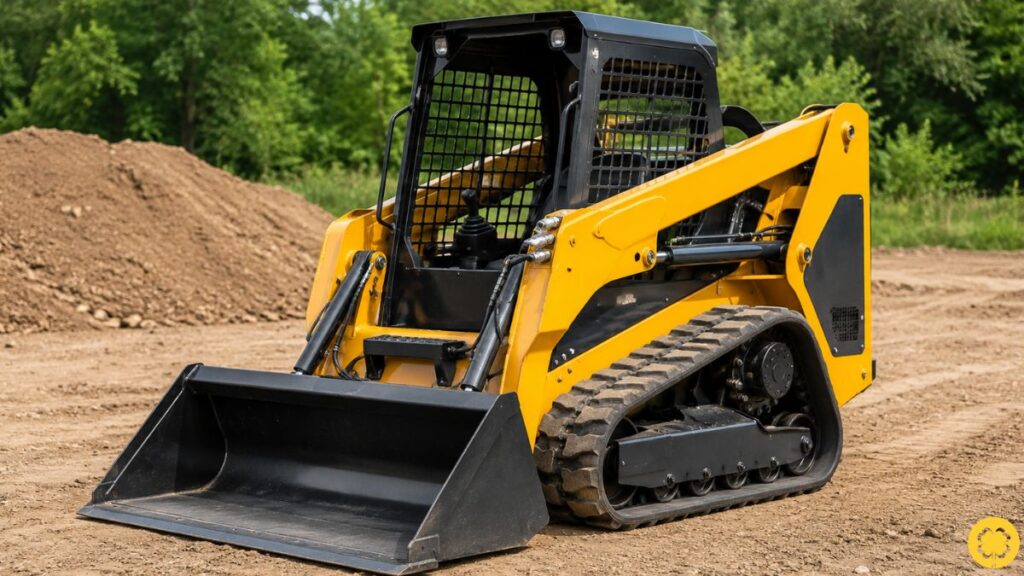
One of the first decisions buyers face is choosing between wheels and tracks. Wheeled models perform best on hard surfaces such as concrete, asphalt, and compacted gravel. They generally travel faster and require less maintenance, making them a smart choice for urban construction and residential landscaping.
Tracked models distribute weight more evenly across the ground. This design provides excellent traction on soft soil, mud, sand, and uneven terrain. Many professionals prefer tracked machines for land clearing projects, construction site preparation, and rural property maintenance because they reduce ground disturbance while improving stability. If your projects involve challenging terrain, tracks often provide better productivity on job sites.
| Feature | Wheeled Mini Skid Steer | Tracked Mini Skid Steer |
| Best Surface | Concrete, asphalt | Mud, soil, sand |
| Travel Speed | Faster | Moderate |
| Traction | Good | Excellent |
| Ground Pressure | Higher | Lower |
| Ideal For | Residential work | Heavy-duty outdoor projects |
Key Features and Benefits of Using a Mini Skid Steer
Compact Size for Tight Spaces
One of the biggest benefits of a mini skid steer is its ability to work where larger machines simply cannot. Backyard landscaping, narrow construction entrances, indoor demolition, and confined commercial sites all become easier with this compact machine. Its small footprint also reduces damage to lawns and paved surfaces during operation.
Contractors often choose a mini loader because it saves valuable time. Instead of removing fences or widening access points, operators can drive directly into restricted areas and begin working immediately. This advantage makes it especially useful for landscaping contractors, residential builders, and property owners who need efficient compact equipment solutions without sacrificing performance.
Powerful Performance with Lower Operating Costs
Despite its small size, a mini skid steer offers remarkable lifting strength and hydraulic power. Modern machines feature high lift capacity, dependable engines, and optimized hydraulic flow that allow them to operate demanding attachments throughout the day. Many models can lift hundreds of pounds while maintaining excellent balance and stability.
Lower fuel consumption is another important advantage. Because the machine is lighter than full-size loaders, operating costs remain lower over time. Maintenance expenses also tend to decrease because fewer components experience excessive wear. Businesses that invest in compact equipment often see improved efficiency while reducing labor costs, making these machines an excellent long-term investment for heavy-duty construction, farming, and landscaping.
Versatility Through Quick-Attach Systems
Few machines match the attachment flexibility of a mini skid steer. The quick attachment system allows operators to replace one tool with another in only a few minutes. Instead of transporting multiple machines to a job site, one loader can perform many different tasks simply by changing attachments.
Popular mini skid steer attachments include the bucket attachment, auger attachment, pallet forks, trenchers, mowers, and specialized grapples. A land clearing grapple, brush grapple, or rock grapple can remove stubborn vegetation, fallen trees, and large rocks quickly. This outstanding attachment versatility increases productivity while lowering equipment ownership costs.
Common Uses of a Mini Skid Steer in Construction, Landscaping, and Farming
Construction and Demolition Projects
Construction companies rely heavily on mini skid steer uses because these machines simplify material handling and site preparation. Workers use them to transport gravel, sand, bricks, lumber, and concrete without requiring larger equipment. Their compact size also allows operators to work inside partially completed buildings where full-size machines cannot safely enter.
During demolition work, contractors use specialized grapple attachment tools for lifting rocks and debris, broken concrete, and construction waste. A reinforced steel frame combined with powerful hydraulics ensures long-lasting equipment durability even under demanding workloads. This makes compact loaders valuable partners on renovation and demolition projects across the United States.
Landscaping and Property Maintenance
Landscape professionals depend on mini skid steer equipment throughout the year. These machines simplify grading, planting, trenching, sod installation, and site grading and cleanup. Homeowners also benefit from using compact loaders when renovating yards or installing outdoor features such as patios and retaining walls.
One of the most useful tools is the mini skid steer skeleton grapple. Understanding how a skeleton grapple works helps operators appreciate its efficiency. Wide openings between the tines allow soil to fall through while holding larger debris securely. A hydraulic clamping lid presses materials firmly against the heavy-duty tines, making clearing brush and roots, brush removal, rock removal, and debris removal much faster. This process also improves soil preservation by separating debris from soil instead of hauling away valuable topsoil.
Agricultural and Farm Applications
Farm owners use farm equipment that performs multiple jobs throughout the year. A mini skid steer easily transports hay, fencing materials, feed bags, and equipment around barns and fields. During planting season, an auger attachment drills clean holes for fence posts and trees while reducing manual labor.
Many farmers also depend on a skeleton grapple attachment during agricultural cleanup. Whether removing fallen branches, old fencing, or storm debris, these tools provide excellent grapple performance. Proper tine spacing allows dirt to fall away while securing larger materials. When selecting attachments, choosing the right grapple depends on material size, machine lift rating, and loader compatibility. A quality grapple buying guide often recommends matching attachment weight with the machine’s lifting ability to maximize safety and efficiency.
Snow Removal and Residential Jobs
Winter weather creates another opportunity for a mini skid steer to shine. Contractors use snow blades, buckets, and pushers to clear sidewalks, driveways, parking lots, and commercial entrances quickly. Compact machines move efficiently through narrow spaces where larger loaders struggle to operate.
Throughout the rest of the year, homeowners use these machines for acreage maintenance, gardening, fence installation, mulch spreading, and storm cleanup after severe weather. Their ability to switch between loader attachments makes them one of the most practical investments for property owners who regularly handle outdoor projects. Whether you need land clearing equipment, landscaping equipment, or reliable construction equipment, a well-equipped mini skid steer delivers consistent results while saving both time and labor.
Popular Mini Skid Steer Attachments and Their Functions
Buckets for Digging and Material Handling
A bucket attachment is often the first tool owners buy because it handles many everyday jobs. You can use it to move soil, gravel, mulch, sand, compost, and construction debris with ease. Contractors depend on buckets for loading trucks, leveling ground, and transporting materials across job sites. Homeowners also find them useful for backyard projects and seasonal property improvements.
The right bucket improves efficiency and reduces manual work. Smooth buckets work well for loose materials, while heavy-duty buckets are better for rocky ground and demolition projects. Choosing the correct bucket size also helps maintain loader productivity because an oversized attachment can reduce balance and strain the hydraulic system. A quality bucket remains one of the most valuable mini skid steer attachments for both beginners and professionals.
Grapples for Brush, Logs, and Rock Removal
A grapple transforms a mini skid steer into a powerful cleanup machine. Instead of scooping loose material, it grabs and secures bulky objects that would otherwise require several workers. This makes grapples ideal for tree removal, storm recovery, construction cleanup, and large landscaping projects.
The mini skid steer grapple comes in several designs to match different tasks. A brush grapple easily handles branches, shrubs, and fallen trees. A rock grapple secures heavy stones and broken concrete. Many contractors also choose a land clearing grapple for demanding land clearing projects because it handles mixed debris efficiently. One of the most popular options is the mini skid steer skeleton grapple, which uses spaced tines to filter soil while gripping larger materials. Understanding how a skeleton grapple works makes it easier to see why professionals rely on it. The hydraulic grapple uses a strong hydraulic clamping lid to press material against durable tines, making lifting rocks and debris much easier while separating debris from soil. This process protects valuable topsoil and improves efficient debris handling during cleanup.
Augers for Fence Posts and Tree Planting
Digging dozens of holes by hand takes time and energy. An auger attachment solves this problem by drilling clean, even holes in just a few seconds. Farmers, landscapers, and fencing contractors often rely on augers when installing posts, planting trees, or building outdoor structures.
Different auger sizes allow operators to match the hole diameter to each project. Smaller bits work well for planting shrubs, while larger bits are ideal for utility poles and fencing. Before installing an auger, operators should always confirm proper loader compatibility and verify that the machine provides enough hydraulic flow to operate efficiently.
Trenchers for Utility and Irrigation Lines
Installing underground utilities becomes much easier with a trencher attachment. Contractors use trenchers to dig narrow trenches for water lines, drainage systems, electrical cables, and irrigation pipes. Since the machine creates consistent trench depth, installation becomes faster and more accurate.
A compact trencher also reduces disruption to surrounding ground. That makes it popular among homeowners who want to install outdoor lighting or sprinkler systems without tearing up their entire yard. Combined with a mini loader, a trencher saves labor while delivering professional-quality results on residential and commercial projects.
Pallet Forks, Brush Cutters, and Other Useful Attachments
Many operators purchase pallet forks because they turn a compact loader into a small forklift. These forks easily transport pallets of bricks, lumber, sod, fertilizer, and building materials around busy job sites. Businesses appreciate this flexibility because one machine can complete several different tasks throughout the day.
Other specialized tools continue to expand the value of compact equipment. Brush cutters clear overgrown vegetation quickly. Soil cultivators prepare gardens for planting. Stump grinders remove unwanted tree stumps with precision. These loader attachments demonstrate why modern compact equipment trends continue to focus on versatility instead of purchasing multiple dedicated machines.
| Attachment | Primary Use | Best Industry |
| Bucket | Material handling | Construction, Landscaping |
| Grapple | Brush and debris removal | Land Clearing |
| Auger | Hole drilling | Farming, Fencing |
| Trencher | Utility installation | Construction |
| Pallet Forks | Material transport | Warehousing, Farming |
| Brush Cutter | Vegetation management | Landscaping |
How to Choose the Best Mini Skid Steer for Your Needs
Consider Your Job Type and Work Environment
Buying the right mini skid steer starts with understanding the work you plan to perform. Someone who mainly handles residential landscaping has different needs than a contractor working on commercial construction sites. Your daily tasks should guide every buying decision.
If your work includes site cleanup, tree removal, or brush and rock removal, selecting the proper attachment becomes just as important as choosing the machine itself. Operators working in muddy conditions often benefit from tracked models, while wheeled machines perform better on concrete and paved surfaces. Matching the equipment to your work environment increases efficiency and reduces unnecessary wear.
Lift Capacity, Engine Power, and Hydraulic Flow
Performance depends on much more than engine horsepower. Buyers should carefully compare lift capacity, operating weight, and available hydraulic flow before making a purchase. These specifications determine which attachments your machine can safely operate.
Machines with higher hydraulic output support demanding tools like trenchers and grapples more effectively. Before purchasing a skeleton grapple, operators should review the machine lift rating and confirm the attachment weight falls within manufacturer recommendations. This simple step improves safety while extending equipment life.
Track vs. Wheel Models
Tracks provide better grip on loose soil, wet ground, and uneven terrain. Contractors working on construction site preparation or large outdoor projects usually prefer tracked machines because they maintain traction even under difficult conditions.
Wheel models offer faster travel speeds and lower maintenance costs. They perform exceptionally well on finished surfaces and hard-packed ground. If most of your work takes place in urban environments, a wheeled compact skid steer often provides better value while lowering operating expenses.
New vs. Used Mini Skid Steers
A brand-new machine offers the latest technology, manufacturer warranties, and improved fuel efficiency. Although the initial investment is higher, new equipment often requires fewer repairs during the first several years of ownership.
Used machines can provide excellent value when purchased from a trusted dealer. Buyers should inspect service records, hydraulic hoses, engine hours, and overall condition before completing the purchase. Looking closely at the quick attachment system, hydraulic connections, and structural components helps avoid expensive repairs later.
| Buying Factor | Why It Matters |
| Lift Capacity | Determines safe lifting ability |
| Hydraulic Flow | Powers advanced attachments |
| Machine Weight | Affects stability |
| Track or Wheel | Matches terrain conditions |
| Engine Power | Supports demanding work |
| Warranty | Protects your investment |
Mini Skid Steer vs Standard Skid Steer: What’s the Difference?
Size, Weight, and Maneuverability
The biggest difference between a mini skid steer and a standard skid steer is size. Mini models are designed for narrow spaces where larger equipment cannot operate safely. Their compact design allows them to pass through backyard gates, sidewalks, and tight construction entrances without damaging surrounding property.
Standard skid steers provide greater lifting ability and larger attachment options. However, they require more operating space and often consume more fuel. For residential work, landscaping, and light commercial projects, a mini loader usually delivers all the performance most operators need while remaining easier to transport.
Performance and Attachment Compatibility
Although full-size machines produce greater power, today’s compact models continue to impress with their capabilities. Modern hydraulic systems allow mini machines to operate a wide range of skid steer attachment options while maintaining excellent compact machine performance.
Attachment selection should always match your workload. Heavy excavation may require a larger machine, but landscaping, farming, and property maintenance rarely demand maximum lifting power. Thanks to their excellent attachment versatility, compact machines continue to replace larger equipment on many smaller job sites throughout the United States.
Which Machine Offers Better Value?
For many businesses and homeowners, a mini skid steer offers the strongest return on investment. Lower purchase prices, reduced fuel consumption, easier transportation, and lower maintenance costs make these machines attractive for everyday work. They also fit into smaller trailers, reducing hauling expenses.
Large construction companies may still benefit from standard skid steers when moving extremely heavy materials. However, for rural property maintenance, landscaping, farming, and light construction, compact machines often provide everything operators need. As compact equipment solutions continue to improve, more professionals are choosing mini skid steers because they combine flexibility, efficiency, and affordability in one dependable machine.
Essential Safety Tips and Best Practices for Operating a Mini Skid Steer
Pre-Operation Inspection Checklist
Operating a mini skid steer safely starts before you even turn the key. A few minutes spent inspecting the machine can prevent costly repairs and serious accidents later. Check the engine oil, coolant, hydraulic fluid, fuel level, tires or tracks, hoses, lights, and controls before every shift. Look closely for loose bolts, cracked hoses, worn fittings, or leaking hydraulic lines. Small issues often become expensive problems if you ignore them.
Operators should also inspect every skid steer attachment before use. Make sure the quick-attach plate locks securely and verify that hydraulic hoses connect properly. If you are using a mini skid steer skeleton grapple, inspect the heavy-duty tines, hydraulic clamping lid, and mounting points for wear or damage. Following these safe operating practices protects both the machine and the operator while improving daily efficiency.
Safe Driving and Load Handling
A mini skid steer may be compact, but it can still become unstable if you operate it incorrectly. Always keep heavy loads low while driving because this lowers the center of gravity and reduces the chance of tipping. Slow down before turning, especially when carrying rocks, logs, or other uneven materials. Sudden movements can shift the load unexpectedly and affect machine balance.
Never exceed the recommended machine lift rating. Overloading the machine places unnecessary stress on the lift arms, hydraulics, and engine. Whether you are using a bucket attachment, pallet forks, or a grapple attachment, always distribute weight evenly. Following proper equipment safety tips not only protects your investment but also keeps everyone on the job site safe.
Attachment Safety and Workplace Awareness
Every attachment has its own operating requirements. Before connecting a new tool, read the manufacturer’s instructions and verify that your machine provides enough hydraulic flow and auxiliary hydraulics to operate it correctly. Proper loader compatibility ensures smooth performance and prevents unnecessary wear on the hydraulic system.
Workplace awareness is equally important. Keep people away from the operating area and watch carefully for overhead power lines, underground utilities, uneven terrain, and hidden obstacles. Good visibility and careful planning improve productivity on job sites while reducing unnecessary risks. Safe operators finish projects faster because they spend less time dealing with accidents or equipment damage.
Mini Skid Steer Maintenance Tips for Long-Term Performance
Daily Inspection and Cleaning
Regular maintenance keeps a mini skid steer running smoothly for years. Dust, mud, and debris can build up quickly around the engine, cooling system, and hydraulic components. Cleaning the machine after each workday helps prevent overheating and allows you to spot small problems before they become serious.
Daily inspections should include checking engine fluids, filters, battery connections, and tire or track condition. If you regularly perform site cleanup, brush removal, or rock removal, remove any material trapped around moving parts. Good mini skid steer maintenance not only extends equipment life but also reduces unexpected downtime.
Hydraulic, Engine, and Track Maintenance
The hydraulic system does most of the hard work, so keeping it in excellent condition is essential. Replace hydraulic filters according to the manufacturer’s schedule and inspect hoses regularly for cracks or leaks. Maintaining the hydraulic attachment system helps every attachment perform at its best while protecting expensive components.
Tracks and wheels also require routine attention. Tracked models need proper tension to prevent premature wear, while wheeled machines benefit from regular tire pressure checks. Inspect the engine air filter frequently because dusty environments can reduce performance. Consistent maintenance improves equipment durability, increases fuel efficiency, and supports reliable compact machine performance.
Seasonal Storage and Preventive Maintenance
If your mini skid steer will sit unused for several months, prepare it properly before storage. Clean the machine thoroughly, lubricate moving parts, top off fluids, disconnect the battery if recommended, and store the equipment in a dry location whenever possible.
Preventive maintenance costs far less than major repairs. Replacing worn belts, damaged hoses, or aging filters before they fail keeps your machine ready for the next project. Contractors who follow scheduled maintenance often enjoy better resale value and fewer unexpected repair bills throughout the equipment’s lifetime.
| Maintenance Task | Recommended Frequency |
| Check Engine Oil | Daily |
| Inspect Hydraulic Hoses | Daily |
| Clean Machine | After Every Use |
| Grease Moving Parts | Weekly |
| Replace Hydraulic Filter | As Recommended |
| Inspect Tracks or Tires | Weekly |
| Change Engine Oil | According to Manual |
How Much Does a Mini Skid Steer Cost?
Average Purchase Price in the USA
The price of a mini skid steer depends on the manufacturer, engine size, lifting capacity, and included attachments. In the United States, entry-level machines generally cost between $20,000 and $35,000. Mid-range models with higher power and improved features usually range from $35,000 to $55,000, while premium machines with advanced technology and larger hydraulic systems can exceed $60,000.
Keep in mind that attachments often add to the total investment. A quality mini skid steer grapple, brush grapple, rock grapple, or land clearing grapple may cost several thousand dollars depending on size and build quality. Choosing attachments that match your workload often delivers better long-term value than purchasing unnecessary accessories.
New vs. Used Pricing
Buying a new machine provides warranty protection, modern safety features, and the latest technology. Many businesses prefer new equipment because it reduces maintenance during the first few years of ownership. Although the purchase price is higher, lower repair costs often offset part of the investment.
Used machines appeal to buyers with limited budgets. Prices vary depending on age, operating hours, maintenance history, and overall condition. Before buying used equipment, inspect the engine, hydraulic system, lift arms, reinforced steel frame, and attachment mounting system carefully. A professional inspection can help you avoid expensive surprises.
Rental Costs and Ownership Expenses
Renting makes sense if you only need a mini skid steer for occasional projects. Daily rental rates typically range from $200 to $500, while weekly and monthly rentals often reduce the average daily cost. Renting also allows contractors to test different models before purchasing.
Ownership includes more than the purchase price. Fuel, insurance, maintenance, transportation, storage, and replacement attachments all contribute to long-term operating costs. Calculating the total cost of ownership helps buyers choose equipment that fits both their workload and budget.
Factors That Affect Mini Skid Steer Prices
Several factors influence the final price of a machine. Engine horsepower, lift capacity, hydraulic output, track or wheel configuration, included attachments, and brand reputation all play important roles. Additional features such as enclosed operator stations, advanced controls, and high-flow hydraulics also increase the purchase price.
Buyers should compare several models before making a decision. Investing in reliable equipment often saves money over time because dependable machines require fewer repairs and maintain stronger resale value.
| Machine Type | Average Price (USA) |
| Entry-Level Mini Skid Steer | $20,000–$35,000 |
| Mid-Range Model | $35,000–$55,000 |
| Premium Model | $55,000–$70,000+ |
| Daily Rental | $200–$500 |
| Weekly Rental | $800–$2,000 |
Best Mini Skid Steer Brands to Consider
Top Manufacturers in the USA
Several manufacturers have earned strong reputations for building dependable compact equipment. Bobcat, Toro, Ditch Witch, Vermeer, Kubota, and CASE Construction Equipment all offer machines designed for different industries and budgets. These brands continue to improve their products through better hydraulics, stronger lift systems, and enhanced operator comfort.
Each manufacturer focuses on different strengths. Some emphasize higher lifting capacity, while others prioritize compact size or fuel efficiency. Comparing specifications, dealer support, warranty coverage, and available attachments helps buyers find the best machine for their specific needs.
What Makes Each Brand Stand Out?
Bobcat remains well known for its broad selection of attachments and dependable performance. Toro machines are popular among landscaping professionals because of their compact design and ease of operation. Ditch Witch excels in underground utility work, while Vermeer offers excellent solutions for tree care and land management.
The best brand depends on your workload rather than the logo on the machine. Reliable dealer support, available replacement parts, and strong warranty coverage often matter just as much as engine power or lifting capacity.
Conclusion
A mini skid steer has become one of the most practical machines for contractors, homeowners, farmers, and landscaping professionals across the United States. Its compact size, impressive power, and outstanding flexibility allow it to complete jobs that once required several pieces of equipment. Whether you are managing land clearing equipment, handling construction equipment, maintaining farmland, or improving residential property, this machine delivers dependable performance while reducing labor and operating costs.
The right machine becomes even more valuable when paired with the correct attachments. From a skeleton grapple for clearing brush and roots to pallet forks, trenchers, and buckets, every attachment expands what your loader can accomplish. By choosing quality equipment, following regular maintenance schedules, and practicing safe operation, you can enjoy years of reliable service and maximize the return on your investment.
FAQ’s About Mini Skid Steer
Is it worth buying a mini skid steer?
Yes, if you frequently handle landscaping, construction, farming, or property maintenance. Its versatility and ability to use multiple attachments make it a cost-effective long-term investment.
What is the 70/30 rule for skid steer?
The 70/30 rule suggests carrying about 70% of the load toward the front and 30% toward the rear to help maintain stability and reduce the risk of tipping during operation.
Why are mini skid steers so expensive?
Mini skid steers cost more because they combine powerful hydraulic systems, durable construction, advanced engineering, and compatibility with many attachments in a compact machine.
What is the best cheap mini skid steer?
Affordable options from brands like Toro, Bobcat, Ditch Witch, and Vermeer often provide good value. A well-maintained used model can also be a budget-friendly choice.
What skid steers should you stay away from?
Avoid skid steers with poor maintenance records, excessive engine hours, hydraulic leaks, or structural damage, regardless of the brand. A thorough inspection is more important than the model name.
People Also Read: Morgan Wallen Net Worth in 2026: Income, Career, Salary, House & Lifestyle

Welcome to Blessings There! I’m the creator and author behind this website. I love sharing useful insights, informative content, and knowledge that can add value to everyday life.