

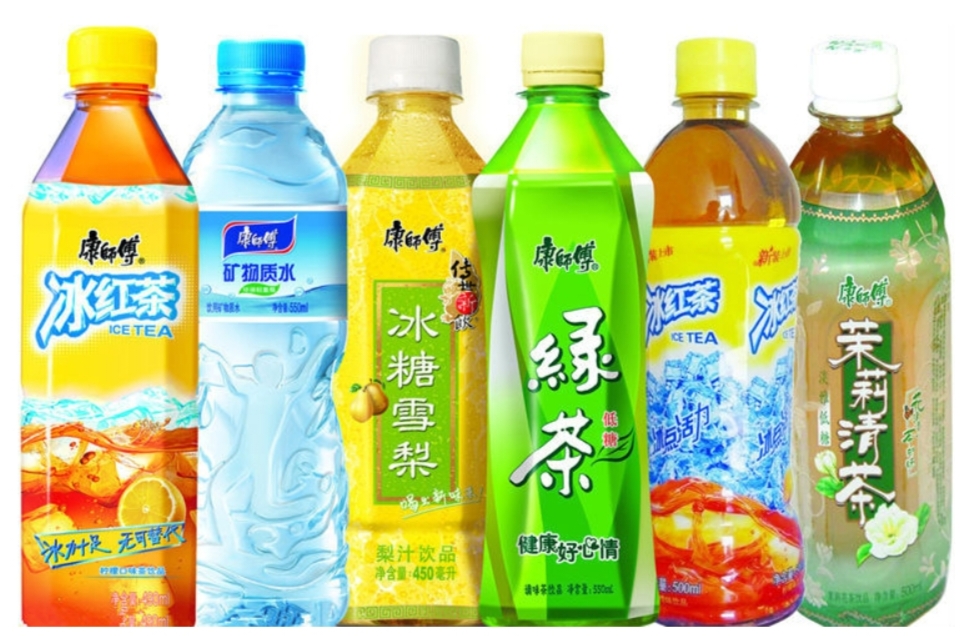
The global packaging industry is undergoing a profound transformation as environmental concerns and consumer awareness continue to rise. Businesses are no longer judged solely by the quality of their products, but also by the sustainability of their packaging. In this evolving landscape, PETG Shrink Film has emerged as a forward-thinking solution that balances performance, aesthetics, and environmental responsibility. This innovative material is rapidly gaining traction as companies search for ways to reduce their ecological footprint while maintaining strong shelf appeal and product protection.
PETG shrink film, known for its clarity, durability, and recyclability, is redefining how brands approach packaging design. It offers a combination of technical advantages and environmental benefits that make it a preferred choice across industries such as food and beverage, cosmetics, pharmaceuticals, and consumer goods. As sustainability becomes a central pillar of business strategy, PETG shrink film is positioning itself at the forefront of next-generation packaging solutions.
Understanding PETG Shrink Film and Its Composition
PETG stands for polyethylene terephthalate glycol-modified, a thermoplastic polyester engineered to offer enhanced flexibility and clarity compared to standard PET. The glycol modification reduces brittleness, making the material easier to process and more adaptable to various packaging applications. When used as a shrink film, PETG can conform tightly to product shapes when heated, creating a secure, visually appealing package.
One of the defining characteristics of PETG shrink film is its high shrink ratio, which allows it to fit complex container geometries with precision. This makes it particularly suitable for full-body shrink sleeves, tamper-evident seals, and multi-pack bundling. The material also offers excellent printability, enabling brands to achieve vibrant, high-resolution graphics that enhance product visibility and brand identity on crowded retail shelves.
Beyond its functional attributes, PETG shrink film stands out for its compatibility with recycling systems. Unlike some traditional shrink materials that contaminate recycling streams, PETG can be designed to integrate more seamlessly with existing recycling processes, supporting circular economy initiatives.
The Sustainability Advantage of PETG Shrink Film
Sustainability is no longer an optional consideration; it is a necessity. PETG shrink film contributes to environmental goals in several important ways. First, it is recyclable, helping reduce the volume of plastic waste that ends up in landfills and oceans. With proper collection and processing systems, PETG materials can be repurposed into new products, extending their lifecycle and conserving resources.
Another key advantage is its lightweight nature. Compared to rigid packaging alternatives, PETG shrink film uses less material while still providing strong protection. This reduction in material usage translates into lower transportation costs and decreased carbon emissions during shipping. By optimizing packaging efficiency, companies can significantly reduce their overall environmental impact.
Additionally, PETG shrink film supports source reduction strategies. Its ability to replace heavier packaging components means fewer raw materials are required in production. This not only conserves natural resources but also minimizes energy consumption during manufacturing. For businesses aiming to meet sustainability targets, PETG shrink film offers a practical and scalable solution.
Enhancing Product Appeal Through Advanced Design
In today’s competitive market, packaging plays a critical role in influencing purchasing decisions. PETG shrink film enables brands to create visually striking packaging that captures consumer attention and effectively communicates value. Its superior clarity keeps products visible, while its smooth surface ensures high-quality printing for detailed graphics and vibrant colors.
Full-body shrink sleeves made from PETG can transform ordinary containers into eye-catching designs. These sleeves provide 360-degree branding opportunities, allowing companies to tell their story, highlight product features, and differentiate themselves from competitors. The flexibility of PETG also allows for innovative shapes and contours, giving designers greater creative freedom.
Moreover, PETG shrink film supports tamper-evident features that enhance consumer trust. In industries such as food and pharmaceuticals, safety is paramount, and PETG’s ability to create secure seals ensures product integrity from production to consumption. This combination of aesthetics and functionality makes PETG an invaluable tool for modern packaging design.
Applications Across Diverse Industries
The versatility of PETG shrink film has led to its widespread adoption across multiple sectors. In the food and beverage industry, it is commonly used for labeling bottles, jars, and cans, providing both branding and protection. Its resistance to moisture and temperature variations ensures that labels remain intact and legible throughout the product’s lifecycle.
In the cosmetics and personal care sector, PETG shrink film is valued for its premium appearance and ability to accommodate complex packaging designs. It allows brands to create luxurious, high-end packaging that aligns with consumer expectations for quality and sophistication. Similarly, in the pharmaceutical industry, PETG is used for tamper-evident seals and protective packaging, ensuring compliance with safety regulations.
Consumer goods manufacturers also benefit from PETG’s durability and flexibility. Whether used for bundling products or for creating promotional packaging, PETG shrink film offers a reliable, cost-effective solution. Its adaptability makes it suitable for both small-scale operations and large-scale production environments.
Supporting the Circular Economy
One of the most significant contributions of PETG shrink film is its role in advancing the circular economy. Traditional linear models of production and disposal are being replaced by systems that prioritize reuse, recycling, and resource efficiency. PETG aligns with this shift by offering a material that can be recovered and reintegrated into the production cycle.
Efforts are underway to improve the recyclability of shrink films, including the development of labels and adhesives compatible with recycling processes. By designing PETG shrink film with end-of-life considerations, manufacturers can ensure their packaging supports sustainable waste management practices.
Collaboration across the value chain is also essential. From material suppliers to brand owners and recycling facilities, stakeholders are working together to create systems that maximize the recovery and reuse of PETG materials. This collective effort is driving innovation and accelerating the transition toward more sustainable packaging solutions.
Challenges and Opportunities in Adoption
While PETG shrink film offers numerous benefits, its adoption is not without challenges. One of the primary concerns is the need for improved recycling infrastructure in certain regions. Without adequate collection and processing systems, the full environmental potential of PETG cannot be realized. Addressing this issue requires investment in recycling facilities and public awareness campaigns to encourage proper waste disposal.
Another challenge is the cost factor. Although PETG offers long-term savings through greater efficiency and reduced material use, the initial investment may be higher than for traditional packaging materials. However, as demand increases and production scales up, costs are expected to become more competitive.
Despite these challenges, the opportunities for PETG shrink film are substantial. Advances in material science are leading to the development of even more sustainable variants, including bio-based and recycled-content PETG. These innovations are expanding the possibilities for eco-friendly packaging and reinforcing PETG’s position as a key player in the industry.
The Future of Sustainable Packaging with PETG
Looking ahead, the role of PETG shrink film in sustainable packaging is set to grow. As regulatory pressures and consumer expectations continue to evolve, businesses will need to adopt materials that align with environmental standards and corporate responsibility goals. PETG’s combination of performance, recyclability, and design flexibility makes it well-suited to meet these demands.
Technological advancements will further enhance the capabilities of PETG shrink film. Improved recycling technologies, increased use of recycled content, and innovations in biodegradable additives are all contributing to a more sustainable future. These developments will enable companies to reduce their environmental impact while maintaining high standards of quality and functionality.
Furthermore, the integration of smart packaging features, such as QR codes and interactive labels, is opening new avenues for consumer engagement. PETG’s excellent printability makes it an ideal medium for incorporating these technologies, allowing brands to connect with consumers in meaningful ways.
Conclusion: A Sustainable Path Forward
The shift toward sustainable packaging is not just a trend; it is a fundamental change in how products are designed, manufactured, and delivered. PETG shrink film and Bopet Twist Film represent a powerful solution that addresses the challenges of modern packaging while supporting environmental goals. Its unique combination of durability, clarity, and recyclability makes it an essential component of next-generation packaging strategies.
As industries continue to prioritize sustainability, PETG shrink film will play a crucial role in shaping the future of packaging. By embracing this innovative material, businesses can reduce their environmental footprint, enhance their brand image, and contribute to a more sustainable world. The journey toward eco-friendly packaging is ongoing, but with solutions like PETG shrink film, the path forward is clearer than ever.
