

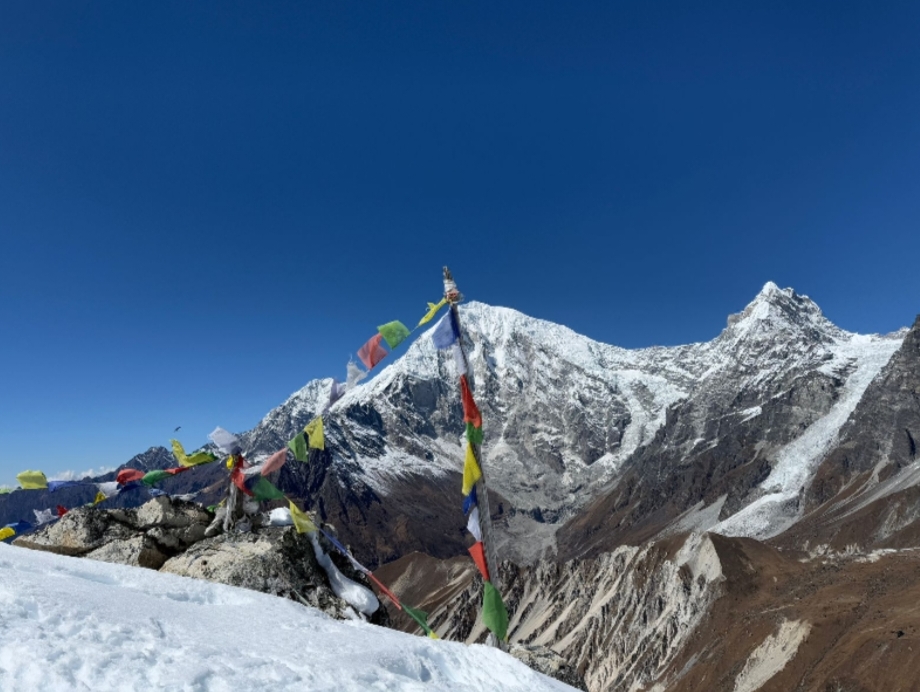
Up high near Everest, groups gather, pulled by towering mountains, village ways, and sharp climbs resembling routes to base camp. Past five thousand meters in the Himalayan stretch, breath thins while surprise weather cuts across uneven terrain. Guidance becomes essential – steadiness matters most once tracks disappear beneath snowfall or mist swallows the trail quickly. This role frequently keeps expeditions intact through choices taken low-key yet resolute every morning.
Choosing right involves looking at old journeys, how they handle stress, actual outdoor ability – never only trusting printed promises. Quiet strength lives in tiny acts instead of loud claims – like how a leader slows down when others rush. Watching weather shifts matters more than maps sometimes. Words stay sparse because ears work better that way. Success arrives through prep done weeks earlier, well ahead of any first step on the rock.
Check Licenses and Certifications
Right off the start, you look into a trek leader’s qualifications. Permits generally come through Nepal’s tourism authorities for Everest guides. Their preparation includes route planning, injury care, altitude control, trail safety – certifications confirm these skills exist. Guides with up-to-date documents are more likely to stick to set procedures. Solid support along the journey ties directly to how well that individual follows accepted rules.
High Altitude Trekking Experience Check
Truth is, it shows in their steps. Time spent up there shapes choices fast – when breath slows, clouds close in, plans shift without warning. Only those who’ve done it repeatedly spot the unmarked turns, the quiet places to pause. Knowing where locals welcome travelers isn’t learned from maps. What travelers need becomes clear only after time spent watching them move through thin air. Not guessing helps here – experience teaches how lungs adjust above the tree line.
When survival hinges less on tools, more on choices once faced in a storm or the dark. A path seems calmer if footsteps have pressed it down long ago. Less shock each morning cuts the weight carried forward, slowly. Step by step, their quiet influence changes the weight of progress – grounded, present, still. Not just shaping survival, it colors the very texture of effort, felt bone-deep.
Evaluate Knowledge of the Everest Region
Out here, knowing every ridge near Everest tells you one thing: this guide has been around. Routes twist through high passes, villages cling to slopes, old stones mark sacred spots – these details stick close. Each morning’s start builds on what lies ahead, step by step, tale after tale woven in. Weather turns sharp sometimes, trails turn heavy; those with memory in their boots stay steady. Ground truth matters when trouble shows up without warning. Reading the land like a familiar face means choices come quicker. This knowledge? It does more than help – it proves someone is truly prepared.
Check safety and emergency response skills.
Out on the ridge above Everest, guides handle danger by staying sharp. If trouble hits – say, low oxygen, a slip, or sudden winds – how they respond can change everything. Under pressure, fast choices show who truly knows their role. When rescue is hours off, knowing how to treat injuries makes all the difference. Should things go wrong, radios or satellite phones could be along for the trip. The safety of the team hinges entirely on each guide’s choices in gear.
Communication and Leadership Check
Communication skills often define a trek leader’s effectiveness. When daily plans are broken down plainly, understanding improves – particularly around altitude warnings or what to do in crises. Calm speech helps maintain group momentum, particularly when some fall behind. Emotions shift along the path; humor now and then eases the pressure that mounts over miles. Listening closely shows if clarity strengthens or problems multiply as days pass.
Check physical fitness and stamina
Up top near Everest Base, trails chew through rock and ice for long stretches – guides must carry strength just to stay moving. Rhythm shifts fall to them, making sure a solid pace cuts through low oxygen while others push past steep hurdles. Their endurance tested early proves one thing: the whole trip holds firm when safety rides on steady legs behind every step.
Local and Cultural Knowledge Check
Ever since stories spread about climbing Everest, folks sharing daily life among Sherpas shifted how others view the path up. Those familiar with routines in high valleys often change what walkers expect along the way. Suddenly, small choices – how food is carried, when prayers are said – feel more visible to those passing through. Understanding customs doesn’t just fill time between camps; it alters attention. Instead of only watching steps ahead, travelers notice rhythms rooted deep below boots.
How Problems Get Solved, and Decisions Happen
Out in the wild, hiccups show up – delays, weather turns. When trouble hits, strong guides adapt without rushing. Calm wins over chaos, especially when picking paths mid-crisis. A past call during whiteout conditions reveals more than any resume ever could. Sharp decisions matter most where help is far. Right moves come fast, no second guesses.
Evaluate Group Management Skills
Behind the slowest walker, the line holds steady even when some tire faster than others. Since rests may stretch longer for certain people, pausing at the right moment weighs just as heavily as pushing ahead. If friction sparks between two on the path, a quiet move can smooth things before eyes turn. Moods shift fast; watching them closely stops tiny ripples from splitting the whole group. What sticks in memory after boots come off depends largely on who stepped up when it got tense.
See What Others Mention About You
Back from long walks, folks often say what they really think. Praise for a guide? That typically follows smooth handling out in the wild. Safety comes up when actions match responsibility. In hard times, how plainly a leader speaks becomes obvious through repeated remarks. True ability stands out quiet-like, without needing to shout. Skill shows best not by talking, but simply by being seen.
Adjusting to Changing Situations
Up close to Everest, snow can arrive out of nowhere. Should the trail change beneath boots, sharp judgment beats fixed plans every time. Taking a different route that day may require careful steps across frozen ground. Reversing course early, even short of camp, sometimes fits the moment. When leaders act fast, safety follows. Storms move quickly – choices must too.
Conclusion
Start by checking the guide’s background before joining any Everest trip. When leaders lack proper credentials, confidence fades quickly. Time spent high in the mountains teaches steady choices during blizzards or low-oxygen moments. Carrying medical gear counts less unless they truly understand emergency care – it reveals actual preparedness. When storms hit out of nowhere, speaking plainly keeps each person on the same page.
Because culture runs strong in certain places, knowing unwritten rules prevents awkward moves. If a trail shuts down suddenly, staying loose allows space for another way through. Instead of raising voices, real leaders calm tension by showing steady belief. That kind of support changes pressure into purpose. Most folks set bigger goals each year, which quietly changes what comes next. Starting strong happens way before lacing up on icy ground – effort shows up early.
