

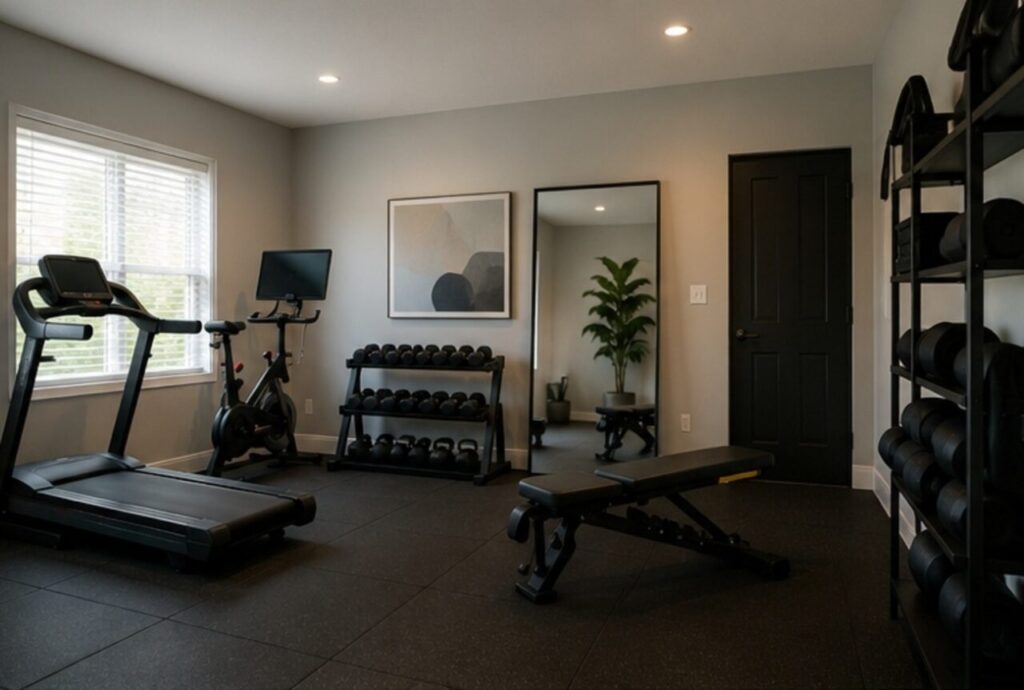
Setting up a home gym sounds exciting until you’re faced with hundreds of products that all promise amazing results. Do you need a squat rack? Is a treadmill worth the space? Should you start with free weights or machines?
The truth is that the best home gym isn’t the biggest one. It’s the one that fits your goals, your available space, and your routine. Choosing quality equipment from the start can make workouts more enjoyable and help you stick with your fitness plan for years instead of months.
Start With Your Fitness Goals
Before adding equipment to your shopping cart, ask yourself one simple question: what do you actually enjoy doing?
If your focus is improving cardiovascular health, machines like treadmills, rowing machines, exercise bikes, or ellipticals deserve the most attention. If building strength is your priority, adjustable benches, dumbbells, barbells, and power racks often provide the best long-term value.
Many people try to prepare for every possible workout on day one. That usually leads to unused equipment collecting dust. Instead, build around the exercises you’ll genuinely perform.
Buy Equipment That Can Grow With You
Your fitness level won’t stay the same forever. Equipment that allows you to increase resistance or add new exercises will continue to challenge you as you improve.
Look for features such as:
- Adjustable weight systems
- Multi-function training stations
- Durable construction
- Comfortable adjustments for different users
- Expandable accessories
These features help your investment last much longer than equipment you’ll quickly outgrow.
Don’t Ignore Available Space
A common mistake is measuring only the floor area. You also need room to move safely around each machine.
Think about:
Ceiling Height
If you plan on using power racks or overhead presses, make sure you have enough clearance.
Walking Space
Leave enough room to comfortably get on and off cardio equipment and perform exercises without feeling cramped.
Storage
Weight plates, resistance bands, kettlebells, and accessories should have designated storage to keep your workout area organized.
Planning your layout before purchasing equipment helps avoid expensive surprises later.
Quality Often Costs Less in the Long Run
Budget equipment can seem attractive at first, but lower-quality materials often wear out quickly with regular use.
Frames that wobble, unstable benches, and poorly designed moving parts can reduce confidence during training and require replacement much sooner than expected.
If you’re researching different categories of premium fitness equipment, it’s worth comparing build quality, warranty coverage, and available product ranges rather than focusing only on the initial purchase price. Many suppliers now offer equipment suited for beginners, serious home gyms, and commercial training facilities alike.
Choose Versatile Equipment First
When you’re starting from scratch, versatility gives you the most value.
Some of the most useful additions include:
Adjustable Dumbbells
Instead of buying multiple pairs, adjustable systems let you perform dozens of exercises while saving significant space.
Adjustable Bench
A quality bench opens up presses, rows, shoulder work, step-ups, and many other movements.
Resistance Bands
Bands are inexpensive, portable, and excellent for mobility work, warm-ups, and strength training.
Cardio Machine
Pick something you’ll actually enjoy using. Some people love running, while others prefer cycling or rowing. Consistency matters far more than choosing the “perfect” machine.
Think Beyond Today’s Motivation
Everyone feels motivated when new equipment arrives.
The real question is whether you’ll still be excited to use it six months later.
Creating a comfortable training environment makes a surprising difference. Good lighting, proper flooring, ventilation, and enough room to move can turn workouts into something you look forward to instead of another task on your schedule.
Small details like keeping water nearby or organizing accessories neatly also remove tiny barriers that often lead to skipped workouts.
Maintenance Protects Your Investment
Even high-quality equipment benefits from regular care.
Simple habits include:
- Tightening bolts periodically
- Cleaning sweat after each workout
- Lubricating moving parts when recommended
- Inspecting cables and attachments
- Keeping equipment free from dust
A few minutes of maintenance every month can extend the lifespan of your equipment considerably.
Build Your Gym One Step at a Time
Many impressive home gyms weren’t purchased all at once. They grew gradually as their owners discovered new training interests and priorities.
Start with the essentials that support your current goals. Once you’ve established a consistent routine, you’ll have a much clearer idea of what additional equipment would genuinely improve your workouts.
A thoughtfully planned home gym doesn’t need to be enormous or filled with every machine available. It simply needs reliable equipment, enough space to train comfortably, and a setup that encourages you to come back for your next workout.
