

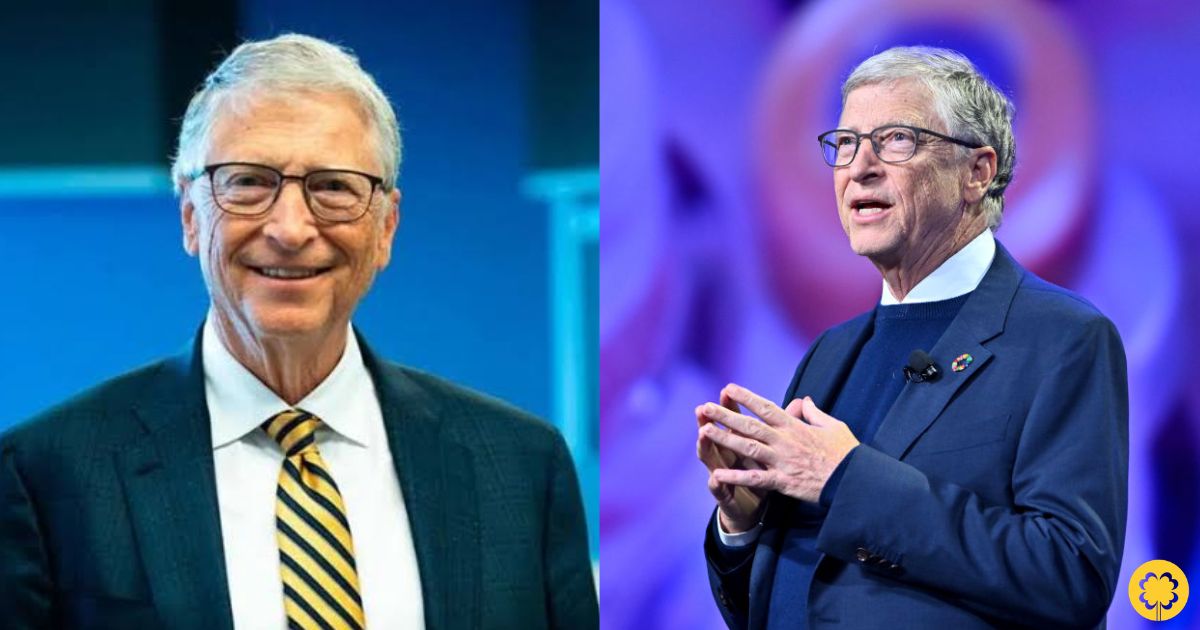
Bill Gates net worth continues to capture global attention because the Microsoft founder transformed a small software company into one of the world’s most valuable businesses. As of 2026, his fortune remains above $120 billion despite decades of generous giving. Unlike many billionaires, Bill Gates has intentionally reduced his wealth through massive charitable efforts while growing his Bill Gates investments and diversified investment portfolio.
His financial journey reflects innovation, smart investing, and long-term planning rather than luck. This guide explores Bill Gates net worth, his career, income sources, philanthropy, luxury assets, and the key decisions that helped him build one of the greatest fortunes in modern history.
Bill Gates Net Worth in 2026
Understanding Bill Gates net worth requires looking beyond a single number. His wealth changes regularly because the value of his investments rises and falls with financial markets. According to respected financial trackers such as the Forbes Real-Time Billionaires List and the Bloomberg Billionaires Index, his net worth estimate remains well above $100 billion in 2026. Even after decades of generous giving, the Bill Gates billionaire status remains secure because of strong returns from Microsoft shares, diversified investments, and long-term financial planning. His story proves that creating wealth is one challenge, while preserving it across decades is another.
Unlike many billionaires who focus mainly on expanding their fortunes, Bill Gates has deliberately reduced his Bill Gates wealth through massive charitable donations. That choice explains why his position in the global wealth ranking has gradually fallen over the years. Instead of chasing the title of the world’s richest man, he has publicly stated that he plans to give away nearly all of his fortune. Even so, Bill Gates fortune 2026 continues to rank among the largest personal fortunes ever created, making him one of the richest people in the world.
What Is Bill Gates’ Net Worth in 2026?
The latest Bill Gates net worth 2026 is widely estimated at around $124 billion, although the figure changes almost every day. Market movements, company valuations, and investment performance all influence his total wealth. Since much of his money is invested rather than held as cash, even small changes in stock prices can add or erase billions within days.
How Forbes and Bloomberg Calculate Bill Gates’ Wealth
Financial organizations such as the Forbes Real-Time Billionaires List and the Bloomberg Billionaires Index estimate wealth by analyzing public company ownership, private businesses, real estate, investment funds, and other financial assets. They also consider debt and ownership changes before publishing updated rankings. These estimates provide the most reliable picture of the Bill Gates financial portfolio, although exact values remain private.
Bill Gates’ Current Global Billionaire Ranking
Over the years, Bill Gates has moved down the global billionaire ranking because of his enormous donations rather than poor financial performance. New technology leaders have also created massive fortunes, increasing competition among the world’s wealthiest people. As a result, he now usually appears outside the top five despite remaining one of history’s most successful billionaire entrepreneurs.
Net Worth Growth and Decline Over the Years
The table below shows how Bill Gates fortune has evolved over time.
| Year | Estimated Net Worth | Major Reason for Change |
| 2000 | Around $60 Billion | Rapid growth of Microsoft |
| 2010 | Around $53 Billion | Donations and investment diversification |
| 2020 | Around $118 Billion | Rising technology markets |
| 2023 | Around $117 Billion | Continued philanthropic spending |
| 2026 | Around $124 Billion | Investment growth despite continued giving |
The biggest reason behind the gradual wealth decline is not business failure. Instead, it reflects one of the largest charitable commitments ever made by an individual. Few billionaires have voluntarily transferred so much of their personal fortune to improve global health, education, and poverty reduction.
Quick Biography of Bill Gates
The remarkable story behind Bill Gates net worth begins long before Microsoft Corporation became a household name. Born in Seattle, Washington, Bill Gates displayed exceptional curiosity from a young age. He loved solving problems and quickly became fascinated by computers when very few people even understood their potential. His passion eventually turned into a lifelong mission to place a computer on every desk and in every home. That vision transformed the technology industry forever.
Today, Bill Gates is recognized not only as a successful businessman but also as a respected billionaire philanthropist. His influence extends far beyond software because his work now focuses heavily on healthcare, education, climate innovation, and global philanthropy. Although many people know him as the Microsoft cofounder, his legacy also includes becoming one of the world’s leading supporters of scientific research and humanitarian causes.
Early Life and Family Background
Bill Gates was born on October 28, 1955, in Seattle, Washington. His father was a prominent attorney, while his mother served on several corporate and nonprofit boards. Their encouragement helped develop his confidence, competitive spirit, and passion for learning. Even as a teenager, he showed unusual talent in mathematics and computer programming.
Education and Harvard Years
After graduating from Lakeside School, Bill Gates enrolled at Harvard University. Although he excelled academically, he realized that the growing computer revolution offered a once-in-a-lifetime opportunity. He left Harvard before completing his degree to build Microsoft alongside Paul Allen. That bold decision eventually changed personal computing forever.
Personal Information at a Glance
| Information | Details |
| Full Name | Bill Gates |
| Birth Name | William Henry Gates III |
| Date of Birth | October 28, 1955 |
| Age (2026) | 70 Years |
| Birthplace | Seattle, Washington, USA |
| Nationality | American |
| Profession | Businessman, Investor, Author, Philanthropist |
| Known For | Microsoft founder |
| Company | Microsoft Corporation |
| Estimated Bill Gates net worth | Around $124 Billion (2026) |
| Major Investment Firm | Cascade Investment |
| Former Spouse | Melinda French Gates |
| Children | Three |
| Foundation | Gates Foundation |
Marriage, Children, and Personal Life
For nearly three decades, Bill Gates and Melinda French Gates built one of the world’s most influential charitable partnerships. Their 2021 divorce settlement attracted global attention because of the enormous value of the assets involved. Despite ending their marriage, both continued supporting important humanitarian initiatives. Bill Gates also remains close to his three children and has repeatedly said that he plans to leave them only a small portion of his Bill Gates fortune, believing they should build their own success rather than inherit unlimited wealth.
The personal choices made by Bill Gates reflect the same philosophy seen throughout his career. Instead of measuring success only through money, he focuses on long-term impact. That mindset continues to shape his Bill Gates investments, Bill Gates income, Bill Gates earnings, Bill Gates assets, Bill Gates business empire, investment portfolio, business investments, and ongoing commitment to Bill Gates philanthropy, Bill Gates donations, Bill Gates charity, the Bill Gates Foundation, and the Bill Gates giving pledge. These efforts have made him famous not only for creating wealth but also for using it to solve some of the world’s biggest challenges.
How Bill Gates Made His Fortune

The story behind Bill Gates net worth begins with one bold decision. Instead of finishing college, Bill Gates chose to chase a fast-growing opportunity in personal computing. At the time, very few people believed computers would become part of everyday life. He saw the future before almost anyone else. That vision helped him build one of the world’s most valuable companies and laid the foundation for an extraordinary Bill Gates fortune. His success didn’t happen overnight. It came from years of innovation, calculated risks, and an ability to stay ahead of competitors.
While many people think Bill Gates wealth came only from Microsoft, that tells only part of the story. The software company made him rich, yet smart investing made him even wealthier. Over several decades, he diversified his holdings, reduced his dependence on Microsoft stock, and built a broad collection of profitable businesses. Today, Bill Gates income comes from multiple sources, making his financial position stronger and more stable than relying on a single company.
Founding Microsoft with Paul Allen
In 1975, Bill Gates and his childhood friend Paul Allen founded Microsoft after recognizing that personal computers would soon become essential for businesses and homes. Their first major breakthrough came when they created software for the Altair 8800 computer. That success convinced them to leave behind traditional career paths and focus entirely on software development. It proved to be one of the smartest business decisions in modern history.
Microsoft’s Rise to Global Dominance
During the 1980s and 1990s, Microsoft Corporation became the dominant force in personal computing. Products such as MS-DOS and Windows turned millions of computers into Microsoft-powered machines. As demand exploded across homes, schools, and businesses, company profits soared. This rapid expansion transformed Bill Gates into the world’s richest man for many years and established Microsoft as a true software titan of the technology industry.
Microsoft Stock and Wealth Creation
One of the biggest reasons behind Bill Gates net worth 2026 is his early ownership of Microsoft shares. Because he owned a significant percentage of the company during its fastest growth years, the value of his stock holdings increased dramatically after the company went public in 1986. Although he has sold or donated many shares over time, those early gains created a financial foundation that continues to support his enormous personal fortune.
Business Decisions That Changed the Tech Industry
Bill Gates understood that software would become more valuable than hardware. Instead of manufacturing computers, Microsoft focused on creating operating systems that could run on many different machines. That strategy allowed the company to grow rapidly while reaching customers worldwide. It also strengthened equity ownership, increased long-term capital gains, and helped create one of the most influential business empires in history.
Timeline of Bill Gates’ Financial Journey
| Year | Major Milestone | Financial Impact |
| 1975 | Founded Microsoft | Began building wealth |
| 1986 | Microsoft IPO | Massive increase in company valuation |
| 1995 | Became the world’s richest man | Global financial recognition |
| 2000 | Shifted focus toward philanthropy | Reduced daily role at Microsoft |
| 2008 | Left full-time Microsoft work | Increased focus on investments |
| 2026 | Diversified global investor | Wealth driven by multiple assets |
Why Bill Gates’ Net Worth Has Declined Over the Years
Many people wonder why Bill Gates net worth no longer ranks at the very top. The answer is surprisingly simple. His wealth decline has little to do with poor investments or business losses. Instead, he has voluntarily transferred tens of billions of dollars to charitable causes. Unlike many billionaires who focus on growing their fortunes indefinitely, Bill Gates believes wealth should solve real-world problems. His philosophy has reshaped his financial legacy and changed how people measure success.
Another major factor involves changes in ownership. Over the years, Bill Gates reduced his stake in Microsoft while expanding his broader investment portfolio. He also experienced a high-profile divorce settlement with Melinda French Gates, which redistributed part of his financial assets. Even after these events, he remains among the world’s wealthiest people because his investments continue generating impressive long-term returns.
Billions Donated to Charity
Perhaps no billionaire has given away as much money as Bill Gates. Through Bill Gates philanthropy, he has committed tens of billions of dollars toward fighting diseases, improving education, reducing poverty, and expanding access to vaccines. These charitable donations have reduced his Bill Gates fortune 2026, yet they have also strengthened his reputation as one of history’s greatest billionaire philanthropists.
The Impact of His Divorce Settlement
The 2021 separation between Bill Gates and Melinda French Gates became one of the largest financial separations ever recorded. Their divorce settlement included billions of dollars in transferred assets, although much of their charitable work continued afterward. Even after the settlement, both remained committed to supporting the Gates Foundation and other humanitarian projects.
Changes in Microsoft Share Ownership
During the early years of Microsoft, Bill Gates owned a much larger percentage of the company. Over time, he gradually sold shares, donated stock, and diversified into other investments. As a result, Microsoft shares now represent only part of his total Bill Gates financial portfolio. This strategy lowered investment risk while creating opportunities in industries beyond software.
Why Bill Gates Keeps Giving Away His Fortune
Unlike many members of the global billionaire ranking, Bill Gates has repeatedly said he does not want to die rich. Together with Warren Buffett, he launched the Giving Pledge, encouraging wealthy individuals to donate most of their fortunes during their lifetimes. His commitment to global philanthropy, Bill Gates charity, and Bill Gates giving pledge shows that he views money as a tool for improving lives rather than simply increasing wealth.
Major Reasons Behind Bill Gates’ Wealth Changes
| Factor | Effect on Bill Gates net worth |
| Philanthropic spending | Reduced personal wealth by tens of billions |
| Charitable foundation giving | Lowered overall fortune while increasing global impact |
| Divorce settlement | Redistributed part of his financial assets |
| Selling Microsoft shares | Increased diversification beyond Microsoft |
| Growth of Cascade Investment | Created new long-term income streams |
| Rising value of business investments | Helped offset charitable giving |
| Market fluctuations | Changed daily net worth estimate |
Although Steve Ballmer net worth recently surpassed that of Bill Gates, the comparison tells only part of the story. Steve Ballmer wealth benefited from holding a larger percentage of Microsoft stock for many years, while Bill Gates intentionally donated much of his fortune. This billionaire wealth comparison highlights two very different financial strategies. One focused on maximizing wealth. The other prioritized long-term social impact. That difference explains why the Microsoft successor now ranks above the former richest man in some global wealth lists, even though Bill Gates remains one of the most influential figures in modern business history.
Bill Gates’ Investment Portfolio
Building Bill Gates net worth did not stop after Microsoft became a global success. In fact, some of his smartest financial moves came after stepping away from the company’s daily operations. Rather than keeping all his wealth in one business, Bill Gates created a diversified investment portfolio that spans technology, energy, transportation, consumer goods, agriculture, and real estate. This strategy protects his fortune from market swings while creating reliable long-term growth. It also explains why Bill Gates wealth continues to increase despite giving away billions of dollars.
Today, Bill Gates investments generate a significant share of his annual income. Instead of relying solely on Microsoft stock, he owns interests in many industries through Cascade Investment, his private investment company. This approach reflects careful wealth management rather than speculation. By spreading money across different sectors, he reduces risk while positioning his Bill Gates financial portfolio for steady returns over many years.
Cascade Investment Explained
One of the least publicized parts of Bill Gates fortune is Cascade Investment. Established in the mid-1990s, this private investment firm manages much of his wealth outside Microsoft. It oversees billions of dollars in business investments, allowing Bill Gates to invest in industries that extend far beyond software. Unlike a traditional hedge fund, Cascade Investment focuses on long-term ownership instead of short-term trading, which aligns with Gates’ patient investment philosophy.
Top Public Company Investments
Over the years, Bill Gates has invested in several well-known public companies across multiple industries. Although the exact portfolio changes over time, his investments often include businesses involved in railroads, waste management, beverages, hospitality, and industrial manufacturing. These holdings provide stability because they operate in different parts of the economy. This diversified strategy reduces dependence on technology while producing reliable dividend income and long-term capital gains.
Private Investments and Strategic Holdings
Beyond public companies, Bill Gates also invests in private businesses and emerging technologies. His interests include clean energy, healthcare innovation, biotechnology, and artificial intelligence. These investments support both financial growth and scientific progress. Rather than chasing short-lived trends, he prefers companies solving real-world problems with long-term potential.
Real Estate, Farmland, and Alternative Assets
Another major contributor to Bill Gates assets is his impressive collection of land and property. He owns valuable homes, commercial properties, and thousands of acres of farmland across the United States. Many experts consider Bill Gates real estate holdings among the largest owned by any private individual. These assets not only increase his overall wealth but also provide additional protection against inflation and economic uncertainty.
Major Components of Bill Gates’ Investment Portfolio
| Investment Category | Examples | Purpose |
| Microsoft shares | Remaining ownership in Microsoft Corporation | Long-term growth |
| Cascade Investment | Private investment company | Portfolio management |
| Public Companies | Railroads, hospitality, beverages | Stable returns |
| Real Estate | Luxury homes and commercial property | Asset appreciation |
| Farmland | Agricultural land across the U.S. | Long-term investment |
| Private Ventures | Healthcare and clean energy | Future growth opportunities |
One reason Bill Gates net worth 2026 remains so strong is his disciplined approach to investing. Instead of concentrating all his wealth in one sector, he builds balance across many industries. That strategy has helped preserve his financial assets through economic booms, recessions, and changing market conditions. It also demonstrates why experienced investors often view diversification as one of the smartest paths to lasting financial success.
Bill Gates vs Other Billionaires

The race among the richest people in the world changes almost every week. Stock prices rise and fall, businesses expand, and investment values shift daily. As a result, the global wealth ranking constantly evolves. Although Bill Gates once held the title of world’s richest man for many years, newer technology leaders have climbed higher in recent rankings. Even so, his financial achievements remain among the greatest in history because his fortune was built over decades rather than through short-term market gains.
Comparing billionaire fortunes also requires understanding their different strategies. Some focus almost entirely on growing wealth, while others dedicate large portions of their fortunes to charity. Bill Gates belongs to the second group. His extensive philanthropic spending has reduced his personal wealth, yet it has increased his global influence. This makes every billionaire wealth comparison more complicated than simply comparing total dollars.
Bill Gates vs Steve Ballmer Net Worth
The comparison between Bill Gates and Steve Ballmer has become one of the most talked-about stories in modern finance. Steve Ballmer, the longtime CEO and Microsoft successor, retained a larger percentage of Microsoft shares than Gates after leaving the company. As Microsoft’s stock continued climbing, Steve Ballmer net worth eventually surpassed Gates’ fortune. This shift reflected different financial choices rather than differences in business success.
Bill Gates vs Elon Musk
Elon Musk built his fortune through electric vehicles, space exploration, and artificial intelligence. His wealth depends heavily on the market value of companies such as Tesla and SpaceX, making it more volatile than Gates’ diversified holdings. While Musk often tops the billionaire ranking, Bill Gates relies on a broader mix of investments that provides greater long-term stability.
Bill Gates vs Jeff Bezos
Like Gates, Jeff Bezos became one of the world’s richest people by creating a technology giant. Amazon transformed online shopping just as Microsoft transformed personal computing. Although Bezos often ranks ahead in total wealth, Gates continues to stand out because of his enormous charitable contributions and diversified investment portfolio.
Bill Gates vs Warren Buffett
The friendship between Bill Gates and Warren Buffett has shaped modern philanthropy. Buffett built his fortune through Berkshire Hathaway, while Gates created his wealth through software and investing. Both men share similar beliefs about long-term investing, responsible capitalism, and giving back. Their partnership eventually led to the creation of the Giving Pledge, encouraging billionaires to donate most of their fortunes.
Who Is Richer in 2026?
The answer changes frequently because stock markets move every day. According to the latest estimates from the Forbes Real-Time Billionaires List and the Bloomberg Billionaires Index, leaders such as Elon Musk and Jeff Bezos often rank ahead of Bill Gates. Meanwhile, Steve Ballmer wealth has occasionally placed him above Gates due to the exceptional performance of Microsoft stock. Even so, Bill Gates billionaire status remains secure, and his Bill Gates fortune 2026 continues to exceed $100 billion.
Billionaire Wealth Comparison (2026 Estimates)
| Billionaire | Primary Wealth Source | Estimated Position* |
| Elon Musk | Tesla, SpaceX | Top Global Ranking |
| Jeff Bezos | Amazon | Among Top Billionaires |
| Steve Ballmer | Microsoft shares | Often Above Gates |
| Bill Gates | Microsoft, Cascade Investment, diversified investments | Among the World’s Richest |
| Warren Buffett | Berkshire Hathaway | Top Global Investor |
Positions change regularly based on market performance and updated wealth estimates.
Although rankings receive enormous media attention, they do not tell the complete story. Bill Gates business empire extends beyond financial success. His influence reaches healthcare, education, climate research, and scientific innovation through the Bill Gates Foundation. While other billionaires may temporarily rank higher on wealth lists, few have reshaped both business and philanthropy on the same scale as Bill Gates.
Bill Gates’ Philanthropy and the Gates Foundation
One of the most remarkable parts of Bill Gates net worth is not how much money he earned but how much he has given away. Unlike many wealthy entrepreneurs who focus only on growing their fortunes, Bill Gates believes that great wealth comes with great responsibility. Over the past two decades, he has donated tens of billions of dollars to improve healthcare, reduce poverty, fight infectious diseases, and expand educational opportunities around the world. These efforts have made him one of history’s most respected billionaire philanthropists.
Even after contributing enormous sums through Bill Gates philanthropy, he remains one of the world’s wealthiest people. His charitable work shows that financial success and generosity can exist together. Although Bill Gates donations have reduced his overall Bill Gates wealth, they have strengthened his legacy far beyond the business world. Today, many experts believe his humanitarian impact may ultimately become even more important than his achievements as the Microsoft founder.
The Bill & Melinda Gates Foundation
Founded in 2000, the Gates Foundation has become one of the world’s largest private charitable organizations. Originally established by Bill Gates and Melinda French Gates, the foundation focuses on improving global health, reducing poverty, supporting scientific research, and expanding educational opportunities. Through strategic partnerships with governments, universities, and nonprofit organizations, the foundation has invested billions of dollars to address some of humanity’s biggest challenges.
Global Health and Education Initiatives
Much of Bill Gates charity work focuses on saving lives in developing countries. The foundation has supported vaccination programs, disease prevention, agricultural innovation, and maternal healthcare. It also funds scholarships, teacher development, and education technology to help students achieve better outcomes. These long-term investments aim to create lasting improvements rather than temporary solutions.
The Giving Pledge and Billionaire Donations
In 2010, Bill Gates and Warren Buffett launched the Giving Pledge, encouraging wealthy individuals to donate most of their fortunes during their lifetimes or through their estates. Hundreds of billionaires have since joined the initiative. The pledge has become one of the most influential movements in modern global philanthropy, inspiring business leaders across many countries to increase their charitable giving.
How Philanthropy Changed Bill Gates’ Net Worth
The impact of Bill Gates giving pledge is clearly visible in his financial journey. His extensive charitable donations and ongoing philanthropic spending have reduced his Bill Gates fortune by tens of billions of dollars. Yet these contributions have not weakened his financial stability because his diversified investments continue generating strong returns. Instead of chasing a higher wealth ranking, Gates has chosen to measure success by the lives his work improves.
Major Areas Supported by the Gates Foundation
| Focus Area | Purpose | Global Impact |
| Global Health | Vaccines, disease prevention, medical research | Millions of lives improved |
| Education | Scholarships, schools, teacher training | Better learning opportunities |
| Agriculture | Farming innovation and food security | Increased crop productivity |
| Poverty Reduction | Economic development programs | Stronger communities |
| Climate Innovation | Clean energy and sustainability | Long-term environmental solutions |
The influence of Bill Gates Foundation extends far beyond financial contributions. By supporting scientific research and encouraging international cooperation, the organization has helped accelerate progress in medicine, agriculture, and education. This commitment has transformed Bill Gates from a successful tech billionaire into one of the world’s most influential humanitarian leaders.
Bill Gates’ Luxury Lifestyle and Assets
Despite possessing one of the largest fortunes ever created, Bill Gates lives a lifestyle that many people describe as surprisingly practical. He certainly enjoys luxury, yet he rarely seeks attention through extravagant spending. Instead, most of his purchases combine comfort, technology, and long-term value. His collection of homes, aircraft, artwork, and land reflects careful planning rather than impulsive buying. These valuable possessions form an important part of Bill Gates assets and contribute to the strength of his overall financial portfolio.
Although his wealth allows him to purchase almost anything, Bill Gates often focuses on experiences, learning, and innovation instead of flashy displays of luxury. Even his most famous home showcases advanced technology and environmental design rather than unnecessary extravagance. This balanced approach reflects the same thoughtful decision-making that helped him build one of history’s largest fortunes.
Bill Gates’ Mansion (Xanadu 2.0)
Perhaps the most famous property owned by Bill Gates is his waterfront mansion near Seattle, commonly known as Xanadu 2.0. Covering more than 66,000 square feet, the home features advanced smart technology, an impressive library, indoor and outdoor swimming pools, guest accommodations, and breathtaking views of Lake Washington. Despite its size, the property emphasizes comfort, efficiency, and innovation rather than excessive decoration.
Real Estate Portfolio
Beyond his primary residence, Bill Gates real estate portfolio includes valuable homes, commercial properties, and thousands of acres of farmland throughout the United States. These investments provide diversification while preserving long-term wealth. His farmland holdings alone have attracted widespread attention because they make him one of the country’s largest private agricultural landowners.
Private Jets and Luxury Travel
Like many global business leaders, Bill Gates private jet ownership allows him to travel efficiently between meetings, conferences, and humanitarian projects. Private aviation saves valuable time and provides greater flexibility than commercial flights. While some critics view private jets as symbols of luxury, Gates has explained that they also support his demanding international schedule.
Car Collection and Other Valuable Assets
Unlike some collectors who own hundreds of vehicles, Bill Gates has maintained a relatively modest car collection. Over the years, he has owned several high-performance sports cars, luxury sedans, and environmentally friendly vehicles. His broader collection of financial assets also includes artwork, rare books, and valuable collectibles that continue appreciating over time.
Overview of Bill Gates’ Major Luxury Assets
| Asset Category | Notable Examples | Importance |
| Primary Residence | Xanadu 2.0, Seattle | Luxury home with advanced technology |
| Bill Gates real estate | Homes, farmland, commercial properties | Long-term asset growth |
| Bill Gates private jet | Business aircraft | Efficient global travel |
| Art Collection | Historic paintings and sculptures | Alternative investment |
| Rare Books | Historic manuscripts | Cultural and financial value |
| Luxury Vehicles | Sports and premium cars | Personal collection |
While these possessions are impressive, they represent only a small fraction of Bill Gates net worth 2026. The majority of his wealth remains invested through Cascade Investment, Microsoft shares, and other diversified holdings. This balanced strategy ensures that his lifestyle remains sustainable while his investments continue generating long-term growth. More importantly, it allows Bill Gates to dedicate substantial resources to innovation, healthcare, education, and charitable work without compromising his financial future.
Bill Gates’ Income Sources Beyond Microsoft
Although Microsoft created the foundation of Bill Gates net worth, it is no longer his only source of income. Over the years, he built a highly diversified financial system that continues generating billions of dollars. Today, Bill Gates income comes from investments, dividends, real estate, private companies, and intellectual property. This strategy protects his wealth from market volatility while ensuring steady financial growth. It also explains why Bill Gates fortune 2026 remains among the largest in the world despite decades of generous giving.
One lesson from Bill Gates is that lasting wealth rarely depends on a single paycheck or one successful company. Instead, it comes from creating multiple income streams that grow over time. His disciplined approach to investing has allowed him to maintain an extraordinary Bill Gates financial portfolio, proving that smart asset allocation can preserve wealth for generations.
Investment Returns and Dividends
A significant portion of Bill Gates earnings comes from the returns generated by his diversified investments. Companies within his portfolio regularly produce dividend income, while long-term appreciation creates additional capital gains. Unlike salary income, these investment returns continue working even when he is not actively managing businesses. This passive income model has become a key reason why Bill Gates wealth remains exceptionally strong.
Cascade Investment Earnings
Cascade Investment serves as the financial engine behind much of Bill Gates investments. The company manages billions of dollars across multiple industries, including transportation, hospitality, agriculture, manufacturing, and consumer products. By maintaining a long-term investment strategy, Cascade has consistently strengthened Bill Gates assets while reducing dependence on the technology sector.
Book Sales and Speaking Engagements
Over the years, Bill Gates has written several bestselling books covering technology, climate change, innovation, and public health. These publications continue generating royalties while spreading his ideas to readers worldwide. He also participates in selected conferences and interviews where his insights on business, science, and global development remain highly valued.
Other Business Ventures and Partnerships
Beyond traditional investing, Bill Gates supports numerous startups, research organizations, and technology initiatives focused on solving future challenges. His investments in clean energy, biotechnology, artificial intelligence, and sustainable agriculture demonstrate that he continues looking ahead rather than relying on past success. These ventures strengthen both his financial future and his influence across multiple industries.
Main Sources of Bill Gates’ Income
| Income Source | Description | Contribution to Wealth |
| Microsoft shares | Remaining ownership in Microsoft Corporation | Long-term appreciation |
| Cascade Investment | Diversified private investments | Major wealth generator |
| Public Company Investments | Stocks across multiple industries | Capital growth |
| Dividend income | Regular payments from investments | Passive income |
| Book Royalties | Sales of published books | Ongoing earnings |
| Real Estate | Property appreciation and land value | Long-term asset growth |
| Private Investments | Technology and healthcare ventures | Future financial growth |
The combination of diversified investments, passive income, and strategic planning explains why Bill Gates net worth has remained resilient for decades. Instead of relying on one business, he has created a financial structure capable of growing under changing economic conditions. That approach continues serving as a model for investors and entrepreneurs around the world.
Final Thoughts
The story of Bill Gates net worth is about much more than becoming rich. It is the story of vision, innovation, discipline, and purpose. As the Microsoft cofounder, Bill Gates transformed personal computing and built one of the most successful businesses in history. Through careful investing, diversified assets, and long-term planning, he expanded that success far beyond software. Even after giving away billions of dollars, he remains one of the most financially influential people alive.
Perhaps the most impressive part of Bill Gates fortune is not its size but how it has been used. His commitment to Bill Gates philanthropy, Bill Gates charity, and the Bill Gates Foundation has improved millions of lives across the globe. While rankings may change and other billionaires may temporarily hold larger fortunes, Gates has created a legacy that reaches far beyond financial success. His journey proves that true wealth is measured not only by what you earn but also by the positive impact you leave behind.
FAQ’s About Bill Gates Net Worth
What is Bill Gates net worth in 2026?
Bill Gates’ net worth in 2026 is estimated at around $124 billion, although the figure changes regularly with market movements and investment values.
Who is the No. 1 richest person in the world?
As of 2026, Elon Musk is generally ranked as the world’s richest person, though rankings can change frequently based on stock market performance.
Why did Bill Gates’ net worth drop so much?
Bill Gates’ wealth declined mainly because he donated tens of billions of dollars to charity, transferred assets after his divorce, and reduced his Microsoft stock holdings.
Who inherits Bill Gates’ money?
Bill Gates has said his three children will inherit only a small portion of his fortune, with most of his wealth planned for charitable causes through the Gates Foundation.
Which billionaire is not leaving money to his children?
Bill Gates is one of several billionaires, along with Warren Buffett, who have publicly stated that they will leave most of their wealth to charity rather than to their children.
People Also Read: Sydney Sweeney Net Worth (2026): Income, Salary, Career, House & How She Built Her Fortune

Welcome to Blessings There! I’m the creator and author behind this website. I love sharing useful insights, informative content, and knowledge that can add value to everyday life.