

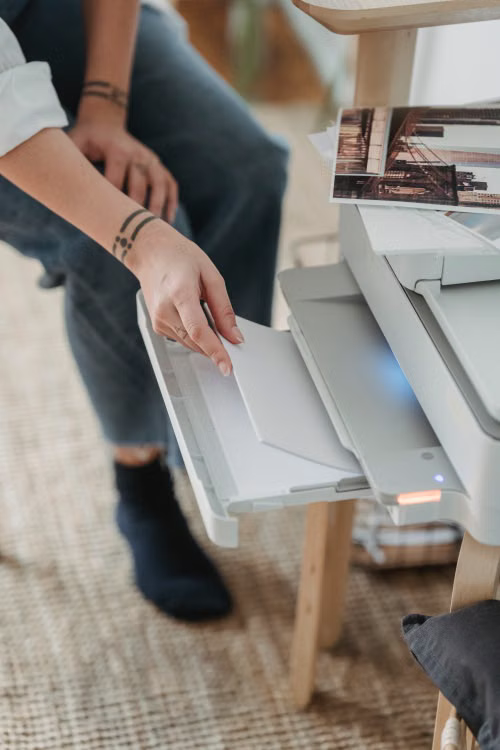
Printing photos at home is a convenient way to preserve family memories, create personalised gifts, and display favourite photographs without visiting a professional print shop. However, choosing the right photo paper can make a significant difference in colour accuracy, sharpness, contrast, and overall print quality. From glossy finishes to textured surfaces, different papers suit different printing needs.
For photographers who want vibrant colours and a smooth satin finish, Red River Paper UltraPro Satin 270 is one option worth exploring. Before choosing photo paper, consider your printer’s compatibility, the type of images you print, and the finish you prefer.
1. Glossy Inkjet Photo Paper
Glossy photo paper is a popular choice for printing colourful photographs at home. Its reflective surface helps produce vivid colours, strong contrast, and detailed images, making it suitable for travel photos, family portraits, and holiday snapshots.
Glossy paper works particularly well when you want photographs to resemble traditional photo-lab prints. However, its shiny surface can produce glare under bright lighting, and fingerprints may be more noticeable when handling prints.
Choose glossy paper for images where colour intensity and visual impact are your main priorities.
2. Satin or Luster Photo Paper
Satin and luster papers offer a balance between glossy and matte finishes. They typically provide rich colours and good detail while reducing reflections compared with highly glossy surfaces.
This finish is especially useful for portrait photography, wedding pictures, and framed family photographs. The subtle texture can also give images a professional appearance without excessive shine.
Satin paper is a versatile option for home users who print different types of photographs and want a finish suitable for both albums and display frames.
3. Matte Inkjet Photo Paper
Matte photo paper has a non-reflective surface that produces a clean, understated appearance. It is particularly suitable for artistic photography, black-and-white images, illustrations, and prints intended for rooms with strong lighting.
Because matte paper does not reflect light as strongly as glossy alternatives, photographs can be easier to view from different angles. However, colour intensity and perceived contrast may differ depending on the paper coating and printer settings.
Matte paper is also a practical choice for creating photographic cards, creative projects, and personalised prints.
4. Premium Heavyweight Photo Paper
Heavyweight photo paper provides a sturdy feel that can make printed photographs appear more substantial. It is useful for portfolio prints, presentation materials, and photographs intended for framing or gifting.
Paper weight alone does not determine print quality. The coating, surface finish, and compatibility with your printer and ink also influence the final result.
Before purchasing heavyweight paper, check your printer’s supported media specifications to avoid feeding problems or inconsistent printing.
5. Fine Art Inkjet Paper
Fine art inkjet paper is designed for photographers and artists who want to produce exhibition-quality prints. Available in smooth, textured, matte, and other specialised finishes, it can help reproduce subtle tonal variations and detailed images.
This paper is particularly suitable for landscape photography, artistic portraits, and images intended for long-term display. Some fine art papers are designed for pigment-based inks, so checking printer and ink compatibility is essential.
How to Choose the Right Photo Paper
The best inkjet photo paper depends on your printing goals. Glossy paper suits vibrant snapshots, satin offers everyday versatility, matte creates a softer appearance, heavyweight paper feels substantial, and fine art paper supports specialised photographic projects.
Always check printer compatibility, select the appropriate media setting, and use high-quality image files. Testing a few paper types before buying in bulk can help you find the finish that best complements your photographs.
