

Introduction to Efficient Water Management
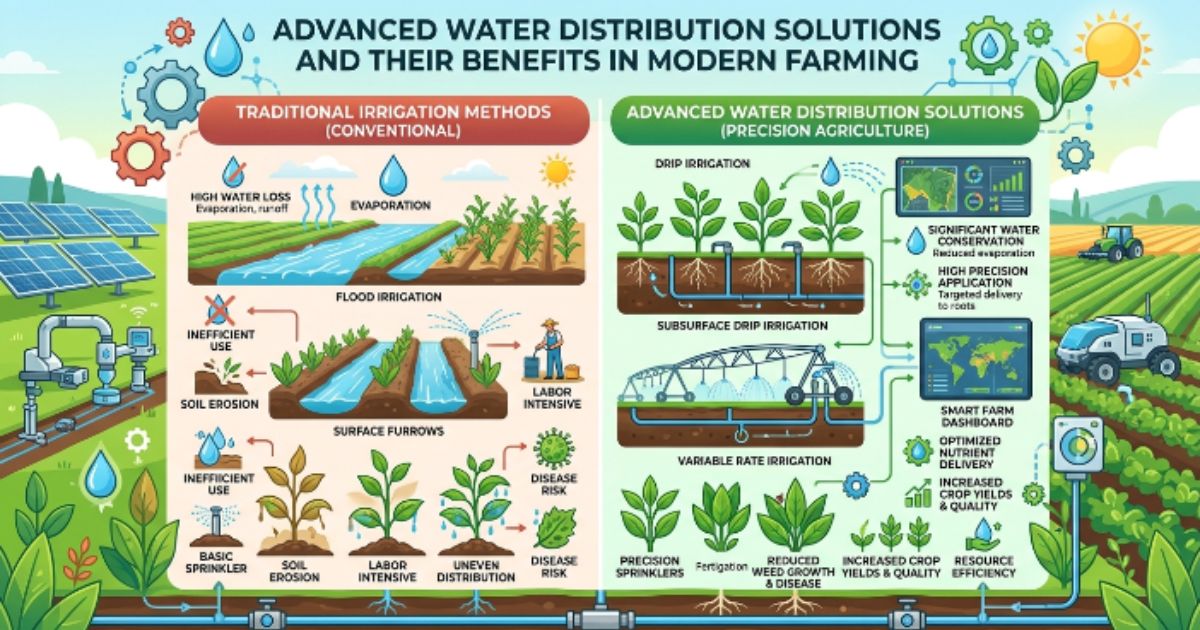
Water management has always been an essential part of agriculture, landscaping, and environmental care. Plants require a balanced supply of water to grow properly, and providing moisture in an efficient way helps improve productivity while reducing waste. As demand for agricultural resources increases, people are adopting advanced methods that allow better control over water usage. Modern systems are designed to deliver water evenly, save resources, and support healthier plant development. These improvements have made water distribution more effective and reliable for different applications.Traditional watering methods often created problems because they depended on manual effort and lacked accuracy. Uneven water distribution could cause some areas to receive excessive moisture while others remained dry. This not only affected plant health but also resulted in unnecessary resource consumption. Modern solutions focus on precision and efficiency by providing controlled water delivery according to specific requirements. The development of improved systems has allowed users to achieve better results with less effort and reduced waste.A well-designed sprinkler system has become an important solution for maintaining proper moisture levels in various agricultural and gardening environments. It distributes water in a controlled pattern, allowing plants to receive adequate hydration without excessive usage. This method improves coverage and supports healthier growth by creating suitable conditions for plant development. With proper planning and maintenance, these systems can provide long-term benefits and contribute to sustainable resource management.
Importance of Controlled Water Distribution
Effective water distribution plays a major role in improving plant growth and maintaining soil quality. When plants receive the right amount of water, they can develop stronger roots, absorb nutrients more efficiently, and produce better results. However, poor watering practices can lead to problems such as soil erosion, nutrient loss, and weak plant development. Maintaining a balanced approach is necessary for achieving successful outcomes.Controlled watering methods help overcome many challenges associated with traditional techniques. They allow users to manage the amount, timing, and coverage of water applications. This flexibility ensures that different plants receive suitable moisture according to their needs. By reducing unnecessary water usage, these systems also support conservation efforts and encourage responsible resource management.The use of advanced sprinkler technology provides a practical way to achieve uniform water distribution. Instead of manually applying water across large areas, automated systems can deliver moisture consistently. This saves time, reduces labor requirements, and improves overall efficiency. The ability to manage water accurately makes these solutions valuable for modern agricultural and environmental practices.
How Modern Systems Improve Efficiency
Technology has significantly improved the performance of water distribution systems. Modern equipment includes automated controls, pressure management features, and monitoring tools that help maintain consistent operation. These improvements allow users to adjust settings based on weather conditions, soil requirements, and plant needs. As a result, water application becomes more accurate and effective.Automation has reduced the need for constant manual supervision. Timers and smart controls can manage watering schedules, ensuring that plants receive moisture at suitable times. This reduces the risk of overwatering and helps maintain healthier growing conditions. Efficient operation also lowers costs by preventing unnecessary water consumption.The introduction of advanced systems has changed the way people approach water management. Instead of applying water without measurement, users can now rely on technology to make informed decisions. These improvements support better planning, reduce environmental impact, and increase productivity. The combination of innovation and proper management creates a more sustainable approach to water usage.
Benefits of Using Effective Watering Solutions
One of the major advantages of efficient watering systems is improved plant health. Consistent moisture helps plants maintain steady growth and reduces stress caused by irregular water supply. Healthy plants are more resistant to environmental challenges and have better chances of producing strong yields. Proper water management creates favorable conditions for long-term development.Another important benefit is resource conservation. Water is a valuable resource, and reducing unnecessary consumption is essential for sustainability. Efficient systems apply water where it is needed instead of allowing excessive runoff or evaporation. This approach helps preserve supplies while still meeting the requirements of plants and crops.A reliable sprinkler solution also saves time and effort compared to traditional watering methods. Manual watering can require significant labor, especially when managing larger areas. Automated systems reduce this workload by providing consistent coverage with minimal supervision. This allows users to focus on other important tasks while maintaining proper plant care.
Role of Sprinkler Systems in Sustainable Practices
Sustainability has become a major focus in modern agriculture and environmental management. Efficient water use helps protect natural resources and supports long-term productivity. By reducing waste and improving accuracy, advanced watering systems contribute to more responsible practices. Sustainable approaches ensure that current needs are met without creating problems for future generations.The use of a sprinkler system allows better control over water application and supports conservation goals. These systems can be adjusted according to specific requirements, making them suitable for different types of plants and growing conditions. Proper installation and regular maintenance help maximize efficiency and extend the lifespan of equipment.Responsible water management also benefits the surrounding environment. Excessive water usage can affect soil quality and natural ecosystems. By applying water carefully, users can reduce negative impacts while maintaining healthy landscapes. Sustainable solutions create a balance between productivity and environmental protection.
Different Types of Water Distribution Methods
Water distribution systems are available in various designs, and each method has specific advantages depending on the purpose and requirements. Choosing the right system helps improve efficiency and ensures that plants receive the necessary amount of moisture. Some methods are designed for small areas, while others are suitable for larger agricultural spaces. Understanding the differences between available options allows users to select solutions that provide better performance and long-term value.Some systems focus on delivering water directly to plant roots, while others create wider coverage by spreading water across an entire area. The selection process depends on factors such as soil type, plant variety, climate conditions, and available resources. A properly chosen method reduces waste and improves overall effectiveness. With careful planning, users can create a balanced watering strategy that supports healthy plant development.Modern sprinkler solutions are popular because they provide even water coverage and can be adjusted according to specific needs. These systems are designed to imitate natural rainfall by distributing water through controlled pressure and movement. This makes them suitable for many different applications where consistent moisture is required. Proper setup ensures that water reaches the intended areas without unnecessary loss.
Factors to Consider Before Installation
Before installing any water management system, several important factors should be evaluated. Understanding the requirements of the area helps determine the most suitable equipment and design. Soil characteristics, plant needs, water availability, and environmental conditions all influence the effectiveness of a system. Proper assessment prevents problems and improves overall performance.The quality of equipment also plays an important role in achieving successful results. Durable materials and reliable components provide better performance and reduce maintenance requirements. Choosing suitable products ensures that the system can operate efficiently for an extended period. Investing in quality equipment can provide long-term benefits and reduce future expenses.Planning the layout carefully is another important step. Proper placement of components ensures complete coverage and prevents areas from receiving too much or too little water. A well-designed system improves efficiency and supports healthier plant growth. Professional guidance and regular evaluation can help maintain effective operation.
Maintenance Requirements for Long-Term Performance
Regular maintenance is necessary to keep water distribution systems functioning properly. Over time, components may experience issues such as blockages, leaks, or reduced pressure. These problems can affect performance and lead to inefficient water usage. Routine inspections help identify problems early and allow timely solutions.Cleaning and checking equipment regularly improves reliability and extends system life. Filters, pipes, and other parts should be inspected to ensure smooth operation. Proper maintenance prevents unexpected failures and helps maintain consistent water distribution. A well-maintained system provides better results and protects the original investment.Monitoring performance is also important for improving efficiency. Changes in weather, soil conditions, and plant requirements may require adjustments over time. By reviewing system performance regularly, users can make necessary improvements. Continuous management ensures that the system remains effective and adaptable.
Economic Advantages of Efficient Water Systems
Efficient water management provides valuable economic benefits for farmers, businesses, and property owners. Reducing water waste helps lower operational costs and improves resource efficiency. When plants receive proper moisture, productivity can increase, leading to better overall results. These advantages make advanced systems a practical investment for long-term success.Automated solutions reduce the need for manual labor, saving both time and effort. Instead of spending hours applying water manually, users can rely on controlled systems to complete the task efficiently. This allows more attention to be given to other important activities. Improved efficiency creates better opportunities for growth and development.The financial benefits of modern watering methods become more noticeable over time. Lower resource consumption, reduced maintenance problems, and improved plant performance contribute to cost savings. Although installation may require an initial investment, the long-term advantages often make it worthwhile. Efficient systems support better management and stronger economic outcomes.
Environmental Impact of Responsible Water Usage
Protecting the environment requires careful management of natural resources. Excessive water consumption can create challenges such as reduced availability and damage to ecosystems. Efficient watering practices help minimize these risks by ensuring that water is used responsibly. Sustainable approaches support both environmental protection and continued productivity.A properly managed sprinkler system helps reduce unnecessary water loss by providing controlled distribution. This prevents excessive runoff and allows plants to absorb moisture effectively. Responsible usage contributes to conservation efforts and encourages better resource management. These practices are important for maintaining ecological balance.Environmental responsibility also involves protecting soil health. Poor watering methods can cause erosion, nutrient loss, and other problems that affect plant growth. Balanced water application supports stronger soil structure and improves growing conditions. By combining technology with responsible practices, users can achieve better results while protecting natural resources.
Future Developments in Water Distribution Technology
The future of water management will continue to focus on efficiency, automation, and sustainability. New technologies are being developed to improve accuracy and reduce resource consumption. Smart systems, advanced sensors, and automated controls will provide users with better tools for managing water effectively.Innovation will continue to improve the performance of modern watering solutions. Future systems are expected to become more adaptable and capable of responding to changing conditions. These improvements will help users achieve greater efficiency while reducing environmental impact. Technology will remain an important factor in creating better resource management practices.As awareness about conservation increases, more people are likely to adopt advanced water solutions. Education and improved access to technology will encourage responsible practices. The continued development of efficient systems will support agriculture, landscaping, and environmental sustainability in the years ahead.
Importance of Awareness and Proper Knowledge
Understanding how water management systems work is essential for achieving the best results. Users who have proper knowledge can make better decisions about installation, operation, and maintenance. Education helps prevent common mistakes and improves overall efficiency.Training and awareness programs can help people understand the benefits of modern solutions. Learning about water requirements, system settings, and maintenance practices allows better management. Knowledge empowers users to maximize the advantages of their chosen system while reducing unnecessary waste.A combination of technology and education creates a stronger approach to water conservation. When users understand how to operate systems correctly, they can achieve improved performance and longer equipment life. Awareness plays a key role in encouraging sustainable practices.
Conclusion
Efficient water management is essential for maintaining healthy plants, improving productivity, and protecting valuable resources. Modern watering solutions provide accurate distribution, reduce waste, and create better growing conditions. With proper planning, installation, and maintenance, these systems can deliver reliable performance for many years.The importance of sprinkler technology continues to increase as the need for responsible resource management grows. By adopting efficient methods, users can save water, reduce costs, and support environmental sustainability. Advanced systems offer practical solutions that meet the challenges of modern agriculture and landscape management.Successful water management depends on selecting suitable equipment, maintaining proper operation, and using resources responsibly. With continued innovation and awareness, efficient watering practices will help create a more sustainable future. The combination of technology, planning, and responsible usage ensures that water resources are protected while supporting productive and healthy environments.
People Also Read: Ben Affleck Net Worth in 2026: Career, Movies, Salary, and Wealth

Welcome to Blessings There! I’m the creator and author behind this website. I love sharing useful insights, informative content, and knowledge that can add value to everyday life.