

The Operational Impact of Impurities in Natural Gas Streams
Raw natural gas extracted from wellheads is rarely ready for immediate industrial use or pipeline transport. It is inherently saturated with water vapor and highly corrosive acid gases, primarily carbon dioxide (CO2) and hydrogen sulfide (H2S). If these impurities are not aggressively removed, they pose severe financial and operational risks to the downstream infrastructure. The combination of free water and acid gases creates a highly acidic environment that rapidly accelerates pipeline corrosion.
In downstream applications such as Liquefied Natural Gas (LNG) production, the presence of even trace amounts of moisture can lead to catastrophic ice or hydrate formation within cryogenic heat exchangers. To achieve the stringent specifications required (often less than 0.1 ppm of H2O), facilities must rely on advanced solid desiccant technologies. Engineered aluminosilicate materials, specifically high-performance molecular sieves produced by specialized manufacturers like Jalon, are deployed in these critical dehydration units to selectively trap water molecules while allowing valuable hydrocarbons to pass through unrestricted.
Core Technologies for Dehydration and Sweetening
Liquid Desiccants (TEG) vs. Solid Adsorption
Natural gas processing plants generally employ two primary methods for dehydration: liquid desiccants and solid adsorption. Triethylene Glycol (TEG) absorption systems are the industry standard for bulk water removal. TEG units are cost-effective and capable of bringing pipeline moisture levels down to acceptable regional transport standards. However, TEG systems have strict limitations when extreme dehydration is required.
When the gas is destined for cryogenic processing, such as Natural Gas Liquids (NGL) recovery or LNG liquefaction, TEG falls short. Solid adsorption is the only viable method to achieve the ultra-low dew points required for these extreme processes. By utilizing highly engineered crystalline structures, solid desiccants physically trap moisture at a molecular level, offering a depth of dehydration that liquid solvents simply cannot match.
The Critical Role of Zeolite Molecular Sieves
Matching Pore Size to Target Contaminants (3A, 4A, 5A, 13X)
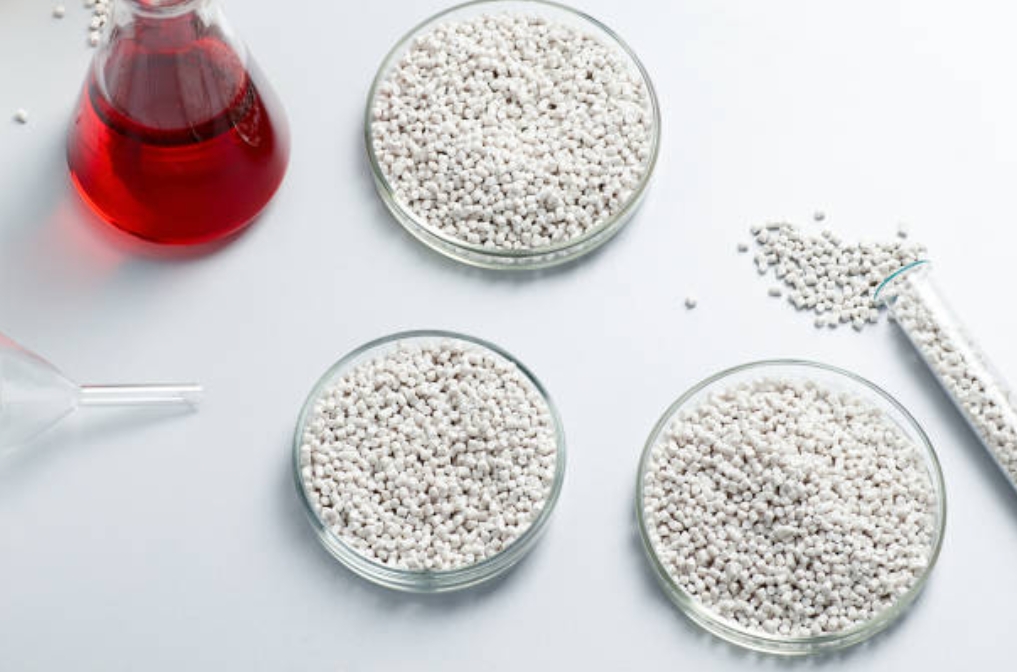
Zeolite molecular sieves are highly porous crystalline aluminosilicates with uniform pore dimensions. This uniformity allows engineers to selectively filter molecules based on their kinetic diameter. For instance, Type 3A sieves feature a 3-angstrom pore opening, making them ideal for absolute dehydration. They readily adsorb water (kinetic diameter 2.65 Å) but exclude most hydrocarbons, minimizing co-adsorption.
Conversely, gas sweetening requires larger pore structures to trap larger impurity molecules. Type 4A and 5A molecular sieves are routinely deployed to remove H2S and CO2 alongside moisture. For more complex gas streams containing larger mercaptans or heavy sulfur compounds, Type 13X sieves are utilized. The 10-angstrom pore opening of 13X allows for the deep desulfurization required for highly contaminated sour gas.
Preventing Hydrate Formation and Pipeline Corrosion
Gas hydrates are crystalline, ice-like structures formed when water physically bonds with light hydrocarbons under high pressure and low temperatures. These hydrates can quickly agglomerate, causing catastrophic blockages in pipelines, valves, and cryogenic turbo-expanders. A properly sized molecular sieve bed effectively eliminates the root cause of hydrate formation by aggressively removing moisture from the system.
Furthermore, deep dehydration neutralizes the threat of internal pipeline corrosion. Without liquid water acting as an electrolyte, corrosive gases like H2S and CO2 cannot form sulfurous and carbonic acids. By maintaining a strictly controlled dew point via solid adsorption, plant engineers significantly extend the operational lifespan of carbon steel pipelines and expensive compressor internals.
3 Strategies for Extending Adsorbent Bed Lifespan
- Optimizing Temperature Swing Adsorption (TSA) Cycles: The longevity of a molecular sieve bed is heavily dependent on its thermal cycling. Engineers must carefully control regeneration temperatures and heating/cooling ramp rates in the TSA cycle to prevent hydrothermal degradation and mechanical fracturing of the zeolite beads.
- Implementing High-Efficiency Inlet Separation: Liquid carryover from upstream compressors or amine units is a primary cause of premature bed failure. Installing highly efficient inlet coalescing filters prevents free liquid droplets and heavy hydrocarbon aerosols from physically coating and blinding the molecular sieve pores.
- Managing Bed Pressure Drop Dynamics: Excessive gas velocity through the adsorption tower can lead to bed fluidization, causing physical abrasion and dusting of the desiccant. Operators must continuously monitor differential pressure across the bed and optimize flow rates to maintain structural integrity and functional lifespan.
Navigating Stringent Pipeline Quality Standards
Beyond protecting internal facility infrastructure, gas processing plants must rigorously adhere to standardized pipeline quality specifications before their product can be injected into regional or national distribution networks. According to macro-level energy infrastructure guidelines documented by the U.S. Energy Information Administration (EIA), maintaining strict control over moisture and acid gas content is legally and operationally mandated to prevent pipeline corrosion, ensure uniform heating values, and minimize environmental hazards during end-user combustion.
Meeting these stringent regulatory limits requires constant vigilance and robust processing infrastructure. The financial penalties for injecting off-spec gas into a shared pipeline network are severe, often involving forced shut-ins or heavy fines. Therefore, deploying reliable, high-performance filtration and adsorption systems is not just an engineering best practice—it is a critical requirement for maintaining uninterrupted commercial operations.
Conclusion
The profitability and safety of modern natural gas processing facilities are inextricably linked to the efficiency of their upfront dehydration and sweetening processes. Failing to adequately remove moisture and acid gases compromises billion-dollar cryogenic infrastructure and violates strict pipeline tariffs. Ultimately, the successful operation of these plants relies heavily on the purity, engineered precision, and sustained performance of solid adsorption materials like zeolite molecular sieves.

Meet M Umair, Guest Post Expert and blessingsthere.com author weaving words for tech enthusiasts. Elevate your knowledge with insightful articles. self author on 1500+ sites.
Contact: Umairzulfiqarali5@gmail.com
Whatsapp: +923451718033