

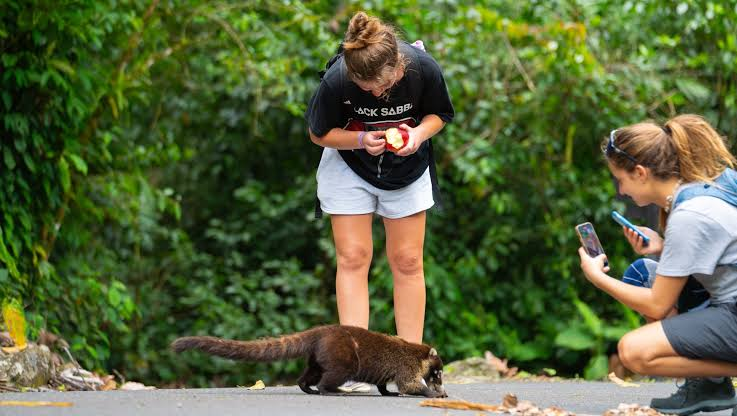
Volunteering abroad is one of the most meaningful ways to spend your time, and few destinations offer the depth of experience that Costa Rica does. Nestled between two oceans, this small Central American nation has built a global reputation for environmental stewardship, warm hospitality, and progressive social values. Costa Rica volunteer programs bring together people from every corner of the world, offering them a chance to contribute to something greater than themselves while forming lasting connections with local communities.
Whether you’re drawn by the lush rainforests, the vibrant culture, or the genuine opportunity to make a difference, Costa Rica rewards those who show up ready to give. This article explores what these programs look like, what they accomplish, and why they continue to attract thousands of passionate individuals every year.
The Growing Movement Behind Community Volunteering
Volunteerism has evolved significantly over the past two decades. What once looked like short-term charity work has transformed into structured, community-led initiatives where volunteers are genuine partners in progress. Across Costa Rica, local organizations have developed programs that prioritize sustainable impact over short-term gestures.
Communities in both rural and urban settings increasingly collaborate with international volunteers to address challenges in education, healthcare access, conservation, and infrastructure. The result is a model where outside support amplifies local capacity rather than replacing it. Volunteers don’t arrive as experts—they arrive as collaborators.
This shift matters. Programs built on genuine partnership tend to produce results that outlast the volunteers themselves. Schools get rebuilt and keep running. Community gardens keep producing. Children who received tutoring go on to tutor others. The ripple effect is real, and it begins with showing up.
What Types of Programs Are Available in Costa Rica?
Costa Rica offers a remarkable range of volunteer opportunities, structured around the country’s most pressing community and environmental needs. Here’s a closer look at the major categories:
Environmental Conservation and Wildlife Protection
Costa Rica is home to nearly 5% of the world’s biodiversity despite covering less than 0.1% of the planet’s surface. Protecting this natural wealth requires consistent, hands-on effort. Volunteers in conservation roles assist with tasks like reforestation, trail maintenance, sea turtle monitoring, and habitat restoration.
Many programs are based in coastal areas or deep within protected rainforest zones, giving volunteers direct access to ecosystems that few tourists ever see. These placements are physically demanding but deeply rewarding for those passionate about environmental work.
Education and Youth Development
Across Costa Rica, particularly in rural regions, schools often lack the staffing and resources to give every child a strong educational foundation. Volunteer educators fill critical gaps by supporting English-language learning, providing after-school tutoring, and developing enrichment activities that expand children’s horizons.
These programs don’t require formal teaching credentials. What they do require is patience, creativity, and a genuine interest in working with young people. Volunteers often find that the relationships they build with students become the most memorable parts of their experience.
Community Health Initiatives
Public health programs in underserved communities benefit enormously from volunteer support. Roles vary widely—from assisting with health screenings and dental clinics to supporting health education campaigns. These placements are particularly well-suited to individuals studying medicine, nursing, public health, or social work, though many programs welcome motivated volunteers from any background.
Construction and Infrastructure Projects
Some communities need physical support—building classrooms, improving sanitation systems, constructing community centers. Skilled and unskilled volunteers alike contribute to these projects, with local coordinators guiding the work to ensure it meets community standards and long-term needs.
Who Volunteers in Costa Rica?
The diversity of volunteers is one of the most striking aspects of these programs. Gap year students, retired professionals, career-changers, and experienced aid workers all show up for different reasons—and all bring something valuable.
University students frequently choose Costa Rica as a way to gain field experience in subjects like environmental science, international development, or education. Professionals on sabbatical often seek a meaningful way to use their skills in a new context. Retirees with years of expertise find that their knowledge is exactly what many community programs need.
Age, nationality, and professional background matter far less than attitude. The volunteers who make the greatest impact are those who approach their work with humility, curiosity, and a genuine respect for local culture and leadership.
How Long Do Volunteer Programs Typically Last?
Program durations range from one week to six months or longer, depending on the organization and the nature of the work. Short-term placements (one to four weeks) are popular among travelers who want to contribute without committing to an extended stay. These can be genuinely impactful, especially when they feed into ongoing, long-term projects coordinated by resident staff.
Medium-term placements of one to three months allow volunteers to develop real relationships, build language skills, and take on more responsibility within their programs. These are often preferred by people taking structured time away from education or careers.
Long-term placements are typically reserved for individuals with specific professional skills—healthcare workers, educators, engineers—whose contributions become deeply embedded in the work of a community organization.
Understanding the Cultural Exchange Element
Volunteering in Costa Rica isn’t just about what you give—it’s equally about what you receive. The country’s culture centers on a concept known locally as “pura vida,” which translates roughly to “pure life.” It reflects a way of living that values gratitude, simplicity, and connection.
Immersion in this culture changes people. Volunteers frequently return home with a recalibrated sense of priorities, stronger interpersonal skills, and a clearer understanding of global interconnection. Many describe their time in Costa Rica as a turning point—personally, professionally, or both.
Living and working alongside local community members also sharpens cross-cultural communication skills that are increasingly valuable in professional environments. Employers in fields like international development, education, healthcare, and business recognize the significance of structured international volunteer experience.
What to Consider Before Applying to a Program
Not all programs are structured equally. Before committing, it’s worth researching an organization’s track record, community relationships, and how volunteers are supported throughout their placement. A few key questions to ask:
- Does the program prioritize community-identified needs, or does it impose external projects?
- Are local staff and community members in leadership roles?
- What support structures exist for volunteers during their placement?
- Is there transparency around program fees and how funds are used?
Reputable organizations will answer these questions openly. Red flags include vague project descriptions, excessive fees with no clear breakdown, and programs that seem more focused on tourist experience than community benefit.
The Long-Term Impact on Communities
The measurable effects of well-run volunteer programs extend far beyond individual projects. Communities that consistently partner with international volunteers often report improvements in local employment, educational attainment, environmental health, and social cohesion over time.
For local children, seeing adults from around the world invest time and energy in their community sends a powerful message about their own value. For local organizations, the infusion of skills and energy helps expand what they’re able to accomplish with limited resources.
Frequently Asked Questions
Do I need to speak Spanish to volunteer in Costa Rica?
Basic Spanish is helpful but rarely required. Many programs operate in English or provide language support. Learning even simple phrases demonstrates respect and helps build stronger relationships with community members.
Is Costa Rica safe for international volunteers?
Costa Rica ranks among the safest countries in Latin America. As with any international travel, volunteers should follow program guidelines, stay aware of their surroundings, and follow the advice of local coordinators.
How much does it typically cost to volunteer?
Program fees vary widely, from a few hundred to several thousand dollars depending on duration, included services, and the organization. Fees often cover accommodation, meals, in-country transport, and program coordination.
Can volunteering in Costa Rica count as academic credit?
Many universities recognize structured international volunteer placements for academic credit. Check with your institution before departure and ensure the program you select meets their documentation requirements.
Making the Decision to Go
Few decisions carry as much potential for personal growth and community impact as choosing to volunteer abroad. Costa Rica offers an extraordinary setting—one where natural beauty, cultural richness, and genuine need converge in ways that make every contribution matter.
The communities you’ll work alongside aren’t looking for heroes. They’re looking for partners—people willing to show up, listen, learn, and work. If that sounds like you, Costa Rica is waiting.
