

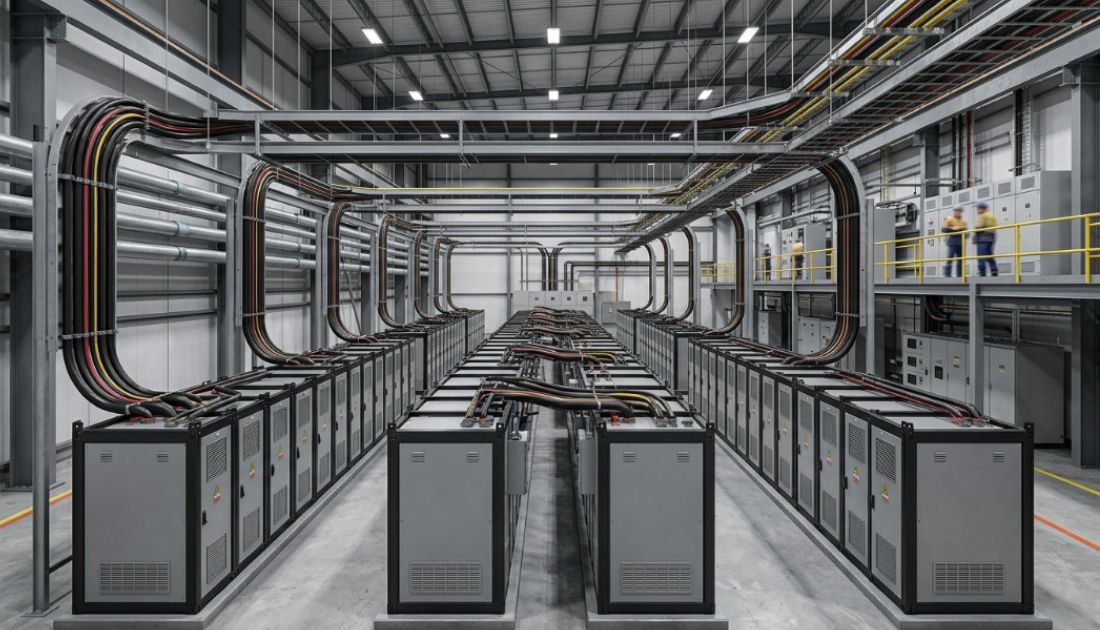
Modern facilities rely on uninterrupted electrical power for data systems, automation lines, and sensitive industrial equipment. A stable backup solution helps reduce downtime, protects electrical assets, and maintains consistent operational flow during grid disturbances or voltage fluctuations. Proper planning around capacity, load behavior, and protection systems becomes essential for long-term reliability.
If you’re exploring what a lithium-ion UPS is, it refers to a modern energy storage backup system that uses lithium-based cells to deliver fast response and high efficiency during outages. A lithium-ion UPS supports cleaner power output and improved cycle performance under demanding electrical conditions. Selecting the right lithium-ion UPS ensures better voltage regulation and stronger backup capability across critical infrastructure.
Keep reading to uncover the essential considerations that impact performance, safety, and efficiency.
Core Electrical Architecture and Power Flow
A lithium-ion UPS is built using advanced rectifier, DC link, and inverter stages to maintain stable power delivery. It continuously manages energy conversion between AC input and DC battery storage.
The system ensures seamless transfer during outages without affecting connected electrical loads. This improves operational continuity in high-sensitivity environments.
The Battery Management System (BMS) plays a critical role in regulating charge cycles. It monitors voltage balancing across cells and prevents deep discharge conditions. A lithium-ion UPS uses these controls to enhance safety and electrical stability. This reduces stress on internal components during peak load variations.
Maintenance and Lifecycle Reliability
A lithium-ion UPS reduces dependency on frequent manual maintenance schedules. It eliminates issues commonly found in liquid electrolyte-based battery systems. This improves operational uptime in continuous-duty applications. Service intervals become longer and more predictable.
Built-in thermal and electrical protection systems prevent unsafe operating conditions. The system safeguards against thermal runaway and overcurrent faults. A lithium-ion UPS maintains stable performance across long operational cycles. This extends the overall system lifespan significantly.
System Design and Deployment Flexibility
A lithium-ion UPS supports modular architecture for scalable power expansion. Facilities can increase capacity without redesigning the entire electrical setup. It integrates smoothly with switchgear assemblies and distribution panels. This simplifies electrical planning for growing infrastructure.
Rack-mounted configurations improve space optimization in technical environments. Hot-swappable modules allow replacement without shutting down connected loads. A lithium-ion UPS maintains continuous operation during upgrades or servicing. This ensures uninterrupted power delivery across critical systems.
Efficiency and Electrical Performance Factors
A lithium-ion UPS offers higher energy density compared to traditional storage systems. This allows more backup power in a compact installation footprint. It improves space utilization in control rooms and electrical panels. Power delivery remains stable under fluctuating load conditions.
Advanced Power Factor Correction (PFC) improves input efficiency and reduces harmonic losses. This ensures cleaner energy flow across sensitive electronic equipment. A lithium-ion UPS also supports faster recharge cycles after discharge events. This helps restore readiness quickly for repeated power interruptions.
Operational Stability and Electrical Reliability
A lithium-ion UPS delivers consistent output during voltage dips and grid instability. It protects sensitive equipment from sudden electrical disturbances and surges. Stable discharge characteristics improve equipment safety and operational accuracy. This is essential for mission-critical environments.
Long cycle life improves performance consistency over extended usage periods. Reduced degradation ensures stable backup capability across years of operation. A lithium-ion UPS maintains predictable power behavior under varying loads. This enhances overall electrical system dependability.
Ensure Continuous Power Stability with the Right UPS Strategy
Selecting the right system requires a detailed evaluation of load requirements, thermal design, and integrated fault protection mechanisms to ensure stable electrical performance under all operating conditions.
As facilities expand and power demand increases, deploying a second lithium-ion UPS can significantly improve redundancy and strengthen uptime assurance across critical operations. Proper selection of electrical ratings helps maintain balanced load distribution, reduces stress on circuits, and prevents system overload conditions that may disrupt performance.
Partnering with reputable electrical brands ensures accurate system configuration, use of certified components, and adherence to safe installation practices, ultimately supporting long-term operational reliability and consistent power continuity.
People Also Read: Fostering Social Connections and Well-being in Senior Living Communities
