

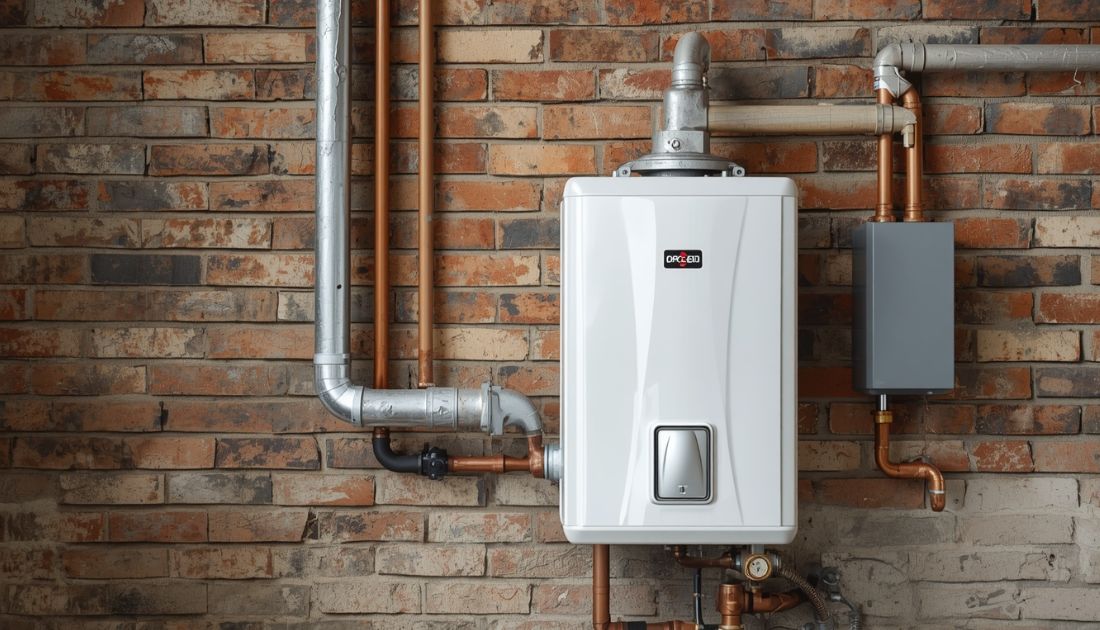
Having a consistent supply of hot water is crucial for any household’s daily comfort and convenience. Whether it’s for your morning shower or running the dishwasher at night, hot water plays a central role. Yet, many homeowners overlook the importance of routine water heater maintenance until a problem arises. If you’ve noticed performance issues lately, it might be the right moment to explore options for an upgrade by contacting knowledgeable tankless water heater installers in Provo, UT.
Over time, all water heaters show signs of age, which can affect efficiency and reliability. Recognizing issues early can prevent costly breakdowns. Upgrading, whether from traditional tank systems or modern tankless units, boosts efficiency and prevents damage. Proactive replacements are vital, especially in areas with hard water or older plumbing. Research indicates that replacing aging heaters with energy-efficient models significantly reduces energy use and improves comfort.
1. Age of the Water Heater
Most standard water heaters have a service life of 8 to 12 years. Past this window, the risk of inefficient operation, leaks, and breakdown increases significantly. If your unit is approaching or has passed this age, now is the time to start planning for an upgrade rather than waiting for a sudden failure.
2. Inconsistent or Insufficient Hot Water
Sudden changes in water temperature or the need to rush through showers because the water is quickly cooling can signal internal issues. These symptoms often point to sediment buildup or a failing heating element, both of which reduce the overall effectiveness and capacity of the water heater.
3. Strange Noises
Noticeable rumbling or popping coming from your water heater usually means sediment is accumulating inside the tank. This causes the unit to work harder, eventually leading to wear and tear, wasted energy, and, ultimately, failure. Regular flushing helps, but persistent noises are often a warning sign that it’s time to replace it.
4. Rusty or Discolored Water
If your hot water has a brown or reddish hue or tastes metallic, internal corrosion is a likely culprit. Corrosion not only affects water quality but also indicates that the tank is deteriorating from the inside, a clear sign that your water heater is nearing the end of its life.
5. Leaks Around the Water Heater
Pooling water or moisture around the base of your heater signals a leak, which often starts small but can quickly lead to water damage and mold. Addressing leaks promptly is essential, as deterioration can progress rapidly and put your property at risk.
6. Increased Energy Bills
Older and inefficient water heaters must work much harder to provide hot water, driving up your utility costs. If you’ve noticed a spike in your energy bills and can’t pinpoint the cause, your water heater may be the culprit. Modern models, including Energy Star-certified options, use far less energy for the same output. The EPA provides additional insights into energy savings associated with appliance upgrades.
7. Frequent Repairs
Recurring repair costs can quickly exceed the price of a new, efficient unit. If it feels like your plumber is on speed dial for yet another water heater fix, it might be time to put that money toward a replacement. Not only will a new unit provide peace of mind, but you’ll also enjoy greater dependability and energy savings.
8. Considering a Tankless Water Heater
Tankless water heaters continue to gain popularity for their on-demand hot water delivery, compact size, and extended lifespan. These systems save energy by heating water only when needed, resulting in long-term cost reductions and more space-efficient installations. If you’re looking to upgrade, evaluating tankless options can be a smart choice.
Paying attention to signs like aging equipment, poor performance, leaks, or higher bills helps you stay prepared before a total breakdown. When in doubt, schedule a consultation with a trusted plumbing expert in your area to assess your options and select a system that fits your home’s demands and your family’s comfort.
Additional Considerations Before Upgrading
When deciding whether to repair or replace a water heater, assess the age and condition of the plumbing system, as hard water buildup may necessitate replacement. Regular inspection for rust or corrosion in supply pipes can prevent surprises. Evaluate warranty options and potential rebates for new installations, as many manufacturers offer warranties and local utilities promote efficient appliances through incentives. Discussing your energy needs and hot water usage with an installer can ensure suitable choices. Additionally, consider modern safety features and technology improvements, such as leak detection and Wi-Fi-enabled thermostats, which can enhance household comfort.
Conclusion
Recognizing the warning signs of a failing water heater is crucial to prevent breakdowns and costly repairs. Indicators such as age, inconsistent hot water, unusual noises, discolored water, leaks, high energy bills, and frequent repairs suggest a system may be nearing the end of its life. Often, replacing an outdated unit is more economical than ongoing repairs. Modern options, such as energy-efficient and tankless water heaters, offer better performance and lower operating costs. Consulting a plumbing professional can help make informed decisions for proactive replacement, ensuring consistent hot water and long-term efficiency.
People Also Read: The Importance of Proper Sanitation in Medical Offices

Welcome to Blessings There! I’m the creator and author behind this website. I love sharing useful insights, informative content, and knowledge that can add value to everyday life.