

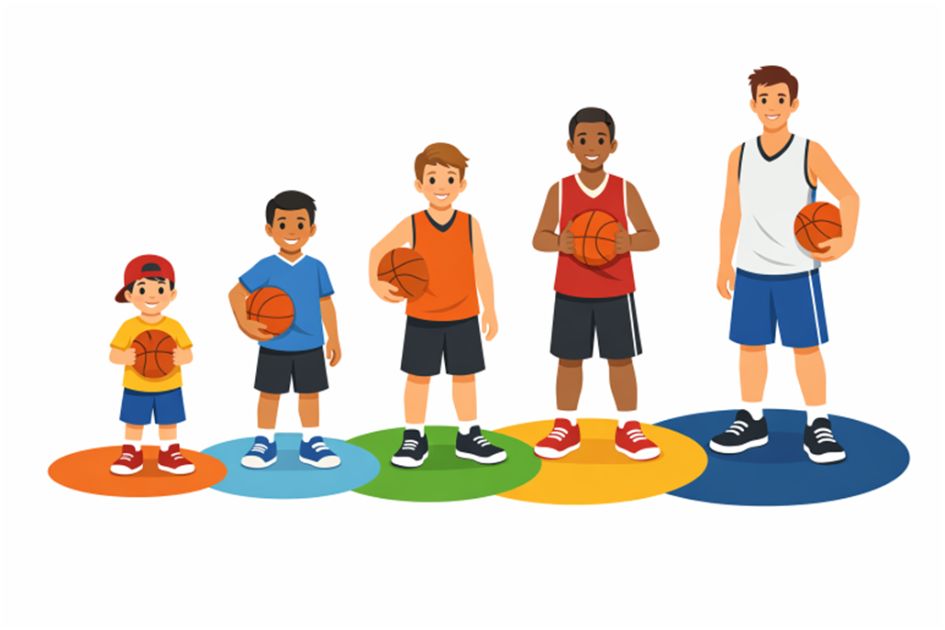
Basketball presents unique challenges and opportunities for growth at each age group. Coaches and parents who tailor their training to suit the developmental needs of young athletes set the stage for effective learning and long-term success. By focusing on youth basketball skill development through age-appropriate instruction, teams build a foundation for higher-level achievement and spark a love of the game early on.
Training strategies that are sensitive to a child’s age-related physical, cognitive, and emotional growth provide the optimal environment for improvement. Introducing fundamental movement and technical skill during the right developmental windows makes learning enjoyable and safe, encouraging athletes to stay engaged and motivated for years to come.
Early-stage training is about more than just teaching basketball moves. It is about nurturing confidence, teamwork, and a sense of achievement. Carefully designed practices support both progression and player wellness, helping prevent burnout or injury while maximizing each athlete’s potential.
Age-specific approaches recognize that motivation and ability are dynamic, so practice should evolve as children grow. As players move through different phases, coaches can gradually introduce more challenging drills and strategic concepts that reinforce learning and build excitement for the sport.
Ages 4–6: Introduction to Movement and Coordination
For children ages 4 through 6, basketball training is most effective when centered on movement and basic physical literacy. At this introductory stage, activities should be creative and play-oriented to keep young players engaged while they develop agility, balance, and coordination. Structured drills take a backseat to interactive and confidence-building exercises.
- Dribbling Games: Using soft balls, children can learn to dribble by navigating simple obstacle courses, encouraging control and spatial awareness.
- Passing Drills: Working in pairs to practice chest passes develops hand-eye coordination and the concept of teamwork.
- Footwork Exercises: Agility ladder drills help introduce the fundamentals of movement patterns and body control.
Above all, enjoyment is the top priority at this age, laying the groundwork for future skill development by fostering positive emotions toward basketball. According to experts at The New York Times, early emphasis on fun keeps young children physically active and invested in sports as they mature.
Ages 7–9: Building Fundamental Skills
When children reach the ages of 7 to 9, their coordination and cognitive abilities begin to improve, allowing for the introduction of more structured basketball fundamentals. At this stage, repetition of basic skills within game-like situations reinforces learning and builds a strong technical foundation.
- Shooting Form: Players should start with shots close to the hoop, learning the proper mechanics and hand placement for an accurate release.
- Dribbling Drills: Going beyond single-handed dribbling, players practice with both hands to enhance control and develop ambidexterity.
- Defensive Stance: Players learn to position themselves correctly and move laterally, improving agility and the ability to play effective defense.
Small-sided games are ideal for this group, providing more opportunities for each player to interact with the ball and apply new skills in real-time, which also motivates young athletes to keep practicing and improving.
Ages 10–12: Enhancing Technical Abilities
Between ages 10 and 12, players become ready for more deliberate practice and subtle strategic instruction. Their growing maturity allows for complex technical drills that challenge both physical skills and basketball IQ.
- Advanced Dribbling: Crossovers and behind-the-back moves add creativity and unpredictability to offensive play.
- Shooting Drills: Players work on jump shots and shooting off the dribble from varying distances to build consistency and confidence.
- Team Concepts: Simple offensive plays and defensive rotations set the stage for understanding team basketball and on-court communication.
Coaches should explain the reasoning behind each drill, helping players see its value within real game situations. This approach fosters engagement, ownership of progress, and long-term retention of skills.
Ages 13–15: Developing Advanced Techniques
Teenagers aged 13 to 15 are capable of handling advanced skills and more intense competition. During this phase, training should push limits while reinforcing the tactical and physical demands of the game.
- Strength Training: Age-appropriate strength and conditioning exercises improve athletic performance and help prevent injury.
- Complex Plays: Players tackle multi-option offensive sets and defensive schemes, learning to make quick decisions on the court.
- Game Analysis: Watching and breaking down game footage enhances tactical understanding and basketball IQ.
Providing regular, meaningful competition helps athletes measure their progress and adjust their training focus. For additional guidance on youth sports specialization and its impacts, see this resource from Johns Hopkins Medicine.
Ages 16–18: Refining Skills and Game Strategy
Older teens preparing for high school, travel club, or college basketball should train for precision and high-level game sense. Practice at this level focuses on specialization and mental preparation, with players assuming greater responsibility for their development and team performance.
- Specialized Training: High school athletes benefit from drills specific to their on-court positions, like point guard ball handling or post-player footwork.
- High-Intensity Workouts: Sessions designed to mimic game fatigue and pressure sharpen decision-making and physical endurance.
- Mental Preparation: Developing pre-game routines and strategies for managing pressure is essential for peak performance and leadership.
At this stage, fostering teamwork and leadership becomes critical as players grow into role models for younger teammates and ambassadors for the sport.
Safety and Injury Prevention
Regardless of age, safety must always be a priority in basketball training. It is vital that coaches conduct proper warm-ups and cool-downs and ensure drills match the physical capabilities of the group. According to the American Academy of Pediatrics, managing practice time, allowing for rest, and monitoring early signs of overuse or injury are essential for healthy development and sustained athletic participation.
Conclusion
When basketball training evolves with a player’s age and developmental stage, every session becomes an opportunity to build skill, safety, and self-confidence. Coaches and parents who prioritize age-appropriate learning and a love for the game lay the foundation for athletic and personal growth, helping young athletes reach their full potential on and off the court.
People Also Read: Designing a Functional and Productive Office Space

Welcome to Blessings There! I’m the creator and author behind this website. I love sharing useful insights, informative content, and knowledge that can add value to everyday life.