

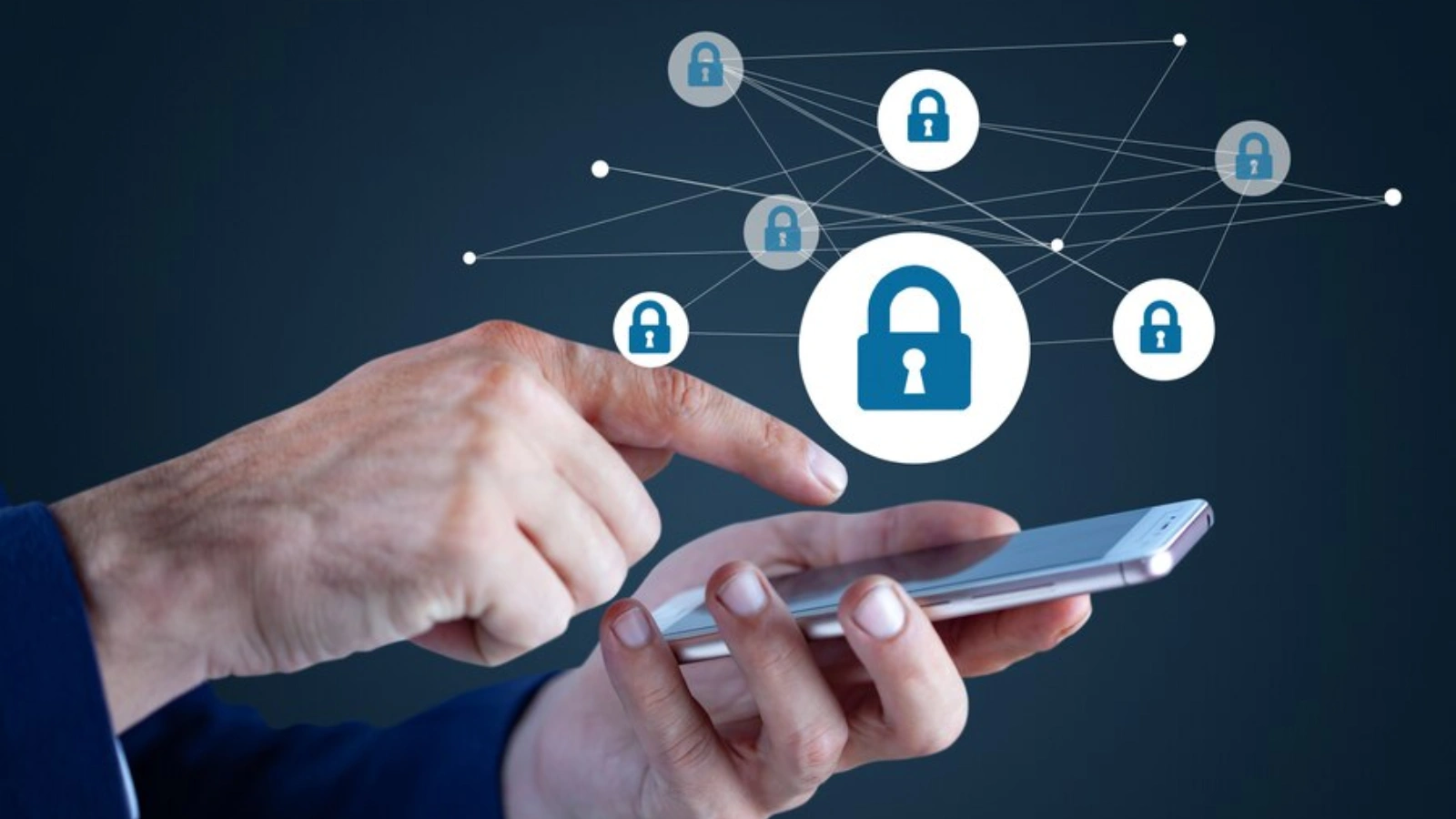
Third-party social media viewers add considerable convenience but also an extraordinary risk to our digital privacy. Users should authenticate applications, enforce granular permission control, and use further secure browsing environments, including VPNs. Multi-factor authentication will allow users to exercise their right to explore social media content while keeping their private information intact by regularly auditing connected applications.
As people use an increasing number of external applications to access social networks, the labyrinth of digital privacy becomes more complex. The viewership of Third Party Content is pervasive on the modern social media landscape, unlocking utilities that native platforms impose limitations on. But this ease of access also brings with it an immediate need for strong digital privacy measures.
InstaPV is just an example of such tools, providing a secret road to proper social engagement, enabling people to view Instagram content anonymously, while Ross can use other external resources only under strict security protocols that guarantee access to exclusively allowed data.
Understanding the Digital Landscape of Social Media
The Allure and Risks of Third-Party Viewers
The main advantage of third-party viewers is that they offer a greater range of features, which frequently runs counter to the risk of data exposure. Convenience comes at a cost, and those costs can be hidden in the way users are required to blindly provide access to profiles.
Common Threats to Digital Privacy
So, when people link external tools to their social accounts, the threat nature is:
- Data Harvesting and Exploitation: Applications often scrape profile data to sell to advertisers.
- Malicious Software and Phishing Attempts: Unverified viewers can deploy malware or mimic legitimate login screens.
- Identity Theft and Account Compromise: Stolen access tokens allow malicious actors to hijack digital identities completely.
Core Principles of Secure Third-Party Viewer Usage
Verifying Authenticity and Reputation
Users are encouraged to create tight restriction procedures for accounts. Applications that ask for passwords directly or lack a privacy policy are red flags. By looking at community reviews or third-party security audits, users should be able to check whether an app is good enough to install.
Granular Permission Management
Applying the principle of least privilege ensures that applications access only the data required to run. In addition, the routine for reviewing app permissions allows users to revoke permissions for tools they no longer use.
Advanced Security Protocols for Enhanced Protection
Multi-Factor Authentication (MFA): An Essential Layer
MFA is a vital safeguard. MFA prevents attackers from gaining access to users’ core social media accounts, even if a third-party viewer is hacked.
Utilizing Secure Browsing Environments
- VPNs and Encrypted Connections: Virtual Private Networks mask IP addresses, keeping browsing sessions private.
- Browser Extensions for Privacy Enhancement: Ad blockers and anti-tracking extensions prevent background scripts from monitoring viewer activity.
The Role of Regular Software Updates in Security
Developers constantly patch known vulnerabilities. Updating viewer applications and the underlying operating systems that host them will close loopholes that exploit writers target in legacy software architectures.
Data-Driven Insights: The State of Digital Privacy
Reports show how digital platforms face an increasing number of cyber threats [2022-2024, Identity Theft Resource Center (ITRC), IBM security].
Key Statistics on Social Media Security Breaches (2022-2024)
| Year | Number of Incidents | Data Records Compromised | Average Financial Impact | Primary Attack Vectors |
| 2022 | ~1,800 | 422 Million+ | $4.35 Million | Phishing, Social Engineering |
| 2023 | 3,205 (ITRC Record) | 350 Million+ | $4.45 Million | Supply Chain Attacks, Ransomware |
| 2024 | Near-Record Highs | 1 Billion+ | $4.88 Million (IBM) | Compromised Credentials, API Exploits |
A common trend analysis will show that soon the actual struggle is most probably going to be about API connections, the very technology third-party viewers use to fetch social media content with.
Best Practices for Vetting and Using Third-Party Viewers
Before You Connect: Due Diligence
The best way to know how your data is handled and retained is still to read the privacy policy. It is important to check whether the developer states how long user data is stored and whether it can be shared with third-party data brokers.
While Connected: Proactive Monitoring
Look for out-of-the-ordinary activity in accounts that can help you catch breaches early. One example along these lines is Sotwe, which provides a tool that lets you securely interact with Twitter content without logging into your account directly (thereby minimizing exposure).
After Disconnecting: Data Minimization
After Users are done using a third-party viewer, they need to manually revoke tokens and request data erasure to reduce their digital footprint.
Empowering Users: Building a Culture of Digital Awareness
User awareness is the first line of defense against cyber threats. Consumers, by reporting suspicious behavior to platform administrators and lobbying tech companies for tighter platform security requirements, indirectly compel them to enforce much stricter standards for the collection, use, and storage of sensitive data.
A Proactive Approach to Digital Well-being
Regaining control of the digital footprint is a permanent job. To a very large extent, the evolution of threats to digital privacy works so rapidly that it outpaces defensive tools. For security in today’s digital world, users need to use apps without sharing personal info, check connected apps monthly, and use secure network connections.
FAQs
What is the safest way to use a third-party social media viewer?
The safest way to do this is to use web viewers that don’t require users to log in to their social media accounts, where sensitive data and direct links might be stolen.
How do third-party viewers compromise digital privacy?
Most users have to use API access tokens; however, this could make it perilous for any third-party developer who creates such an application, exposing personal profile data, friend lists, and direct messages (if the user gives out their username and password or token).
Are applications like InstaPV and Sotwe safe for daily use?
When accessed through secure, encrypted browser connections, tools that extract public data anonymously are typically lower-risk than apps that request account integration.
What should individuals look for in a viewer’s privacy policy?
Users need to scan the agreement text for clear terms on data retention, whether the application sells data to brokers outside, and how the company encrypts user interactions.
How often should users audit their connected social media applications?
Experts on cybersecurity advise monitoring and deregistering unnecessary access from third-party applications at most once every 90 days to maintain good account security.
