

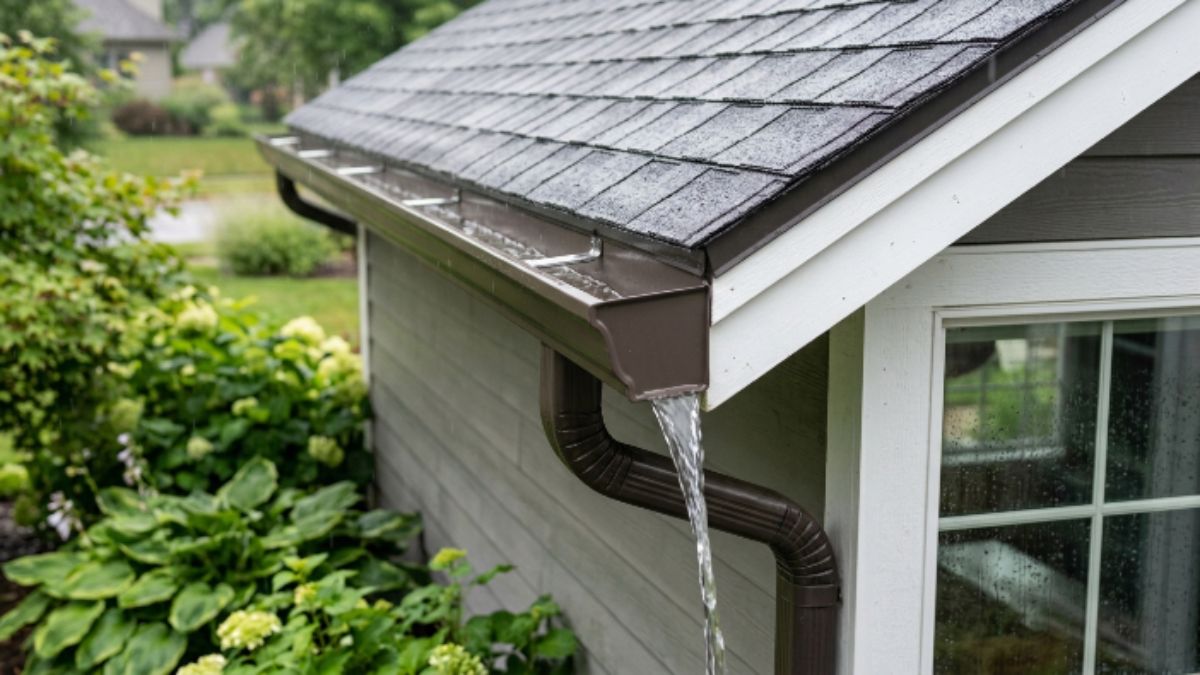
A home’s exterior is designed to withstand rain, wind, sunlight, and changing weather conditions, but one of the most important components responsible for protecting the structure is often overlooked.Gutter systems play a critical role in collecting rainwater from the roof and directing it safely away from the home’s foundation, siding, landscaping, and other structural elements. Without a properly functioning gutter system, even a moderate rainfall can cause water to overflow around the property, leading to foundation problems, roof damage, basement flooding, soil erosion, and costly repairs. Although gutters may appear simple, they are an essential part of a home’s overall drainage system and require professional installation, routine maintenance, and timely repairs to perform effectively for many years.
Many homeowners only think about their gutters when they become clogged or begin overflowing during heavy rain. Unfortunately, waiting until visible problems appear often means that hidden damage has already started developing. Water that is not properly directed away from the home can slowly weaken the roof edge, damage fascia boards, stain exterior walls, saturate landscaping, and compromise the stability of the foundation. Professional gutter services help homeowners avoid these expensive issues by ensuring that every part of the drainage system functions efficiently throughout the year. Whether you are building a new home, replacing aging gutters, or upgrading your existing drainage system, investing in professionally installed gutter systems provides long-term protection, improved curb appeal, and greater peace of mind.
Understanding the Purpose of Gutter Systems
A gutter system is designed to collect rainwater as it flows off the roof and channel it through strategically placed downspouts that discharge water a safe distance away from the home’s foundation. While this process may seem straightforward, it performs several vital functions that protect nearly every part of the property. Without gutters, rainwater would pour directly from the roof onto the ground below, creating excessive moisture around the foundation, damaging flower beds, washing away soil, and increasing the likelihood of basement water intrusion.
Modern gutter systems are carefully designed to handle large volumes of water during heavy storms while maintaining consistent flow throughout the drainage network. Every component, including gutters, downspouts, elbows, brackets, splash blocks, and drainage extensions, works together to move water efficiently away from vulnerable areas. Proper installation ensures that gutters maintain the correct slope, preventing standing water while allowing rainwater to drain smoothly even during intense weather conditions.
Professional contractors evaluate roof size, pitch, rainfall patterns, landscaping, and drainage requirements before designing a gutter system that provides maximum performance. This customized approach helps ensure reliable protection for many years while reducing the need for frequent maintenance or repairs.
Why Proper Water Drainage Is Essential
Water is one of the most destructive forces affecting residential structures. Although roofing materials provide the first layer of protection, rainwater must be directed away from the property after leaving the roof. Without an effective gutter system, water accumulates around the home’s perimeter where it gradually weakens the surrounding soil and places additional pressure on foundation walls.
Over time, excessive moisture may lead to foundation settlement, basement leaks, crawlspace humidity, mold growth, and structural cracking. Water overflowing from clogged or damaged gutters can also rot fascia boards, soffits, siding, and window trim while staining exterior finishes. Landscaping suffers as well because concentrated runoff washes away mulch, erodes flower beds, damages shrubs, and creates uneven ground around the property.
Properly functioning gutters prevent these issues by controlling the movement of rainwater before it has an opportunity to damage structural components. By directing water safely away from the home, gutter systems preserve both the appearance and long-term stability of the property.
Common Problems Affecting Gutter Systems
Even high-quality gutters require regular maintenance because they remain exposed to leaves, branches, dirt, heavy rain, snow, and changing temperatures throughout the year. One of the most common problems is clogging caused by leaves, pine needles, twigs, and other debris accumulating inside the gutters. Blocked gutters prevent water from flowing properly, causing overflow that damages roofing materials, siding, and landscaping.
Sagging gutters are another common issue. Over time, heavy debris, standing water, or failing brackets may cause sections of the gutter to pull away from the roofline. This not only reduces drainage performance but also places additional stress on fascia boards and roofing components. Leaking seams, rust, corrosion, cracked sections, loose downspouts, and improper slope can also reduce the effectiveness of the entire system.
Ice dams during winter months may create additional challenges by preventing proper drainage while forcing water beneath roofing materials. Professional inspections allow contractors to identify these issues before they result in more extensive structural damage.
Signs That Your Gutters Need Professional Attention
Many homeowners overlook early warning signs that indicate gutter problems are developing. Water spilling over the edges during rainfall is one of the clearest indicators that cleaning or repairs are needed. Pools of water forming near the foundation after storms may suggest blocked downspouts or inadequate drainage extensions.
Peeling exterior paint, stained siding, rotting fascia boards, mold growth, or mildew around the roofline often indicate ongoing gutter overflow. Visible sagging, separated joints, loose fasteners, or gutters pulling away from the home should also be addressed promptly because these problems worsen over time.
Inside the home, basement moisture, foundation cracks, crawlspace humidity, or recurring water intrusion may all be connected to ineffective gutter performance. Professional evaluations help determine whether drainage issues are contributing to these structural concerns.
Benefits of Professional Gutter Installation
Professional installation provides far greater long-term reliability than improperly installed or aging gutter systems. Experienced contractors carefully measure the roofline, calculate drainage capacity, and install gutters with the correct slope to ensure efficient water flow throughout the system.
Seamless gutters have become particularly popular because they minimize joints where leaks commonly develop. Fabricated on-site to fit the exact dimensions of the home, seamless systems provide improved appearance while reducing maintenance requirements and increasing overall durability.
Professionally installed gutters also include properly sized downspouts positioned to maximize drainage efficiency. Contractors evaluate roof surface area and local rainfall conditions to ensure that the gutter system can safely manage heavy storms without overflowing or backing up beneath roofing materials.
Choosing the Right Gutter Material
Homeowners have several gutter material options available depending on budget, appearance, maintenance expectations, and durability requirements. Aluminum gutters remain one of the most popular choices because they are lightweight, rust-resistant, affordable, and available in a wide variety of colors.
Steel gutters provide exceptional strength and durability, making them suitable for areas that experience severe weather. Copper gutters offer timeless beauty and impressive longevity while developing an attractive natural patina over time. Vinyl gutters provide a budget-friendly option but may require replacement sooner in climates with significant temperature fluctuations.
Professional contractors help homeowners compare available materials based on long-term performance, maintenance requirements, and architectural style to ensure the most appropriate selection for each property.
Gutter Guards and Maintenance Solutions
One of the most effective ways to reduce ongoing maintenance is by installing gutter guards. These protective systems prevent leaves, twigs, and debris from entering the gutters while allowing rainwater to flow freely into the drainage system. Although gutter guards do not eliminate maintenance entirely, they significantly reduce cleaning frequency and help maintain consistent water flow throughout the year.
Routine inspections remain important even after gutter guards are installed. Contractors inspect fasteners, downspouts, drainage extensions, and overall system performance while removing any debris that may accumulate on the surface of the guards. Regular maintenance extends gutter lifespan while helping homeowners avoid unexpected repair costs.
Protecting the Roof and Foundation
A properly functioning gutter system protects two of the home’s most valuable structural components: the roof and the foundation. By preventing water from backing up beneath shingles, gutters help preserve roof decking, fascia boards, and attic insulation. At the same time, directing water away from the home’s perimeter reduces soil saturation, minimizes hydrostatic pressure, and lowers the risk of foundation movement or basement flooding.
This dual protection helps extend the lifespan of both roofing and foundation systems while reducing maintenance expenses throughout the life of the home.
Improving Property Value and Curb Appeal
Professionally installed gutters contribute to a cleaner, more finished appearance that enhances the overall look of the home. Seamless gutters, coordinated color options, and well-maintained drainage components create a polished exterior that complements roofing, siding, and landscaping.
Potential buyers also recognize the value of an effective drainage system because it demonstrates responsible home maintenance while reducing concerns about future water damage. A high-quality gutter system therefore contributes to both immediate curb appeal and long-term property value.
Choosing an Experienced Gutter Contractor
Selecting an experienced contractor is essential for achieving dependable performance. Professional installers understand proper sizing, slope calculations, drainage design, fastening methods, and material selection. They carefully inspect existing roofing components, fascia boards, and drainage conditions before recommending the most effective gutter solution for the property.
Experienced contractors also provide maintenance guidance, inspect for developing issues, and perform repairs using quality materials that ensure long-lasting performance. Their attention to detail helps homeowners protect one of their most valuable investments while avoiding unnecessary repair expenses.
Conclusion
A professionally designed gutter system is far more than a simple accessory attached to the edge of a roof. It serves as one of the home’s primary defenses against water damage, protecting the roof, siding, foundation, landscaping, basement, and structural framing from excessive moisture. Investing in high-quality gutter systems ensures efficient drainage, improved curb appeal, greater energy efficiency, and reduced long-term maintenance costs. Whether you gutter systems provide dependable protection that preserves the strength, beauty, and value of your property for many years to come.
People Also Read: Why Crawlspace Encapsulations Are a Smart Investment for a Healthier and More Energy-Efficient Home

Welcome to Blessings There! I’m the creator and author behind this website. I love sharing useful insights, informative content, and knowledge that can add value to everyday life.