

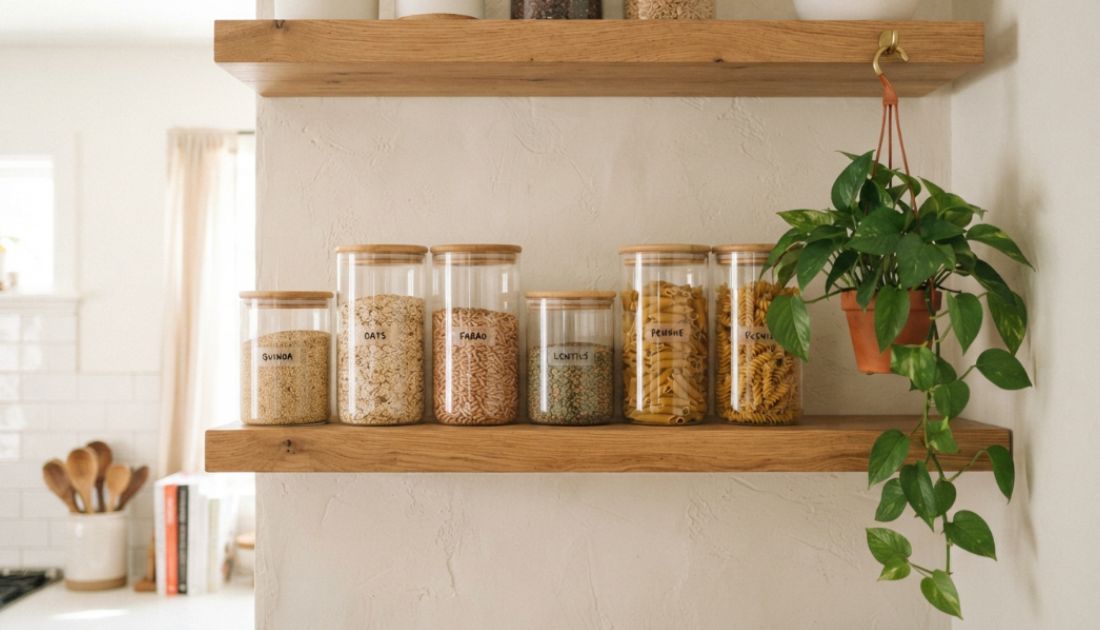
A well-organised home can make everyday life feel noticeably easier. When everything has a place, it becomes simpler to find what you need, keep rooms tidy and make better use of the space available. However, maintaining an organised home can be challenging when belongings continue to accumulate.
From seasonal clothing and old furniture to children’s toys, books, kitchen equipment and sentimental items, many households eventually reach a point where cupboards and wardrobes are no longer enough. The solution is not always getting rid of everything. In many cases, better organisation simply requires a combination of smart storage habits and thoughtful decluttering.
Whether you live in a compact London flat or a larger family home, these practical ideas can help you create a cleaner, calmer and more functional living environment.
Start With One Room at a Time
One of the biggest mistakes people make when organising their homes is trying to tackle everything at once. Looking at an entire house filled with belongings can quickly become overwhelming.
Instead, choose one room or even one small area. A wardrobe, kitchen cupboard, hallway cabinet or bedroom drawer can be a good starting point.
Once you have completed one area, move on to another. This approach makes the process more manageable and gives you a sense of progress without turning home organisation into an exhausting weekend-long project.
Sort Belongings Into Categories
Before deciding where things should go, sort them into clear categories. A simple system could include:
- Keep
- Donate
- Sell
- Recycle
- Store elsewhere
- Dispose
Be realistic when deciding what you actually use. If something has been sitting untouched for several years, ask yourself whether it genuinely needs to remain in your everyday living space.
However, not everything that is rarely used needs to be thrown away. Seasonal decorations, family keepsakes, specialist equipment and furniture may still be valuable even if they are not needed every day.
Make Better Use of Vertical Space
When floor space is limited, look upwards.
Shelves, tall cabinets and wall-mounted storage can help make use of areas that would otherwise remain empty. In kitchens, vertical shelving can provide additional room for cookware and pantry items. In bedrooms, tall wardrobes can offer more storage without taking up additional floor space.
The same principle applies to garages, utility rooms and home offices. Maximising vertical space can sometimes make a room feel larger simply because the floor becomes less cluttered.
Organise Seasonal Items Separately
Seasonal belongings can take up a surprising amount of space. Winter coats, boots, Christmas decorations, fans, outdoor furniture and sports equipment may only be needed for part of the year.
Instead of allowing these items to occupy prime storage space throughout the year, pack them carefully and place them in less frequently accessed areas.
Clearly labelled containers can make seasonal rotation much easier. When the weather changes, you can quickly identify what needs to come out and what can be packed away.
Think Carefully About Bulky Furniture
Furniture can create a particular challenge during home organisation. A large sofa, spare bed, dining table or wardrobe may be useful in the future but unnecessary in your current living situation.
This is particularly common when people move into smaller homes, temporarily relocate for work or renovate their property.
Rather than making a rushed decision about furniture that you may want later, external storage can provide a practical alternative. Services such as Stackt storage can be useful for keeping larger household belongings securely stored while you create more space at home.
The key is to make sure furniture is properly protected before storage. Clean and dry each item, dismantle larger pieces where appropriate and use suitable covers or protective materials.
Give Every Everyday Item a Home
An effective organisation system should make daily life easier, not more complicated.
Think about the items you use regularly and decide where they should live. Keys might have a designated bowl near the entrance. Shoes can be kept in one specific area rather than scattered around the hallway. Important documents can have their own folder or cabinet.
When every frequently used item has a defined location, tidying becomes much faster because you are not constantly deciding where something belongs.
Use Labels to Stay Organised
Labels are particularly helpful when you have several storage containers that look identical.
Instead of opening multiple boxes to find a particular item, a simple label can tell you exactly what is inside. You can organise boxes by room, category or season.
For example, containers could be labelled “Winter Clothes,” “Christmas Decorations,” “Kitchen Equipment” or “Family Photos.”
If you have stored belongings outside the home, keep a basic inventory as well. A digital list or spreadsheet can help you remember exactly what has been placed into storage.
Create a Regular Decluttering Routine
Home organisation is not something that needs to happen once a year. Small, regular efforts can prevent clutter from becoming overwhelming.
Spend a few minutes each week returning misplaced items to their proper locations. Every few months, review wardrobes, cupboards and storage areas to identify things you no longer need.
A useful rule is to remove something whenever you bring something new into a crowded category. For example, if you buy a new coat, consider whether an older one could be donated.
This prevents possessions from gradually taking over your available space.
Avoid Filling Every Empty Space
An organised home does not need to be completely full.
It can be tempting to use every available cupboard, shelf and drawer, but leaving some empty space makes it easier to maintain order. It also gives you room to accommodate new belongings without immediately creating clutter.
If every storage area is already overflowing, it may be time to declutter or consider moving less frequently used possessions elsewhere.
Consider Storage During Major Life Changes
Sometimes clutter is not caused by poor organisation. Life simply changes.
Moving house, having a baby, renovating, downsizing, travelling for an extended period or changing jobs can all create temporary storage challenges.
In these situations, external storage can provide breathing room while you work out what to do next. Instead of rushing to sell or dispose of belongings because you lack space, you can keep important possessions safely stored until you have a clearer plan.
This can be particularly useful in cities where living space comes at a premium.
Build an Organisation System That Fits Your Lifestyle
The best organisation system is one you can realistically maintain. A complicated arrangement may look impressive initially but become difficult to manage after a few weeks.
Focus on convenience. Frequently used items should be easy to access, while seasonal and rarely used belongings can be placed further away.
Every household has different needs, so experiment with different storage methods until you find what works for you.
A More Organised Home Starts With Less Stress
Home organisation is ultimately about making your living environment work better for you. Decluttering unnecessary possessions, using available space efficiently and creating simple routines can make everyday tasks easier.
For belongings that are useful but do not need to occupy your home all year, external storage can also be part of the solution. The goal is not simply to have fewer possessions—it is to create enough space for the things that genuinely matter.
With a little planning and consistency, even a busy household can become more organised, comfortable and easier to manage.
People Also Read: Stefon Diggs Net Worth: Salary, Contracts, Career Earnings & Wealth
