

There’s a certain kind of comfort we barely notice until it disappears. You walk into the house after a long day, kick off your shoes, and the temperature just feels right. No thought required. But when the furnace stops keeping up on a cold evening or the air conditioner starts blowing lukewarm air in the middle of summer, suddenly the HVAC system becomes the most important thing in the house.
Heating and cooling equipment tends to work quietly in the background for years, which is probably why homeowners sometimes forget that it needs attention. A system can still run while gradually becoming less efficient, noisier, and more expensive to operate. Those small warning signs often show up long before complete failure.
Small HVAC Problems Rarely Stay Small
A furnace that takes longer than usual to warm the house might not seem urgent. Maybe the weather is colder than normal, you think. Or perhaps one bedroom has always been a little chilly.
Sometimes that’s true. Other times, the system is telling you something.
Dirty filters, aging components, electrical issues, faulty thermostats, clogged airflow, and worn blower motors can all affect performance. Ignoring these problems generally doesn’t make them disappear. Instead, the equipment works harder to compensate.
That extra workload can mean higher utility bills and unnecessary wear.
Calling a professional heating repair company when something first feels wrong can often prevent a relatively manageable problem from becoming a much larger repair. A technician can check the equipment, identify unusual wear, test important components, and determine whether the issue needs immediate attention or simply routine maintenance.
Your Energy Bill Can Tell a Story
One of the easiest HVAC warning signs to overlook isn’t a strange noise or unusual smell. It’s the monthly utility bill.
Energy prices naturally change, and weather affects heating and cooling costs. Still, if your usage habits haven’t changed much and the bill suddenly climbs, the HVAC system deserves a closer look.
An older furnace may burn more fuel to produce the same amount of heat it once provided easily. An air conditioner with dirty coils or restricted airflow can run much longer than necessary.
It happens slowly, too. A homeowner might not notice an extra ten or fifteen minutes of runtime during every cooling cycle. Over an entire month, though, those minutes add up.
Regular maintenance helps uncover efficiency problems before they become expensive habits.
Comfort Should Be Consistent Throughout the House
Walk from one room to another. Does the temperature change dramatically?
A slightly warmer upstairs bedroom isn’t unusual, especially in multi-story homes. But large temperature differences can indicate airflow problems, ductwork issues, insulation concerns, thermostat problems, or equipment that isn’t operating correctly.
Closing vents in uncomfortable rooms isn’t always the answer either. In some systems, restricting airflow can create additional pressure and force equipment to work harder.
Professional evaluation is useful because HVAC comfort isn’t just about the furnace or AC unit itself. Ducts, registers, insulation, thermostat placement, filters, and even the layout of the home can influence how comfortable individual rooms feel.
Sometimes the fix is surprisingly simple.
Air Conditioning Problems Often Give You a Warning
Air conditioners don’t always fail dramatically. More often, they complain for a while first.
Maybe the system begins making a rattling sound when it starts. Perhaps it runs almost constantly during the afternoon. You might notice weaker airflow coming from the vents or find that the house feels humid even though the thermostat shows the correct temperature.
Those details matter.
Scheduling reliable AC repair before the system completely stops working can make summer considerably less stressful. Technicians may find problems involving refrigerant levels, electrical connections, coils, condensate drainage, fans, compressors, or airflow. Finding the cause early can also reduce the chance of additional components being damaged.
And nobody really wants to begin searching for emergency air conditioning service on the hottest Saturday of the year.
Maintenance Isn’t Just About Avoiding Repairs
Preventive HVAC maintenance sometimes feels like another item on the household checklist, somewhere between cleaning the gutters and testing smoke detectors.
But it serves a practical purpose.
During routine service, technicians can clean important components, inspect electrical connections, check airflow, examine moving parts, test system operation, and look for developing problems. Depending on the equipment, maintenance may also help improve efficiency and extend its useful life.
Homeowners have a role as well.
Replacing filters regularly is one of the simplest things you can do. The correct replacement schedule depends on the filter, household conditions, pets, allergies, and how frequently the system runs. Checking the filter every month is a reasonable habit, even if it doesn’t need replacement every time.
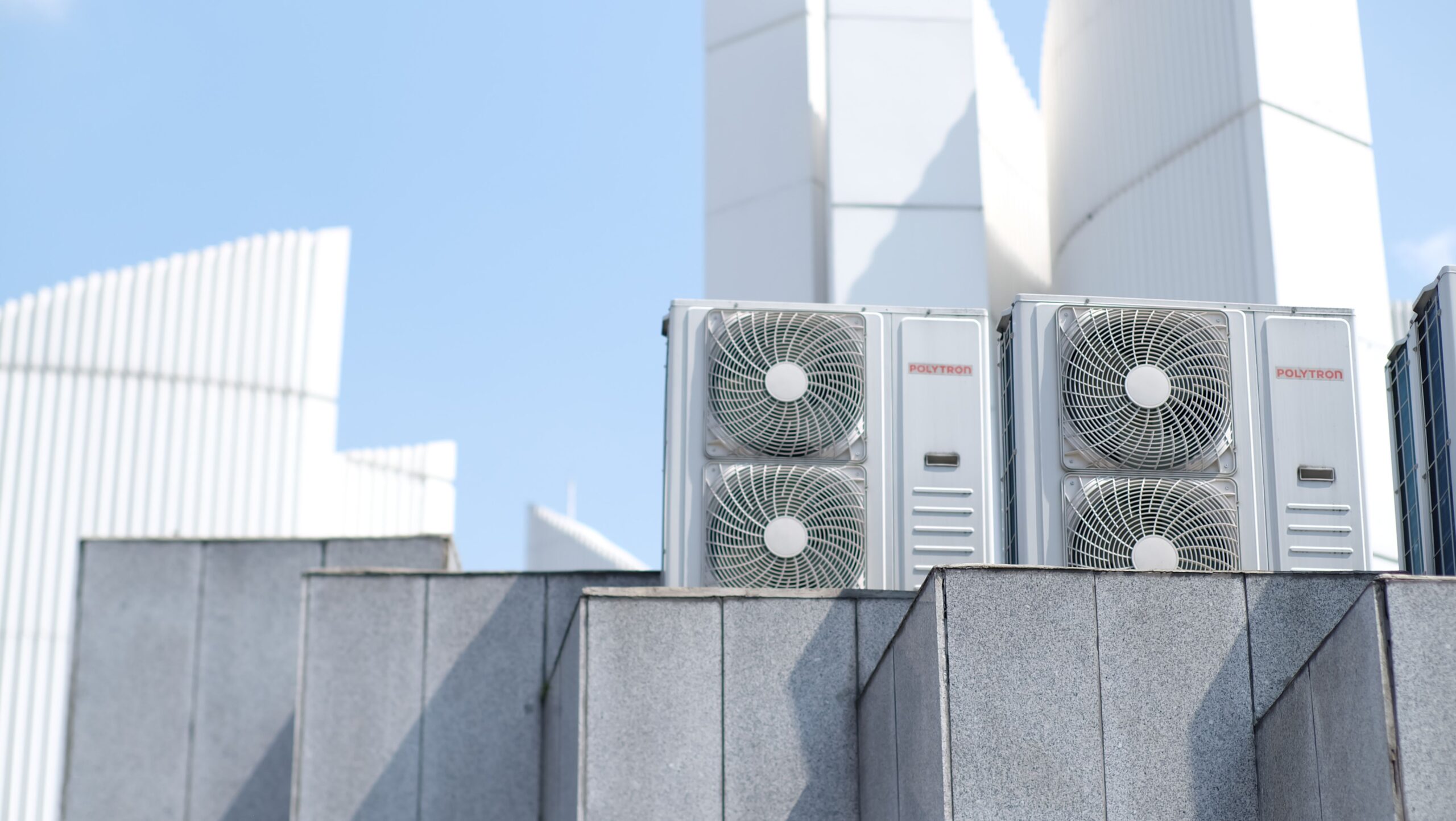
Outdoor AC units should also have breathing room. Leaves, weeds, grass clippings, and debris collecting around the equipment can restrict airflow.
Simple stuff, really. Yet simple maintenance is often what gets forgotten.
Know When Replacement Makes More Sense
Repair isn’t automatically the best choice for every HVAC problem.
A relatively new system with a minor faulty component will often be worth fixing. An aging unit needing repeated repairs is a different situation.
Homeowners should consider the equipment’s age, repair history, efficiency, comfort performance, and the cost of the proposed repair. If you’re constantly calling for service and still dealing with uncomfortable rooms or unusually high energy bills, replacement may deserve consideration.
That doesn’t mean replacing equipment at the first sign of trouble. A trustworthy HVAC professional should be able to explain both options without turning the conversation into a sales pitch.
Ask questions. Get estimates. Understand what you’re paying for.
Comfort Comes From Paying Attention
Most heating and cooling systems don’t need constant attention. That’s part of what makes modern HVAC equipment so convenient. But completely ignoring the system until it stops working can turn an ordinary repair into an uncomfortable emergency.
Listen when the furnace starts sounding different. Pay attention when cooling cycles suddenly seem longer. Notice unexplained changes in energy bills and rooms that don’t feel like they used to.
Those little clues are often the system’s way of asking for help.
A bit of maintenance and timely professional service can keep a home comfortable without making HVAC care complicated. And when the temperature outside becomes unpleasant, having equipment that quietly does its job is something you’ll be very glad you didn’t take for granted.
