

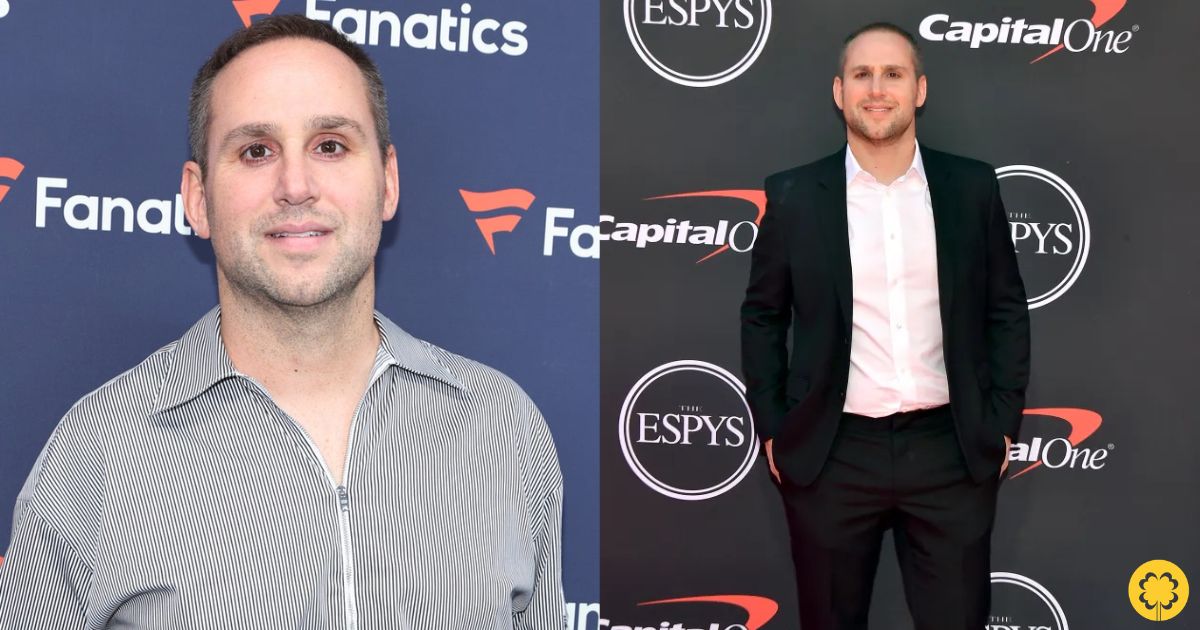
Michael Rubin is a renowned American businessman, entrepreneur, and philanthropist whose journey from a teenage retailer to a billionaire is truly remarkable. With an estimated Michael Rubin net worth of around $10 billion in 2026, he has built much of his fortune through Fanatics, the sports merchandise and digital commerce giant. As the Fanatics CEO, Rubin has transformed the company into a major force in the sports industry.
His business career also includes GSI Commerce, which eBay acquired in a reported $2.4 billion deal. Beyond business, his philanthropy and celebrity connections have made him a widely recognized figure in American sports and entertainment.
What Is Michael Rubin’s Net Worth in 2026?
The estimated Michael Rubin net worth 2026 figure is approximately $10 billion. This makes Michael Rubin a billionaire whose wealth largely comes from business equity rather than a traditional executive salary. His biggest financial asset is his connection to Fanatics, the private digital commerce giant that has expanded across the global sports industry.
It is important to understand that a billionaire’s net worth isn’t the same as money sitting in a bank account. The Michael Rubin net worth estimate includes the value of business interests, investments, and other assets. Since Fanatics remains a private sports company, its valuation can change after funding rounds or major business developments. That means estimates of Michael Rubin wealth, Michael Rubin fortune, and Michael Rubin earnings may differ between financial publications.
| Fact | Details |
| Full Name | Michael G. Rubin |
| Birth Date | July 21, 1972 |
| Birthplace | Lafayette Hill, Pennsylvania |
| Estimated Net Worth | Around $10 billion |
| Main Profession | Entrepreneur, investor, and business executive |
| Best Known For | Fanatics |
| Main Business | Sports merchandise and digital commerce |
| Major Former Company | GSI Commerce |
| Major Philanthropy | REFORM Alliance |
| Known For | Sports, business, philanthropy, and celebrity connections |
The biggest question is often simple: how much is Michael Rubin worth? The best answer is that his estimated fortune sits around the $10 billion mark in 2026. However, no public source can precisely calculate every private asset he owns. His real wealth depends heavily on his ownership interests and the latest Fanatics valuation.
Michael Rubin’s Early Life and Business Beginnings
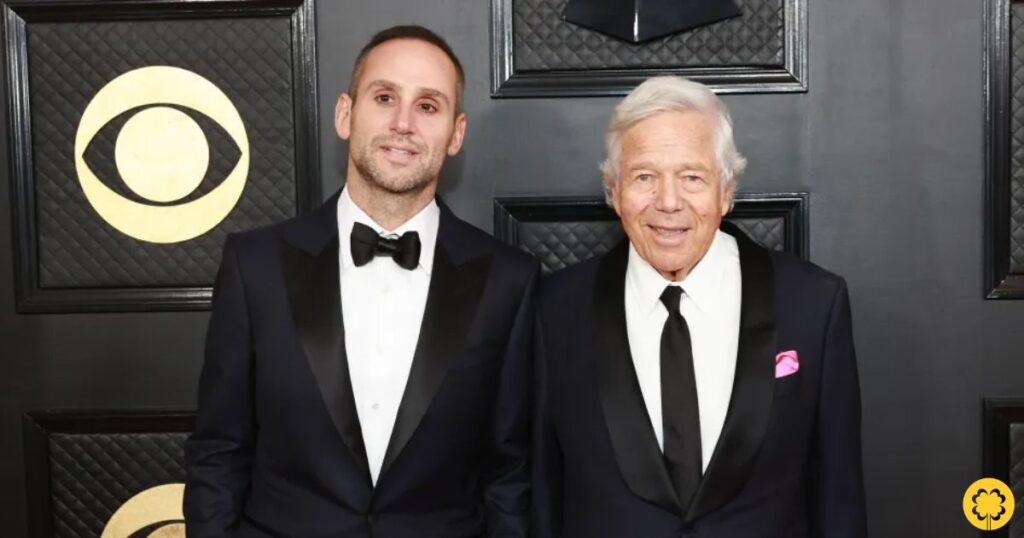
The Michael Rubin early life story looks more like an entrepreneurial case study than a typical billionaire biography. Born on July 21, 1972, in Lafayette Hill, Pennsylvania, Rubin showed business instincts while still a child. At only 12, he started a ski-tuning business in his parents’ basement. That early venture taught him a lesson that would later define his career: find a need, solve it, and create a business around it.
At 14, Rubin used $2,500 from his bar mitzvah money to open Mike’s Ski and Sport in Conshohocken, Pennsylvania. His father had to sign the lease because Michael was still a teenager. The young Michael Rubin entrepreneur quickly learned that business growth comes with risk. By age 16, he reportedly had around $120,000 in debt. His father eventually helped him settle with creditors after Rubin agreed to attend college. He enrolled at Villanova University but stayed for only one semester. Business had already become his real classroom.
How Michael Rubin’s First Businesses Shaped His Fortune
Rubin’s early experience with retail gave him valuable knowledge about athletic equipment, pricing, inventory, and customer demand. He later purchased a large shipment of discounted sports equipment for $200,000 and reportedly earned a $75,000 profit by reselling it. That deal strengthened his belief in the power of buying overstock inventory at a discount.
The experience also taught him how to manage distressed inventory. That skill became useful throughout his Michael Rubin career. Rather than simply selling products, he learned how supply chains, pricing, and distribution could create huge opportunities. Those early lessons eventually helped shape his approach to Michael Rubin entrepreneurship and his later success in Michael Rubin e-commerce.
How Michael Rubin Built His Business Empire
The Michael Rubin business empire grew through a mix of entrepreneurship, acquisitions, and strategic exits. After selling his ski shops, Rubin launched KPR Sports, a company focused on buying and reselling discounted athletic products. The business reportedly grew rapidly. By his early twenties, KPR Sports had reached more than $1 million in annual sales. Its reported sales later grew to roughly $50 million.
Rubin also expanded his interests by purchasing a 40% stake in Rykä, a women’s athletic footwear company. Then, in 1998, he founded Global Sports Incorporated, which later became GSI Commerce. This was a major turning point. Rubin moved from selling physical products into e-commerce and fulfillment, logistics, and online retail infrastructure. His timing proved excellent because the internet was changing how Americans shopped.
Michael Rubin’s Entrepreneurial Strategy
Rubin’s business model has followed a clear pattern. He often identifies a growing market, builds infrastructure around it, and then scales the business aggressively. His experience also shows the value of understanding what happens behind the scenes. Order fulfillment, customer service, manufacturing, and distribution may not sound glamorous, but they can create enormous business value.
That strategy helped Rubin move from being a young entrepreneur to a major celebrity entrepreneur and sports executive. His success didn’t come from one lucky deal. Instead, his Michael Rubin business ventures built on each other. Every company gave him more capital, knowledge, relationships, and opportunities for the next stage.
GSI Commerce and the eBay Acquisition
GSI Commerce became the company that changed Rubin’s financial life. Originally known as Global Sports Incorporated, the company helped major retailers and brands operate online. It offered e-commerce and fulfillment, order fulfillment, technology, logistics, and customer service. At a time when many traditional retailers struggled to understand online shopping, GSI provided the infrastructure they needed.
In 2011, eBay agreed to acquire GSI Commerce in a reported $2.4 billion acquisition. The GSI Commerce sale became one of the defining moments in Rubin’s business career. Yet the most interesting part came after the deal. Rubin regained control of several consumer-focused assets, including Fanatics, Rue La La, and ShopRunner. Instead of simply walking away from e-commerce, he used the transaction to reposition his business empire.
How the eBay Deal Changed Michael Rubin’s Net Worth
The eBay acquisition of GSI Commerce gave Rubin access to significant capital and created a new path for growth. However, the $2.4 billion purchase price shouldn’t be confused with Rubin’s personal cash proceeds. A company’s sale price includes the value of the entire business and its obligations. The founder’s personal gain depends on ownership percentages, deal terms, taxes, and other factors.
The more important story is what Rubin did next. He took valuable consumer businesses and focused heavily on Fanatics. That decision helped turn a successful e-commerce entrepreneur into a dominant figure in the sports business. In many ways, the GSI transaction became the bridge between Rubin’s first fortune and his much larger Michael Rubin billionaire fortune.
Fanatics: The Business Behind Michael Rubin’s Fortune
Fanatics is the centerpiece of Michael Rubin’s modern wealth. The Fanatics CEO helped transform the company from an online retailer into a broad sports platform. Today, its business reaches across licensed merchandise, sports apparel, collectibles, trading cards, and other areas connected to fans and professional sports.
The company’s core business focuses on Fanatics sports merchandise. Fans can buy licensed jerseys, shirts, hats, and other sports gear connected to their favorite teams and players. Fanatics has also built relationships across major sports leagues and organizations. Its operations involve sports licensing, manufacturing, distribution, and advanced data capabilities. These strengths help the company respond quickly when a team wins a championship or a player becomes a new star.
The company has also expanded beyond traditional apparel. Fanatics trading cards and Fanatics collectibles have become major parts of its strategy. The business has also entered live commerce, sports betting, and the broader gaming industry. Its Fanatics Sportsbook ambitions pushed the company into a new area of the sports economy.
Rubin’s business expansion also affected his role as a sports owner. His interests in Fanatics sports betting created potential conflicts with his ownership stakes in professional teams. In 2022, he announced plans to sell his interests in the Philadelphia 76ers and New Jersey Devils. The move allowed him to focus more freely on Fanatics’ expanding sports businesses.
How Fanatics Makes Money
| Business Area | How It Generates Value |
| Licensed Merchandise | Sales of team and league products |
| Sports Apparel | Jerseys, shirts, hats, and sports gear |
| Collectibles | Sports memorabilia and related products |
| Trading Cards | Card sales, partnerships, and collectibles |
| Digital Commerce | Online shopping and fan experiences |
| Live Commerce | Interactive shopping and sports content |
| Sports Betting | Betting and gaming-related services |
| Sports Licensing | Partnerships with leagues and sports organizations |
Fanatics’ strength comes from its ability to connect multiple parts of the sports economy. A fan might buy a jersey, collect trading cards, follow live content, and use other Fanatics services. That ecosystem gives the company more ways to reach customers. It also explains why the Fanatics valuation matters so much when calculating the Michael Rubin net worth figure.
Michael Rubin’s Other Investments and Sources of Income
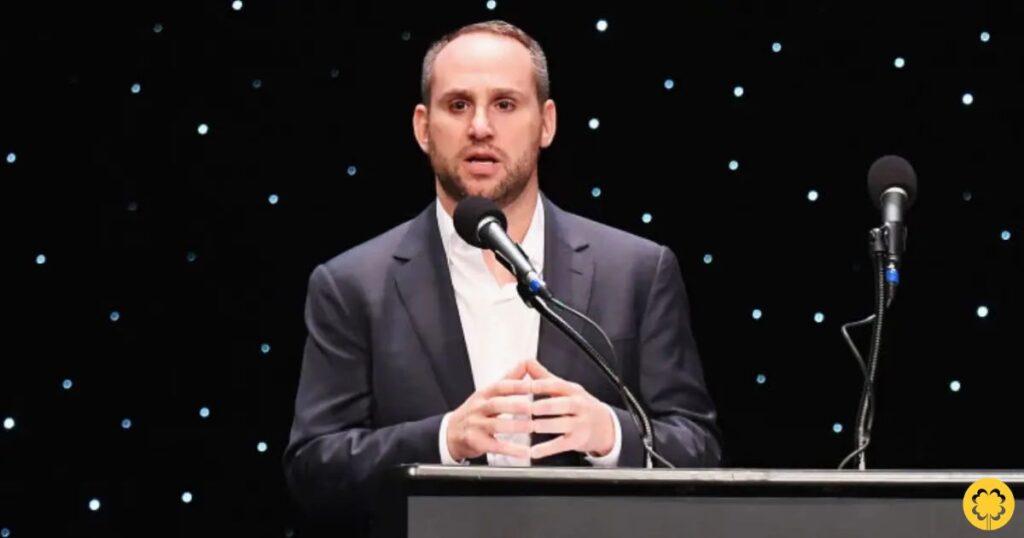
Although Fanatics dominates the conversation around Rubin’s wealth, it isn’t his only business interest. His broader Michael Rubin investments include digital retail and consumer businesses. Rue La La became part of the larger Rue Gilt Groupe, which operates in the online fashion and luxury retail space. These businesses reflect Rubin’s continued interest in digital shopping platforms.
Another major venture was ShopRunner, a membership-based shopping and shipping service. Rubin later sold the company to FedEx in 2020 in a reported $228 million transaction. The ShopRunner sale to FedEx showed another side of Rubin’s strategy. He has repeatedly built companies around changing consumer habits and then created value through strategic exits.
The main Michael Rubin sources of wealth therefore include his business equity, company sales, investments, and appreciation in private-company holdings. His Michael Rubin income is difficult to calculate because billionaire wealth doesn’t work like a normal paycheck. His Michael Rubin earnings can vary significantly depending on business valuations and transactions.
Michael Rubin’s Main Sources of Wealth
| Source | Role in His Fortune |
| Fanatics | Major source of current wealth |
| GSI Commerce | Major historical business success |
| E-commerce | Long-term area of expertise |
| Business Exits | Capital from strategic company sales |
| Investments | Additional wealth-building opportunities |
| Private Equity Holdings | Potential appreciation in company value |
| Consumer Businesses | Exposure to retail and digital commerce |
The important point is that Michael Rubin companies have often operated in fast-growing markets. He understood early that online commerce would reshape retail. Later, he recognized that sports could become an even larger digital ecosystem. That ability to spot the next opportunity remains central to his fortune.
Michael Rubin’s Philanthropy and Reform Alliance Work
Business isn’t the only area where Michael Rubin has built a public profile. Michael Rubin philanthropy has become a major part of his identity. He has supported causes involving criminal justice reform, food insecurity, and community programs. His philanthropic work often connects his business network with celebrities, athletes, and other influential figures.
One of his best-known efforts is REFORM Alliance, which focuses on criminal justice reform. Rubin co-founded the organization alongside figures including Meek Mill, Jay-Z, Robert F. Smith, Robert Kraft, Clara Wu Tsai, and Daniel Loeb. The organization focuses heavily on changing probation and parole systems. Its work includes efforts around probation reform and parole reform.
Rubin’s relationship with Meek Mill played an important role in this work. Meek Mill’s experience with the criminal justice system brought greater public attention to probation issues. Rubin became a strong supporter of the rapper and later helped build a broader movement around reform.
Michael Rubin and REFORM Alliance
REFORM Alliance aims to reduce unnecessary barriers created by probation and parole systems. Its work argues that people shouldn’t face severe consequences for technical violations when they haven’t committed new crimes. The organization’s efforts have helped bring criminal justice policy into conversations involving sports, music, business, and entertainment.
During the COVID-19 pandemic, Rubin also helped launch the All In Challenge. The celebrity charity campaign brought together athletes, entertainers, celebrities, and companies. Participants offered experiences and items for fundraising. The campaign raised money to support people facing food insecurity during a difficult period.
Michael Rubin’s Real Estate, Cars, and Luxury Lifestyle
The Michael Rubin real estate portfolio reflects his billionaire status. His publicly reported properties have included luxury homes in some of America’s most expensive markets. His real estate holdings have reportedly included a Michael Rubin Manhattan penthouse, a Michael Rubin Hamptons mansion, and a Michael Rubin Hollywood Hills home.
In 2018, Rubin reportedly purchased a Manhattan West Village penthouse for $43.5 million. The roughly 7,750-square-foot property reportedly included five bedrooms, five bathrooms, a library, a screening room, a swimming pool, an outdoor kitchen, and a large roof terrace. He later listed the property for around $39 million.
In 2021, Rubin reportedly bought a Hamptons property for approximately $50 million. The home reportedly spans more than 8,000 square feet and includes seven bedrooms. He also reportedly purchased a Los Angeles-area home for about $70 million in 2022. The property has a notable connection to former U.S. President Ronald Reagan and Nancy Reagan.
| Property | Reported Purchase Price | Notable Detail |
| Manhattan West Village Penthouse | $43.5 million | Large luxury penthouse |
| Hamptons Mansion | $50 million | More than 8,000 square feet |
| Hollywood Hills Home | $70 million | Historic celebrity connection |
Michael Rubin’s Luxury Real Estate Portfolio
The Michael Rubin luxury lifestyle goes beyond real estate. His social circle includes athletes, musicians, entertainers, and business leaders. His famous gatherings in the Hamptons have become part of his public image. These events often attract some of the biggest names in American sports and entertainment.
Public information about his private car collection remains limited. Therefore, claims about specific luxury cars should be treated carefully unless reliable sources confirm them. Real estate provides a clearer window into his lifestyle because major property purchases often become part of public records and media reports. Together, these assets help illustrate the scale of his wealth without confusing personal possessions with his overall net worth.
Michael Rubin’s Personal Life and Celebrity Connections
The Michael Rubin personal life has attracted plenty of attention because of his connections to famous athletes, musicians, entertainers, and entrepreneurs. His professional world naturally overlaps with celebrity culture. Fanatics works with major sports organizations, while Rubin’s philanthropy connects him with influential figures from music and entertainment.
Rubin was previously married to dance teacher Meegan Rubin. He has a daughter named Kylie and another daughter named Romi with model Camille Fishel. Discussions about Michael Rubin family, Michael Rubin wife, and Michael Rubin daughters often appear in searches about his biography. However, family members who aren’t public figures deserve privacy.
His friendships with people such as Meek Mill and Jay-Z have also become part of his public story. These relationships demonstrate how Rubin’s influence extends beyond traditional business circles. His network sits at an unusual intersection of sports, entertainment, technology, philanthropy, and luxury culture.
Who Is Michael Rubin Dating?
Rubin’s romantic life has received media attention because of his high-profile social circle. Publicly confirmed relationships should be separated from online rumors and speculation. His connection with model Camille Fishel has been widely reported, particularly because they share a daughter.
Beyond dating headlines, Rubin’s personal brand is strongly tied to his role as a celebrity entrepreneur. His annual gatherings attract famous names, yet his real influence comes from the business relationships he has built over decades. That combination of entrepreneurship and celebrity access makes the Michael Rubin biography particularly interesting to American readers.
Michael Rubin’s Net Worth Growth Over the Years
The story of Michael Rubin net worth is essentially a story of reinvention. He started as a teenage retailer and eventually moved into large-scale sports commerce. His early businesses taught him how to manage inventory. GSI Commerce taught him how to build digital infrastructure. Fanatics then gave him a platform to combine sports, technology, and commerce.
| Period | Major Milestone | Impact on Wealth |
| 1980s | Started early ski businesses | Developed entrepreneurial skills |
| Early 1990s | Built KPR Sports | Expanded in sports retail |
| Mid-1990s | Invested in Rykä | Entered broader athletic markets |
| 1998 | Founded Global Sports Incorporated | Built e-commerce foundation |
| 2011 | eBay acquired GSI Commerce | Major financial milestone |
| 2011 onward | Expanded Fanatics | Built core modern fortune |
| 2020 | ShopRunner sold to FedEx | Created another strategic exit |
| 2022 | Left 76ers and Devils ownership | Reduced potential conflicts |
| 2026 | Estimated net worth around $10 billion | Reflects business equity and investments |
The most important lesson is that Rubin didn’t build his fortune from one transaction. The Michael Rubin net worth growth story developed over decades. He repeatedly entered businesses where technology and consumer behavior were changing quickly. His ability to recognize those shifts helped him build companies with significant value.
Today, Michael Rubin net worth Forbes searches remain popular because readers want a definitive number. Yet the exact figure is difficult to pin down. Private-company valuations can move dramatically. Therefore, the best Michael Rubin net worth estimate should always be treated as an informed approximation rather than a fixed bank balance.
Conclusion
The Michael Rubin net worth 2026 estimate of around $10 billion reflects decades of ambitious entrepreneurship. His story began with a teenage ski business and moved through KPR Sports, GSI Commerce, and the eBay acquisition of GSI Commerce. Each chapter added new skills and new capital to his growing business empire.
Today, the Fanatics CEO stands at the center of a massive sports commerce ecosystem. The founder of Fanatics helped turn sports merchandise into a broader digital business that includes sports apparel, collectibles, trading cards, and sports-related services. His wealth also reflects strategic investments, business exits, and the rising Fanatics valuation.
Yet money isn’t the only part of Rubin’s story. His work with REFORM Alliance, the All In Challenge, and other causes has made Michael Rubin philanthropy an important part of his public profile. His Michael Rubin luxury lifestyle, real estate holdings, and celebrity friendships add another layer to his fascinating biography.
Ultimately, the Michael Rubin fortune is built on one powerful idea: adapt before the market forces you to. From discounted sports equipment to a multibillion-dollar sports platform, Rubin has repeatedly turned change into opportunity. That entrepreneurial instinct may remain the most valuable asset behind the Michael Rubin billionaire story.
FAQ’s About Michael Rubin Net Worth
What is Michael Rubin net worth in 2026?
Michael Rubin’s estimated net worth in 2026 is around $10 billion. Most of his wealth comes from his stake in Fanatics and other business investments.
How did Michael Rubin get so rich?
Michael Rubin built his fortune through GSI Commerce, its sale to eBay, and the rapid growth of Fanatics. He also earned wealth through other e-commerce businesses and investments.
Does Michael Rubin support Trump?
Michael Rubin has publicly supported some Democratic causes and has also criticized Donald Trump. His political views and donations have shifted over time, so his current position should be based on his latest public statements.
How much does Michael Rubin own of Fanatics?
Michael Rubin is a major shareholder in Fanatics, but his exact ownership percentage isn’t publicly disclosed. The company is privately held, so precise individual stakes are difficult to verify.
Where does Michael Rubin live now?
Michael Rubin is associated with homes in New York City, the Hamptons, and Los Angeles. His real estate holdings have included a Manhattan penthouse, a Hamptons mansion, and a Hollywood Hills property.
People Also Read: Denzel Washington Net Worth: How Much Is the Hollywood Legend Worth in 2026?

Welcome to Blessings There! I’m the creator and author behind this website. I love sharing useful insights, informative content, and knowledge that can add value to everyday life.