

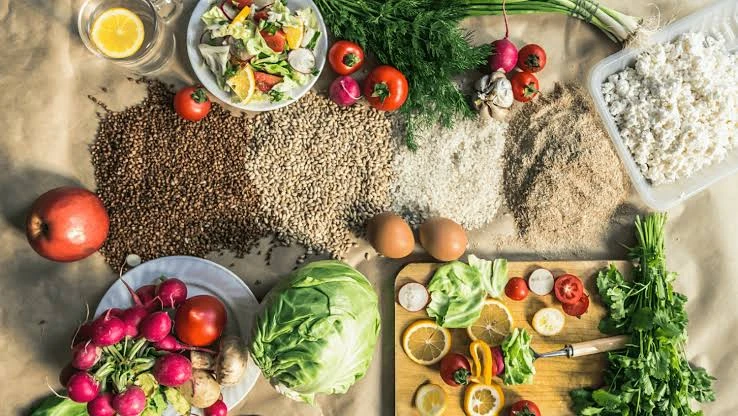
The global food industry is evolving rapidly as consumers seek products that are not only delicious but also made with simple, transparent, and recognizable ingredients. Today’s shoppers carefully read labels, compare ingredient lists, and prefer foods that align with their health and wellness goals. This shift has led manufacturers to rethink product formulations and embrace clean label ingredient solutions that deliver quality, functionality, and visual appeal.
Among the most important components of these formulations are food color ingredients. They play a crucial role in influencing consumer perception, enhancing product appeal, and creating consistency across a wide range of food and beverage applications.
Why Food Color Ingredients Matter
Color is one of the first attributes consumers notice when choosing a food product. A vibrant color often signals freshness, quality, and flavor, while dull or inconsistent colors can reduce product appeal.
Food color ingredients help manufacturers:
- Enhance visual appeal
- Create product consistency
- Reinforce flavor expectations
- Differentiate products on retail shelves
- Build brand recognition
As consumer demand shifts toward naturally sourced ingredients, manufacturers are increasingly replacing synthetic colors with alternatives derived from plants, fruits, vegetables, algae, and spices.
Understanding Food Color Ingredients
Food color ingredients are used to restore, enhance, or create color in food products. They are available in both synthetic and naturally derived forms, but natural options are becoming the preferred choice for many brands.
Common natural food color ingredients include:
- Turmeric – Bright yellow shades
- Annatto – Yellow to orange hues
- Paprika – Orange and red tones
- Beetroot – Red and pink colors
- Beta Carotene – Yellow to orange shades
- Chlorophyll – Natural green colors
- Spirulina – Blue and blue-green tones
- Butterfly Pea Flower – Blue and purple shades
- Fruit and Vegetable Concentrates – A wide range of natural colors
These ingredients enable manufacturers to achieve vibrant colors while supporting clean-label product development.
What Are Clean Label Ingredient Solutions?
Clean label ingredient solutions refer to ingredients and formulation approaches that help manufacturers create products with simpler, more transparent labels while maintaining product quality, safety, and functionality.
Although there is no universal definition of “clean label,” consumers generally associate it with:
- Recognizable ingredients
- Minimal processing
- Naturally sourced components
- Reduced artificial additives
- Simple ingredient declarations
- Greater transparency
Clean-label solutions focus on replacing conventional additives with natural alternatives that meet both technical and consumer expectations.
Beyond Color: Other Clean Label Ingredient Solutions
While food color ingredients are a key part of clean-label formulations, manufacturers also rely on other natural ingredient solutions.
Natural Flavors
Derived from fruits, herbs, spices, and botanical extracts, natural flavors provide authentic taste experiences.
Natural Sweeteners
Ingredients such as stevia, monk fruit, honey, and fruit concentrates help reduce reliance on artificial sweeteners.
Natural Preservatives
Rosemary extract, vinegar, cultured ingredients, and fermentation-based solutions help maintain freshness while supporting clean-label positioning.
Functional Ingredients
Plant proteins, starches, fibers, and hydrocolloids improve texture, stability, and mouthfeel without compromising ingredient transparency.
Together, these ingredients enable manufacturers to develop products that are both consumer-friendly and technically robust.
Applications Across the Food Industry
Food color ingredients and clean-label solutions are widely used in diverse food and beverage categories.
Beverages
Natural colors and flavors enhance juices, flavored waters, sports drinks, and functional beverages while supporting clean-label claims.
Dairy Products
Yogurts, ice creams, flavored milk, and cheese products use natural ingredients to improve appearance and flavor.
Bakery and Confectionery
Cakes, pastries, chocolates, fillings, frostings, and candies rely on natural color systems to create vibrant products with recognizable ingredients.
Snacks and Savory Foods
Seasonings, chips, sauces, soups, and ready-to-eat meals benefit from natural color ingredients and plant-based functional solutions.
Plant-Based Foods
Meat alternatives, dairy substitutes, and vegan products often incorporate natural food color ingredients to deliver an appealing appearance and reinforce plant-based positioning.
Benefits of Food Color Ingredients and Clean Label Solutions
Builds Consumer Trust
Transparent ingredient lists and naturally sourced components help strengthen consumer confidence.
Supports Premium Brand Positioning
Clean-label formulations align with premium, organic, and wellness-focused products.
Meets Changing Market Expectations
Consumers increasingly expect products made with natural ingredients and fewer artificial additives.
Enhances Product Appeal
Natural food colors create attractive products without compromising clean-label goals.
Encourages Innovation
Advances in ingredient technology allow manufacturers to develop new products that combine visual appeal with functionality and sustainability.
Challenges in Clean Label Formulation
Developing clean-label products requires balancing consumer expectations with technical performance.
Stability
Natural pigments may be sensitive to heat, light, oxygen, or pH changes.
Shelf Life
Replacing synthetic additives often requires optimized formulations to maintain quality during storage.
Ingredient Variability
Agricultural ingredients can vary depending on climate, harvest conditions, and sourcing.
Cost Considerations
Natural ingredients may involve higher production and sourcing costs than conventional alternatives.
Continuous research and innovation are helping overcome these challenges through improved extraction methods, stabilization technologies, and application-specific formulations.
The Future of Food Color Ingredients and Clean Label Solutions
The demand for clean-label foods is expected to continue growing as consumers seek products that are healthier, more transparent, and sustainably produced.
Ingredient manufacturers are investing in advanced technologies to improve the stability, consistency, and functionality of natural food color ingredients and other clean-label solutions. Innovations in plant extraction, encapsulation, and fermentation are enabling manufacturers to develop products that meet both technical requirements and consumer expectations.
As food innovation continues, natural ingredients will play an increasingly important role in shaping the future of food manufacturing.
Final Thoughts
Food color ingredients and clean label ingredient solutions have become essential tools for manufacturers seeking to create products that resonate with today’s consumers. Natural colors, flavors, preservatives, sweeteners, and functional ingredients work together to deliver foods that are visually appealing, high performing, and made with recognizable ingredients.
As the clean-label movement continues to influence purchasing decisions around the world, brands that embrace natural ingredient solutions will be better positioned to build trust, encourage loyalty, and drive innovation. Investing in clean-label formulations is no longer simply a trend—it is a strategic approach to meeting the expectations of the modern food industry.
