

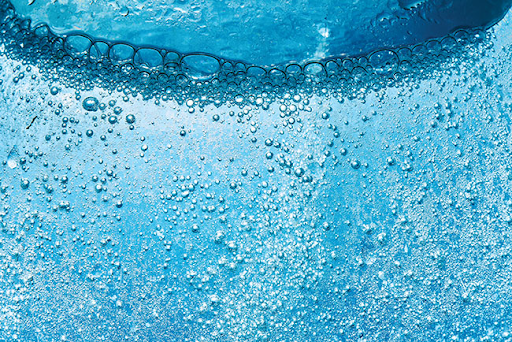
Nano bubble water treatment is quietly changing how facilities, farms, and municipalities approach water quality. By generating gas bubbles that are thousands of times smaller than the ones you see fizzing in a glass of soda, this technology delivers oxygen and other gases deep into water in a way that older aeration and disinfection methods simply cannot match. As concerns over chemical runoff, algae blooms, and aging infrastructure continue to grow, more operators are turning to nano bubble systems as a cleaner, more efficient path to healthier water.
What Is Nano Bubble Water Treatment
At its core, nano bubble water treatment relies on bubbles smaller than 200 nanometers, roughly 2,500 times smaller than a grain of salt. Unlike the large bubbles produced by traditional aerators, which rise quickly to the surface and pop within seconds, nanobubbles behave almost like a separate physical state of matter. Their tiny size means buoyancy has little effect on them. Instead, Brownian motion, the same random jostling that governs particles suspended in a fluid, keeps them distributed evenly throughout the water column for hours, days, or in some cases months.
This persistence is what sets nano bubble water treatment apart. Because the bubbles do not rise and burst immediately, the gas they carry has far more time to interact with contaminants, microorganisms, and dissolved compounds in the water. That extended contact time translates directly into better treatment outcomes without requiring additional chemicals or longer retention basins.
Size, Charge, and Stability
Nanobubbles typically carry a negative surface charge, often between negative 15 and negative 30 millivolts. This charge keeps individual bubbles from merging or clumping together, which helps them stay stable and evenly dispersed. Their nanoscale dimensions also create unusually high internal pressure, which reinforces their structural integrity even in turbulent or chemically complex water.
Oxygen Transfer Efficiency
One of the most cited advantages of nano bubble water treatment is oxygen transfer efficiency. Conventional aeration methods often struggle to dissolve oxygen effectively, especially in deep tanks or ponds. Nanobubble systems have demonstrated oxygen transfer efficiency above 85 percent within just two feet of water depth, a dramatic improvement that also reduces the energy needed to maintain healthy dissolved oxygen levels.
How Nano Bubble Water Treatment Improves Water Quality
The practical benefits of nano bubble water treatment show up across several dimensions of water quality. Because the technology works without chemical additives, it appeals to industries and municipalities looking to reduce their reliance on chlorine, sulfates, or other treatment chemicals.
Chemical-Free Contaminant Control
Nano bubble water treatment naturally mitigates a range of contaminants by increasing dissolved oxygen and creating an environment that supports beneficial microbial activity. Higher oxygen saturation accelerates the biodegradation of organic waste, which in turn helps control odor and improves overall water clarity. For wastewater operators, this means less dependence on chemical dosing to hit compliance targets.
Algae and Biofilm Reduction
Excess nutrients in ponds, lakes, and industrial water systems often lead to algae blooms that harm aquatic life and create unpleasant odors. Nano bubble water treatment addresses this at the source by improving oxygen availability throughout the water column, which disrupts the low-oxygen conditions that algae and certain harmful bacteria depend on. The same mechanism helps break down biofilm and scale buildup inside pipes, tanks, and irrigation equipment, extending the life of infrastructure while reducing maintenance costs.
Comparing Nano Bubble Water Treatment and Ozone Water Treatment Systems
Facilities researching advanced water treatment options often compare nano bubble water treatment with an ozone water treatment system, since both are chemical-light approaches that rely on gas rather than traditional chemical dosing.
How Ozone Water Treatment Systems Work
An ozone water treatment system generates ozone by exposing oxygen molecules to an electrical discharge, splitting them apart so they recombine into ozone, or O3. Once introduced into water, ozone oxidizes contaminants by transferring oxygen atoms directly to them, then breaks back down into oxygen without leaving chemical residue behind. This makes an ozone water treatment system highly effective against bacteria, viruses, protozoa, certain metals, pesticides, and taste or odor compounds. Because ozone decomposes quickly, however, it does not provide lasting residual disinfection the way chlorine does, and it requires specialized equipment along with careful operational oversight.
Where Each Technology Excels
Nano bubble water treatment tends to shine in applications where sustained oxygen delivery, algae control, and long-term water quality maintenance matter most, such as aquaculture ponds, agricultural irrigation, and wastewater lagoons. An ozone water treatment system, by contrast, is often the better fit when rapid, high-intensity disinfection is the primary goal, such as treating drinking water sources contaminated with pathogens. Many facilities find that understanding these distinctions helps them choose the technology, or combination of technologies, best suited to their specific water quality challenges.
Combining Nano Bubble and Ozone Water Treatment Systems for Better Results
Some of the most effective modern water treatment strategies pair nano bubble water treatment with an ozone water treatment system rather than choosing one over the other. Ozone can be delivered as nanobubbles themselves, which extends its contact time with contaminants far beyond what conventional bubble diffusion achieves. This combination allows facilities to capture the disinfection strength of ozone while benefiting from the prolonged gas retention and even distribution that nanobubble technology provides. The result is often faster contaminant breakdown, improved water clarity, and reduced chemical usage compared to relying on either method alone.
Practical Applications Across Industries
Nano bubble water treatment has moved well beyond the laboratory and into everyday use. Aquaculture operations use it to raise dissolved oxygen levels for healthier fish stocks without expensive mechanical aerators running around the clock. Agricultural producers apply nanobubble-infused irrigation water to improve root oxygenation and reduce reliance on pesticides, since the technology helps suppress certain pathogens naturally. Municipal wastewater plants use it to cut down on odor complaints and improve effluent quality before water is released back into the environment. Food and beverage processing facilities rely on it to clean equipment surfaces and reduce biofilm without introducing additional cleaning chemicals into their systems.
Choosing the Right System for Your Water Quality Needs
Deciding between nano bubble water treatment, an ozone water treatment system, or a combination of both ultimately depends on the specific water quality problem being solved. Facilities dealing with low dissolved oxygen, algae growth, or biofilm buildup often see the most benefit from nanobubble technology alone. Those facing acute pathogen contamination or needing rapid oxidation of specific chemical compounds may lean toward ozone, or toward a hybrid system that captures the strengths of both.
What is clear is that nano bubble water treatment represents a meaningful shift in how water quality challenges are being addressed. It offers a chemical-light, energy-efficient way to improve oxygen levels, control unwanted organisms, and protect infrastructure, all without the drawbacks associated with heavier chemical treatment programs. As more facilities look for sustainable solutions, nano bubble water treatment, whether used on its own or alongside an ozone water treatment system, is proving to be one of the more promising tools available for keeping water clean, healthy, and safe.
