

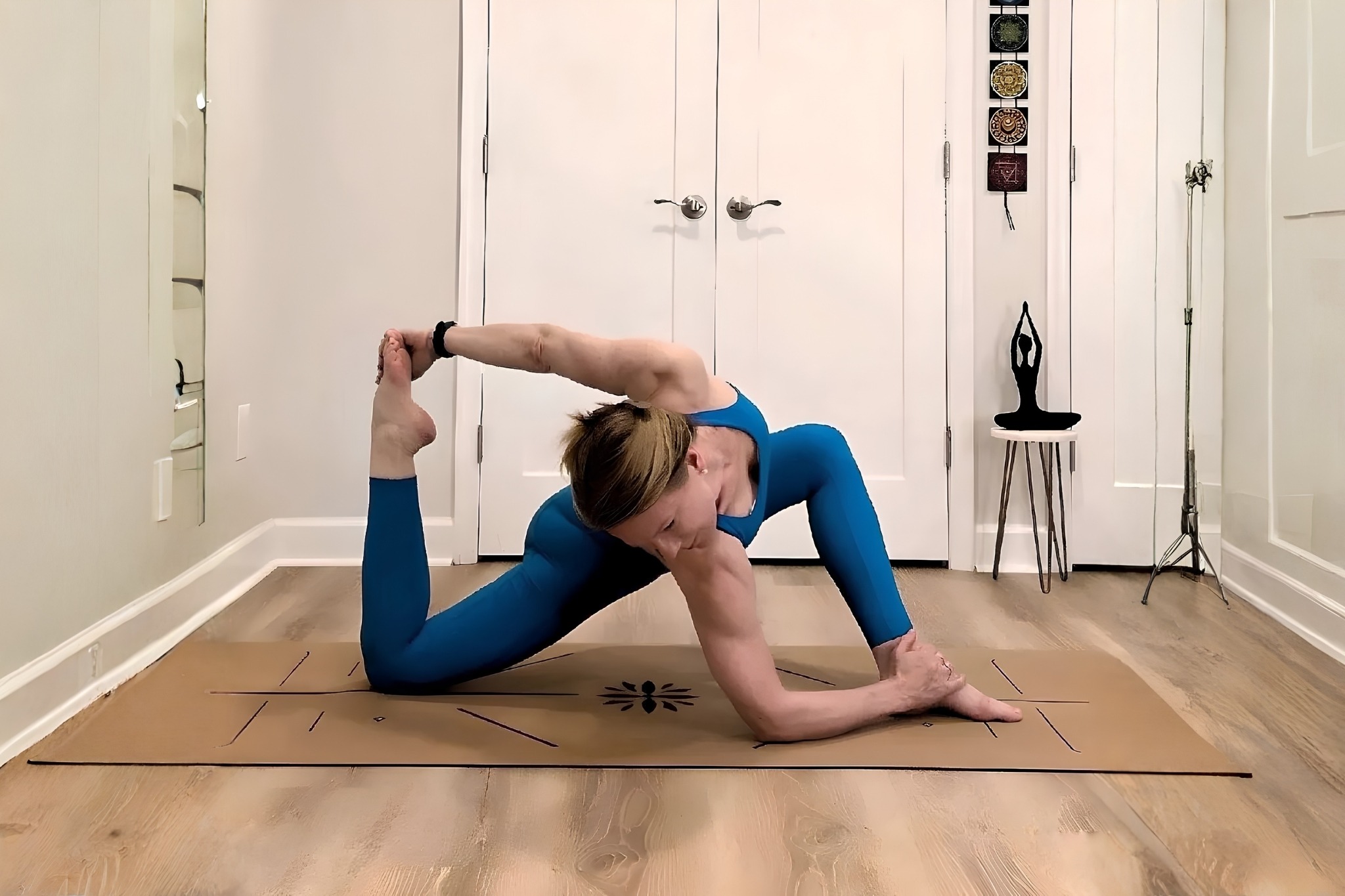
A few e years ago, I unrolled a new mat and was hit with the sharp smell of plastic. Before I even got into my first stretch. Turns out that’s off-gassing, and it’s a big part of why people keep moving toward a non toxic cork yoga mat these days. Cork is derived from tree bark and not from any petroleum product; this one thing alone will make quite a difference: texture, longevity, and more importantly, what you breathe in while playing.
Same story with props, honestly. More yogis are pairing their mats with a decent bolster for restorative sessions now, since what supports your back matters nearly as much as what’s under your feet.
What Actually Makes a Non Toxic Cork Yoga Mat Different
Most budget mattresses are composed of PVC or synthetic rubber filled with plasticizers. Even weeks after purchase, they continue to off-gas in your closet. In addition, many have phthalates in them, and these are constantly being linked to hormone disruption in various studies. Cork sidesteps that mess entirely. The top layer comes from bark harvested off cork oak trees, and the base is usually natural tree rubber, not foam.
There’s a texture quirk here that catches people off guard. Cork actually grips better as you sweat more. Sounds wrong, doesn’t it? You’d expect moisture to make things slippery, and it does on rubber. Cork just doesn’t play by that rule, which is probably why hot yoga folks gravitate toward it.
It Holds Up Longer Than You’d Guess
Cork resists mold and that gym-bag funk on its own, no chemical treatment required. Ever had a mat go musty after two months in your bag? You won’t run into that here. A good cork mat can last for years, which honestly makes the higher price tag feel a lot less painful once you break it down over time.
Health Reasons People Are Making the Switch
Your skin absorbs more than people give it credit for during a sweaty hour of practice. Here’s the short version of what changes once you drop synthetic materials for cork:
- No plastic smell takes over your living room
- No plasticizers touching your hands, feet, or face mid-forward-fold
- A renewable material, since harvesting bark leaves the tree standing
- Grip that holds up, or even improves, the harder you work
- A mat that actually breaks down someday instead of sitting in a landfill
That last bit gets skipped over a lot. Cork oak bark regrows over several years after each harvest, so the overall process is gentler on the planet than churning out more plastic.
Using an Organic Yoga Bolster with Your Mat
A good mat only handles half the job. The other half is support, especially in yin or restorative classes, and that’s where a bolster steps in. Cheap versions stuffed with synthetic foam and wrapped in polyester trap heat and off-gas, not unlike the low-end mats we’ve been talking about.
An organic yoga bolster avoids all that. This is generally stuffed with either organic cotton batting or buckwheat hulls, encased in an organic cotton cover. This item retains its shape over months of use; it allows your body to breathe more easily and will not become flat and miserable as foam does over a year.
For those who enjoy prenatal or restorative yoga, or even just need something under their legs for longer poses, combining a good mat with the right bolster makes sense. Fewer synthetics, more honest materials, top to bottom.
Figuring Out Which Cork Mat Fits You
Before buying, ask yourself a few things.
- How sweaty does your practice usually run?
- Do your knees need real cushioning, or are they mostly fine?
- Is this mat traveling with you a lot, or staying home
- Are you shopping for other props at the same time, maybe blocks or a bolster?
Your answers should point you toward the right thickness for a non toxic cork yoga mat. Most sit between 4mm and 6mm. Go thinner if you want a better feel for the ground during balance work, and thicker if your knees need the padding during kneeling poses. When in doubt, thicker is the safer bet.
Basic Care Keeps It Lasting
Wipe it down with a damp cloth and a little mild soap after sweaty sessions. That’s it, nothing more complicated than that. Don’t soak it, since the rubber base takes forever to dry out once it’s fully saturated. Dry it flat, not rolled up, because trapped moisture is really the only thing that shortens a cork mat’s life in the long run.
Conclusion
Switching to a non toxic cork yoga mat won’t remake your practice overnight. But you’ll feel the difference at first time use it. Better grip, cleaner materials, and a product that eventually breaks down instead of outliving you in a landfill somewhere. Add a solid bolster into the mix, and your whole setup quits relying on synthetics for something your skin touches nearly every day. That alone makes it worth considering.
