

Solar panels last for many years, but they perform best when owners treat maintenance as part of regular system care. Dirt, leaves, bird droppings, moisture buildup, and unnoticed physical damage can gradually reduce output and place extra stress on components. Good maintenance does not need to be complicated. Most systems benefit from simple cleaning, periodic inspections, and seasonal attention to shading, debris, and mounting stability. These steps help preserve energy production and reduce the risk of preventable problems over time. Whether you use rooftop modules or portable panels for outdoor power, understanding how to care for them properly can protect your investment. The right maintenance routine keeps panels working efficiently, safely, and consistently through changing weather and daily use.
Why Solar Panel Maintenance Matters
How Regular Care Improves Performance
Regular care keeps the panel surface clear, allows sunlight to reach the cells more effectively, and supports steady power production. Even a thin layer of dust or pollen can reduce efficiency, especially during long dry periods. Routine inspections also help identify small issues before they affect performance, including loose wiring, debris around the frame, or new shade from growing trees. Seasonal checks are useful because weather conditions change how panels operate. Snow, heavy rain, strong wind, and intense summer heat can all affect cleanliness and surrounding conditions. When owners clean safely and inspect panels on schedule, the system can operate more efficiently and maintain stronger long-term energy output.
Common Causes of Reduced Solar Panel Lifespan
Reduced solar panel lifespan often comes from preventable physical and environmental stress. Dirt buildup, standing moisture, and accumulated debris can trap heat or block sunlight for extended periods. Repeated impact from falling branches, hail, or rough handling may damage the glass, frame, or internal cells. Poor storage practices also create risk for portable panels, especially when cables are bent sharply or panels are packed while wet. Loose mounts and unstable placement can expose panels to vibration and wind damage over time. In addition, ignoring minor cracks, frayed connectors, or corrosion allows small faults to worsen. Early action matters because untreated wear usually leads to faster performance decline and more costly repairs later.
Essential Solar Panel Maintenance Tips
Cleaning, Inspection, and Seasonal Care
Clean solar panels during cooler parts of the day so water does not evaporate too quickly and leave residue behind. A light rinse and soft wipe are usually enough for routine maintenance. For stubborn debris such as dried bird droppings or tree sap, let water soften the area first rather than scrubbing aggressively. During inspection, pay attention to the panel surface, frame edges, cables, and connectors. Look for grime trapped around seals, bent corners, or wear where cables meet plugs. Seasonal care should match local conditions: pollen in spring, dust in summer, leaves in autumn, and snow or ice in winter. After strong wind or rain, check whether debris has shifted or if the panel angle has changed. These small habits help maintain output and reduce preventable wear.
Preventing Damage and Knowing When to Seek Help
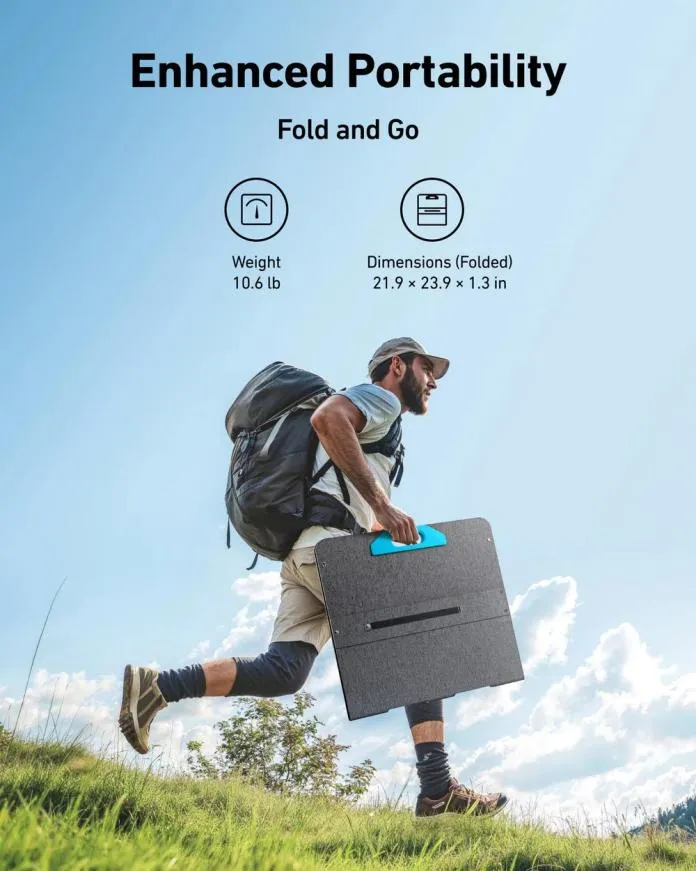
Preventing damage starts with proper handling and placement. Set panels on stable, clean surfaces away from foot traffic, sharp objects, and areas where equipment may fall against them. Avoid dragging panels, forcing hinges, or sharply bending cables. When storing portable units, fold them carefully, keep accessories organized, and make sure everything is dry. The Anker SOLIX PS100 Bifacial Portable Solar Panel is designed to simplify outdoor maintenance with a reinforced aluminium frame, impact-resistant materials, IP68 water and dust resistance, and a 10-year lifespan backed by a 5-year warranty. At 7 lb including the stand, it is also easier to carry and reposition safely. Seek professional help if you notice cracked glass, persistent low output, exposed wiring, overheating connectors, or physical damage after severe weather or accidental impact.
Choosing Durable Solar Panels for Easier Maintenance
Features That Reduce Maintenance Needs
Panels with sealed construction, strong frames, and weather-resistant materials generally require less effort to maintain. Water and dust protection help reduce the risk of contamination reaching sensitive parts, while reinforced edges and impact-resistant surfaces improve durability during setup, transport, and outdoor exposure. Lightweight construction also matters because easier handling lowers the chance of drops, frame stress, or cable strain. Foldable designs can simplify storage and protect panel surfaces when not in use. Another useful feature is strong thermal performance. Panels built with efficient cells that limit energy loss in high temperatures can continue producing power more effectively during summer use. Overall, durable construction and user-friendly design reduce the likelihood of maintenance problems and make routine care more manageable.
Portable Solar Panels Designed for Reliable Outdoor Use
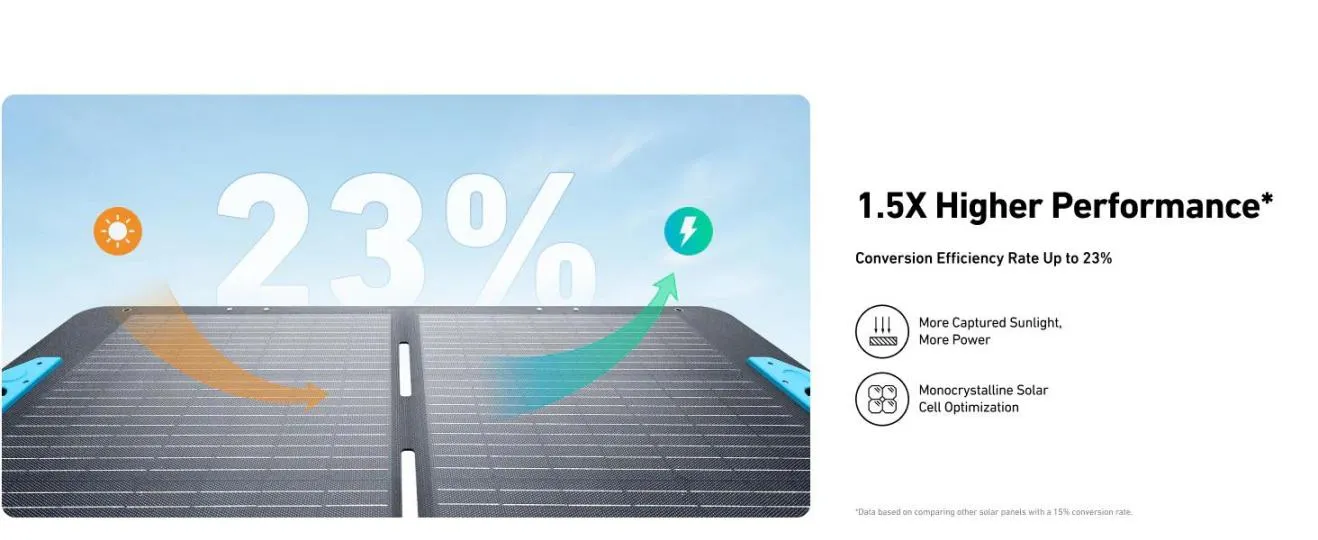
Portable solar panels for outdoor use should balance efficiency, durability, and easy transport. The Anker SOLIX PS100 Bifacial Portable Solar Panel is a good example of a design focused on reliable field use. It is more than 30% lighter than typical 100W panels and 10% lighter than the previous version, with a foldable format that simplifies setup and storage. Its bifacial design can deliver up to 10% more power by capturing light from both sides, especially in reflective environments such as sand, snow, or concrete. It also uses advanced N-type solar cells with 25%+ conversion efficiency and improved high-temperature performance. In the box, users get the panel, two 8.2 ft solar charging cables, one 1.6 ft XT60i cable, a quick start guide, and a safety card.
Conclusion
Solar panel maintenance is one of the simplest ways to protect long-term performance and extend system lifespan. Regular cleaning, careful inspections, seasonal adjustments, and safe storage all help prevent small issues from turning into larger failures. Clear surfaces collect more sunlight, stable mounting reduces physical stress, and early detection of damage supports safer operation. Durable panel design can also make upkeep easier, especially for portable models used in demanding outdoor settings. The key is consistency. A practical maintenance routine does not require much time, but it can preserve efficiency, improve reliability, and reduce avoidable wear. With the right care habits, solar panels can continue delivering dependable power and stronger value for many years.
