

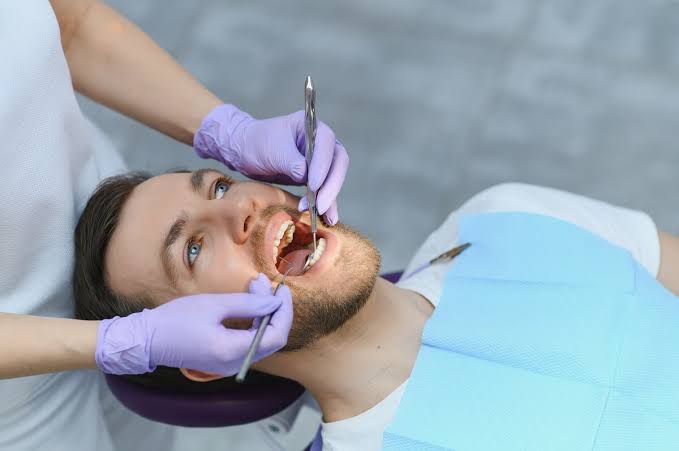
Most people only think about booking a dental appointment when something starts to hurt. A dull ache, a chipped tooth, or bleeding gums usually gets our attention. The problem is that many dental issues begin quietly, long before you notice any symptoms.
Routine dental visits are about more than keeping your smile bright. They help identify small problems before they become expensive or uncomfortable. Whether you’ve recently moved or you’re searching for a Dental Care Specialist in Redcliffe, understanding the value of preventive care can make a real difference to your long-term oral health.
Small Problems Are Easier to Fix
Think of your teeth like your car. Regular servicing helps prevent major breakdowns, and the same idea applies to your mouth.
A tiny cavity may only need a simple filling. Left untreated, that same cavity can reach the inner part of the tooth, leading to infection and the need for more complex treatment such as a root canal or extraction.
Regular checkups give your dentist the chance to spot these issues while they’re still manageable.
Hidden Problems Aren’t Always Painful
Pain isn’t always the first warning sign. Many dental conditions develop without causing discomfort, including:
- Early tooth decay
- Gum disease
- Hairline cracks
- Worn fillings
- Bite alignment problems
By the time pain appears, the issue has often progressed much further than most people realize.
Professional Cleaning Goes Beyond Brushing
Even if you’re diligent about brushing twice a day and flossing regularly, there are areas that are difficult to clean completely.
Over time, plaque hardens into tartar, which cannot be removed with a toothbrush alone. Professional cleaning helps remove this buildup before it causes gum inflammation or tooth decay.
Healthier Gums Mean Healthier Teeth
Healthy gums are the foundation of a healthy smile. When plaque accumulates below the gumline, it can lead to gingivitis, which may eventually progress to periodontal disease if ignored.
Signs to watch for include:
- Bleeding when brushing
- Persistent bad breath
- Swollen or tender gums
- Gum recession
Treating gum disease early is usually much simpler than dealing with advanced bone or tooth loss later.
Your Dentist Can Spot More Than Cavities
Many people don’t realize that routine dental examinations also involve checking the overall health of your mouth.
During a checkup, your dentist may look for:
Changes in Soft Tissue
The tongue, cheeks, lips, and roof of your mouth can all show early signs of health concerns that deserve attention.
Teeth Grinding
Many people grind their teeth while sleeping without knowing it. Worn enamel, jaw soreness, and headaches can all point to nighttime grinding.
Catching this early may help prevent cracked teeth and unnecessary wear.
Bite Problems
An uneven bite can place extra pressure on certain teeth, causing excessive wear over time. Small adjustments or preventive treatments may help reduce future complications.
Dental Care Can Save You Money
It’s easy to postpone a dental visit because everything feels fine.
Ironically, delaying appointments often ends up costing much more.
Consider these examples:
- A small filling generally costs less than treating an infected tooth.
- Professional cleaning is usually less expensive than treating advanced gum disease.
- Repairing a tiny crack is often easier than replacing a broken tooth.
Preventive care isn’t just good for your health. It’s often the most affordable approach as well.
Children Benefit From Early Dental Visits
Building positive dental habits starts early.
Regular checkups help children become comfortable with dental visits while allowing dentists to monitor developing teeth and jaws.
Early appointments can also identify concerns such as:
- Crowded teeth
- Bite issues
- Thumb-sucking effects
- Early cavities
Addressing these concerns while children are still growing often leads to simpler treatment options.
Good Oral Health Supports Overall Health
Your mouth is connected to the rest of your body.
Research continues to show links between oral health and conditions such as diabetes, heart disease, and certain inflammatory illnesses. While good dental care isn’t a cure for these conditions, reducing oral inflammation can contribute to better overall health.
Keeping your mouth healthy is simply another part of looking after your body.
How Often Should You Visit?
For many people, visiting the dentist every six months works well.
However, some individuals may benefit from more frequent visits, particularly if they have:
- A history of gum disease
- Diabetes
- Heavy tartar buildup
- Smoking habits
- Ongoing dental treatment
Your dentist can recommend a schedule based on your individual needs rather than following a one-size-fits-all approach.
Building Healthy Habits Between Visits
Dental appointments are only part of maintaining a healthy smile.
Simple daily habits still matter:
- Brush twice each day using fluoride toothpaste.
- Floss or clean between your teeth daily.
- Drink plenty of water.
- Limit sugary snacks and drinks.
- Replace your toothbrush every three to four months.
These small routines work together with professional care to keep your teeth and gums healthy.
A Healthy Smile Starts With Prevention
Most serious dental problems don’t appear overnight. They develop gradually, often without obvious symptoms in the early stages.
Routine checkups, professional cleanings, and early treatment can help you avoid unnecessary discomfort while protecting your smile for years to come. Investing a little time in preventive dental care today often means fewer surprises, lower treatment costs, and greater confidence every time you smile.
