

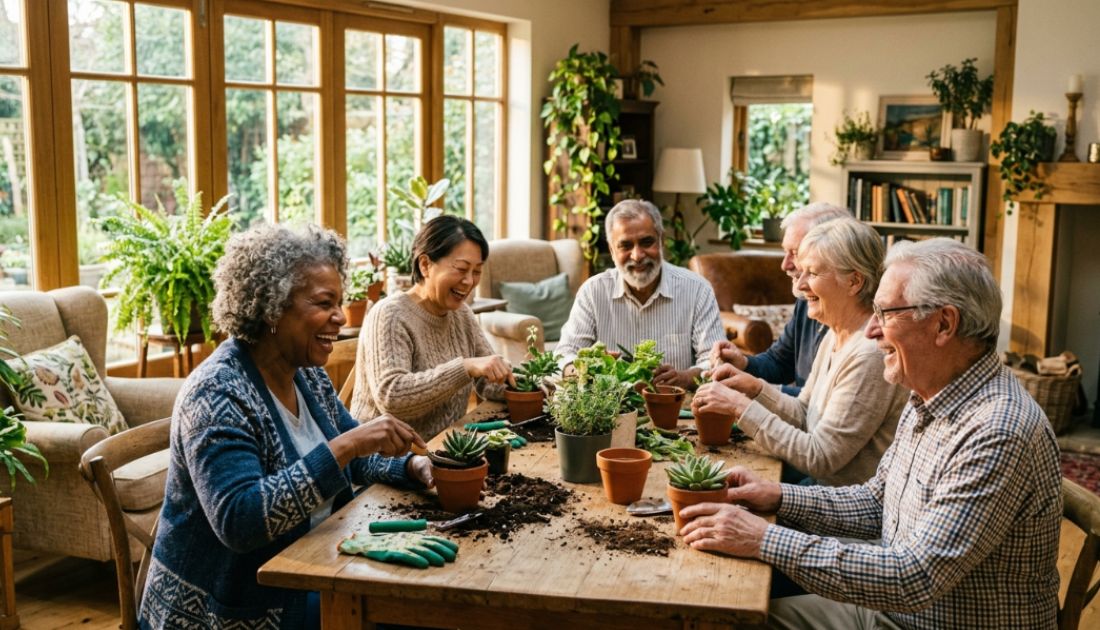
As individuals grow older, the need for vibrant social connections becomes more pronounced. Establishing and nurturing these relationships significantly impacts both health and happiness. Senior living communities are uniquely positioned to address this need, offering supportive environments where residents can form new bonds and enjoy an active, fulfilling lifestyle. For those exploring options like senior living in Montclair, it is reassuring to know that these communities intentionally prioritize connection as a key part of well-being. In addition to improving emotional health, staying engaged with others has been shown to decrease the risks of depression and cognitive decline. Senior living communities are designed to provide this engagement through thoughtful programs and welcoming atmospheres that make forming friendships easier and more natural.
Importance of Social Connections in Aging
Meaningful relationships and regular social interaction bring substantial benefits to seniors’ mental and physical health. Studies cited by reputable organizations demonstrate that seniors with robust social ties are less likely to experience depression, cognitive deterioration, and even heart-related health issues. Connectedness builds a sense of purpose, decreases stress levels, and elevates overall quality of life. As mobility and social circles change with age, the risk of isolation often grows. Senior living communities actively counter these trends through intentional design and programming that foster daily opportunities for both planned and spontaneous interaction.
Programs and Activities Promoting Engagement
One of the pillars of a thriving senior living community is a dynamic calendar of programs designed to inspire, stimulate, and entertain residents. Common offerings include:
- Group fitness and wellness classes
- Arts and crafts sessions
- Music and dance workshops
- Book clubs, game nights, and hobby-centered meetups
- Lectures and educational discussions
These activities are carefully curated to appeal to diverse interests and abilities. By attending group events, residents can share common experiences, discover new passions, and form deep friendships.
Personalized Wellness Approaches
No two residents have the same needs or preferences, which is why many senior living communities are shifting toward personalized wellness initiatives. Holistic wellness frameworks allow individuals to set personal goals for physical health, mental acuity, and social fulfillment. Features of these programs might include access to nutritionists, custom fitness plans, and one-on-one life enrichment sessions. By focusing on the whole person, communities empower residents to thrive in ways that matter most to them. This commitment to individualized care aligns with new perspectives on senior living, aiming not only for safety and comfort but also for enrichment and meaning.
Intergenerational Programming
Building bridges across generations can profoundly impact seniors’ daily experiences. Intergenerational programs unite residents with children, teens, and young adults through shared activities such as collaborative art projects, storytelling circles, and technology tutorials. These interactions spark curiosity, foster empathy, and help both age groups develop a broader perspective on life. Research published by AARP shows that intergenerational engagement helps reduce loneliness among seniors and promotes social and emotional development among younger participants. These innovative programs continue to gain traction in forward-thinking communities.
Technology Enhancing Socialization
Technology is making it easier than ever for seniors to connect, whether within the community or with friends and family far away. Virtual reality activities, online classes, and customized digital engagement platforms have become popular. Some communities have introduced tablet-based programs for sharing photos, playing games, and joining virtual social groups, ensuring everyone can participate. Social media and video calls also provide ongoing access to loved ones, which can help combat feelings of isolation. Staff are often available to help residents learn new digital skills, breaking down barriers to technology and expanding engagement horizons. These innovations underscore how critical access to digital tools has become for fostering connection and well-being.
Success Stories from Senior Communities
The positive results attributed to focused social engagement in senior living communities are clearly documented. Many locations have successfully lowered reported loneliness rates, with some reducing them to half the national average. Residents describe a renewed sense of happiness and purpose, with many forming friendships that feel like family. These success stories illustrate the value of intentional programming, caring staff, and a supportive environment. By emphasizing connection as a core principle, these communities see improvements not only in emotional well-being but also in overall health outcomes, leading to longer, healthier, and more enjoyable lives for seniors.
Choosing the Right Community for Connection
Selecting where to live in one’s golden years is a significant decision, and social engagement should be a primary consideration. Prospective residents and families are encouraged to evaluate each community’s approach to providing opportunities for connection.
- Review the schedule and variety of social programs offered
- Ask about personalized wellness initiatives
- Investigate intergenerational activities
- Check for innovative uses of technology to keep everyone connected
- Take time to visit, attend community events, and speak to staff and current residents
Each of these steps helps ensure a good fit, increasing the likelihood that residents will thrive emotionally and socially in their new home.
Conclusion
Senior living communities are more than just residences. They are places where adults can rediscover joy, build meaningful relationships, and maintain both mental and physical well-being in a supportive environment. Through thoughtfully designed programs, personalized care plans, and the growing use of modern technology, these communities create safe and engaging spaces where seniors can continue to live with purpose and dignity. From wellness activities to social gatherings and lifelong learning opportunities, residents are encouraged to stay active and connected, enriching their daily lives. For families and individuals planning this next chapter, choosing a community that prioritizes connection, comfort, and comprehensive care can make a lasting difference. With the right environment, senior living becomes not just a transition, but a fulfilling and rewarding stage of life.
People Also Read: Magnus Carlsen Net Worth 2026: Income, Chess Earnings, Business Ventures & Wealth Breakdown

Welcome to Blessings There! I’m the creator and author behind this website. I love sharing useful insights, informative content, and knowledge that can add value to everyday life.