

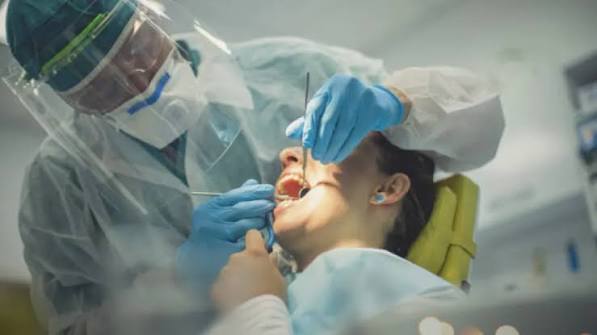
Most Australians understand the basic drills of first aid. We keep band-aids in the cupboard, burns cream in the fridge, and perhaps an ice pack ready in the freezer for when a backyard cricket match goes slightly awry. Yet, despite our collective knack for managing scrapes and bruises, a surprising number of households completely overlook oral health crises. A sudden, agonizing toothache or a broken bicuspid can occur at the most inconvenient moments, leaving individuals frantic and unprepared.
Being genuinely ready for a dental crisis matters far more than simple convenience. When structural damage or severe infection strikes the mouth, the clock starts ticking immediately. Understanding how to react during those vital initial moments can mean the absolute difference between saving a natural tooth and facing complex, costly surgical extractions down the track.
The Hidden Complexity of Oral Trauma
When a tooth is completely knocked out—an injury known clinically as an avulsion—the surrounding periodontal ligament fibres begin to die within minutes. If you can keep those delicate cells alive, a local practitioner can often successfully replant the tooth back into its socket. Unfortunately, panic frequently causes people to handle the root incorrectly or store the tooth in dry tissue paper, which destroys any chance of survival.
Knowing how to handle a knocked-out permanent tooth is a foundational aspect of domestic preparedness. It should only ever be picked up by the smooth crown, never by the root. Rinse it very gently with milk or saline if it is dirty, and if possible, carefully place it back into the gum socket immediately. If that is not achievable, submerging the tooth in a small container of fresh milk preserves the living tissue while you travel to a clinic. This simple bit of knowledge saves patients from lengthy restorative procedures like dental implants or heavy bridge work.
Mitigating Severe Pain and Infection
Aside from physical impact injuries, acute infections represent a massive portion of unexpected clinic visits across Australia. A deep cavity can quietly breach the inner pulp chamber of a tooth, allowing bacteria to reach the nerve supply. The resulting pressure buildup causes intense, throbbing pain that over-the-counter painkillers struggle to dull.
Without a clear plan, many individuals end up waiting in crowded hospital emergency rooms late at night. However, typical hospital staff are generally only equipped to provide temporary pain relief or basic antibiotics; they cannot perform root canal therapy or intricate restorations. Having a reliable local practice on speed dial ensures you bypass unnecessary medical queues and get straight to the root of the issue.
Proactive organisation is key to managing these frightening scenarios seamlessly. Reviewing what dentists recommend before you need emergency dentistry care helps families establish a practical blueprint, ensuring everyone knows exactly who to call when a sudden oral infection or structural fracture occurs after hours.
Financial and Emotional Relief
The chaos of an unmanaged dental crisis brings heavy emotional stress and financial strain. When an individual is blindsided by agonizing pain, they rarely have the time to research affordable care options or look into their health insurance policies. They often choose the nearest open clinic regardless of cost, leading to unexpected financial pressure.
Conversely, those who have mapped out their local options can act with total confidence. They know exactly which local practitioners offer dedicated emergency slots and how their specific extras cover applies to urgent triage treatments. This level of foresight transforms a potentially terrifying medical event into a calm, structured, and manageable situation.
Discerning Real Crises from General Issues
A crucial element of true readiness is learning how to accurately evaluate symptoms at home, as not all oral health problems are considered a legitimate emergency when balancing clinic availability. While a lost filling or a mild cosmetic chip is certainly annoying, these issues can usually wait a day or two for a standard booking. On the other hand, uncontrollable bleeding, visible facial swelling, or a loose permanent tooth require immediate, expert intervention to stop the spread of infection to other parts of the body.
By taking the time to build a small dental kit—complete with sterile gauze, saline solution, and a secure container—and identifying an accessible local practitioner ahead of time, you protect both your physical health and your long-term peace of mind
