

Before we talked about what I wanted, the architect wanted to know where my boundary sat. Not the garden, not the rooms, the boundary line. The reliable Surrey architects near me I had approached treated that single question as the thing the whole project depended on. In Surrey, they explained, the green belt decides what is possible before anything else does.
I had come in thinking about my extension. Size, light, the kitchen I pictured. The architect gently parked all of that and asked about designations first. Was any part of my plot in the green belt. How close did the protected land sit? Had previous owners already extended.
To me these felt like a delay before the fun part. To them they were the fun part, or at least the essential part. In Surrey, building near green belt land follows rules so tight that ignoring them wastes everyone time. The boundary comes first, always.
Why the Green Belt Shapes Everything Here
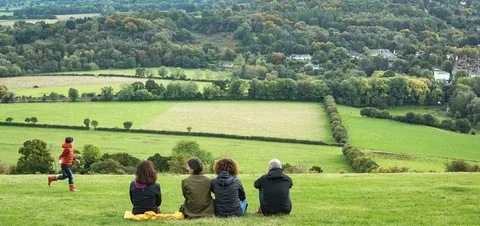
Surrey holds a huge amount of green belt land. Far more of the county sits under that protection than most newcomers realise. It is not a rare edge case here. It is the normal backdrop to a great many homes.
Green belt rules sharply limit what you can build. Extensions are often capped, sometimes to a proportion of the original house. Anything seen as disproportionate gets refused, however nice it looks.
So the architect checks this before designing, because the green belt sets the size of the box you are allowed to work within. Design first and check later, and you risk drawing something that was never permitted. Check first, and you design something that can actually be built.
The Boundary Question I Underestimated
How close does the protected land sit to your build. I thought it was a technicality. It was the whole game.
Part of my garden sat near green belt land, which I had no idea mattered. Building toward that edge would have triggered a far harder planning case, probably a refusal. The architect spotted it immediately from the boundary check.
That one question reshaped the design before it began. The extension shifted away from the sensitive edge, keeping the protected land clear. Same space for me, far less planning risk. I would never have known to do that.
Why Previous Extensions Matter Too
The other thing she asked was whether the house had been extended before. In green belt areas, councils often measure all additions against the original house from decades ago.
If previous owners had already extended, that used up part of the allowance. My new plan, added to the old, could easily tip over the limit. She checked the planning history to find out exactly what was left.
I had been measuring against the house as it stands now. The council measures against the original. That gap catches out homeowner after homeowner. The architect knew to check it before drawing a thing.
How Local Knowledge Changes the Outcome
A firm that works across Surrey carries all this knowledge as standard. They know which boroughs apply the rules most strictly, what counts as disproportionate, how to present a scheme in a sensitive setting.
The practice I used was a London-based architecture firm that also worked heavily across Surrey, so they understood both the city rules and the green belt ones. That breadth meant they knew exactly how my plot was constrained and how to design within it.
An architect from outside the area could easily miss the green belt issue entirely, design something lovely, and watch it get refused. Local knowledge is what turns a Surrey project from a gamble into a plan.
What the Right Approach Delivered
Because the green belt was checked first, the design fit the rules from the start. The extension stayed within the allowance, sat away from the protected edge, and went through planning without a fight.
I got the space I wanted, shaped to respect the constraints I hadn’t even known existed. No refusal, no wasted months, no expensive redesign. Just a scheme built around reality from day one.
The boundary question that felt like a delay was the thing that saved the whole project. Asking it first was exactly right.
What to Check Before Extending in Surrey
Find out whether any part of your plot sits in or near the green belt before you design anything. It sets the limits on what you can build, and those limits are strict here.
Check whether your house has been extended before, because that affects your remaining allowance. And use an architect who knows Surrey specifically, not just architecture in general.
Six to eight months from that boundary question to a finished extension that respected every rule and still gave me what I needed. The architect asked about the green belt before the garden for a reason. In Surrey, that is where every project really begins.
