

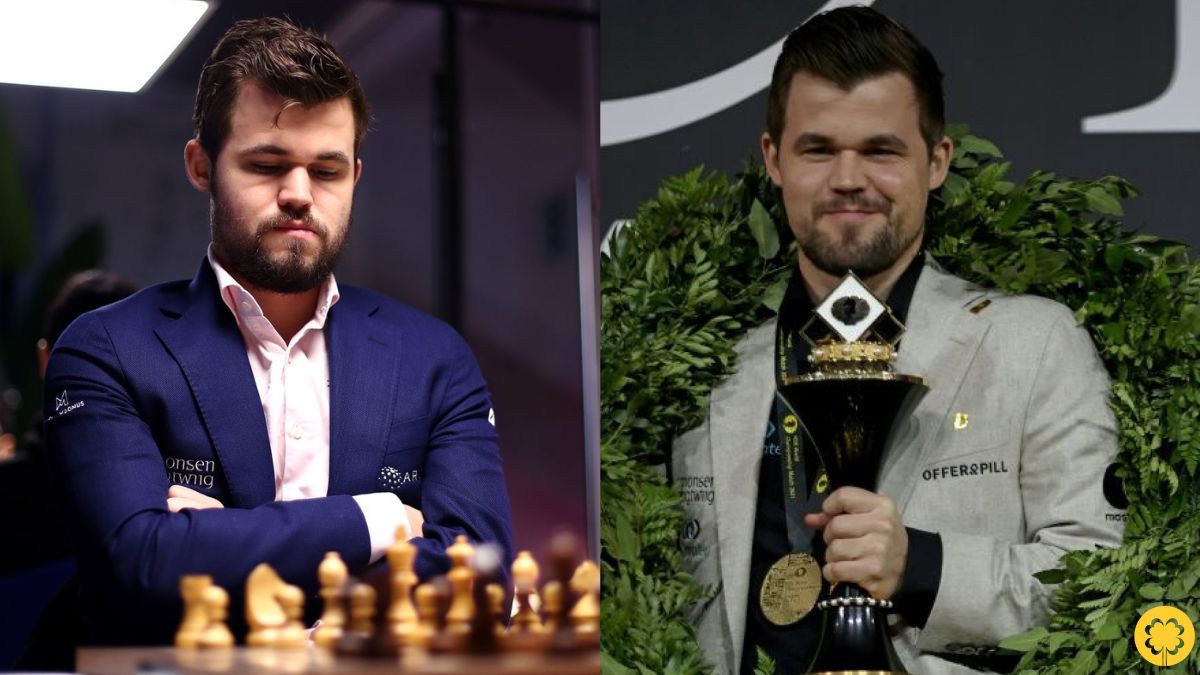
Magnus Carlsen net worth has become a major topic among chess fans, investors, and sports enthusiasts who want to understand how a world-class player turned intellectual talent into lasting wealth. As a global chess icon and former World Chess Champion, Magnus Carlsen has built an impressive fortune through tournament victories, business ownership, sponsorship deals, and digital ventures. His success extends far beyond the chessboard.
From leading the growth of the Digital chess ecosystem to expanding his influence through Play Magnus Group, Carlsen has created multiple income streams. Today, his financial journey showcases how a Norwegian chess grandmaster transformed chess excellence into a thriving chess business empire and long-term wealth.
| Quick Facts | Details |
| Full Name | Magnus Carlsen |
| Birth Date | November 30, 1990 |
| Birthplace | Tønsberg, Norway |
| Nationality | Norwegian |
| Profession | Chess Grandmaster, Entrepreneur, Investor |
| Known For | Multiple-time World Chess Champion |
| Peak Rating | Peak FIDE rating of 2882 |
| Major Income Sources | Tournaments, businesses, endorsements, investments |
| Estimated Net Worth 2026 | Around $25 Million |
| Residence | Norway |
Magnus Carlsen Net Worth in 2026

As of 2026, Magnus Carlsen net worth is estimated at approximately $25 million. This figure places him among the candidates for the title of the richest chess player in the modern era. His fortune reflects much more than simple tournament success. Over the years, he converted his reputation into a thriving chess business empire supported by sponsorships, ownership stakes, technology ventures, and media opportunities. While traditional athletes often rely on contracts and salaries, Carlsen created a diversified financial model that generates revenue from several directions at once. This approach helped accelerate Magnus Carlsen wealth and protected his earnings from fluctuations in competitive results.
The growth of Magnus Carlsen fortune also mirrors broader trends within the chess industry. Rising interest in online competitions, streaming content, and educational platforms created new opportunities during the Online chess boom. Carlsen positioned himself at the center of this transformation. His involvement with Play Magnus Group, partnerships with Chess.com, and influence within the growing Digital chess ecosystem significantly expanded his reach. Today, discussions about What is Magnus Carlsen net worth in 2026, How rich is Magnus Carlsen, and Magnus Carlsen wealth growth continue to dominate search trends because his financial success extends far beyond the chessboard.
What Is Magnus Carlsen’s Net Worth in 2026?
Financial analysts and sports wealth trackers estimate Magnus Carlsen net worth 2026 at around $25 million. This estimate combines his tournament earnings, business interests, sponsorship revenue, intellectual property rights, and investment holdings. Unlike many professional competitors, he does not depend solely on prize money. Instead, he benefits from long-term ownership positions and commercial opportunities that continue producing value even when he is not actively competing.
Estimated Wealth and Financial Position
Among active grandmasters, Carlsen remains one of the strongest candidates for the title of the world’s most financially successful chess professional. His combination of elite performance, business ownership, and global recognition creates a unique financial profile. The strength of his Personal brand value, commercial influence, and growing portfolio of Magnus Carlsen investments and assets has helped him maintain a strong position within the expanding global chess economy.
Net Worth Growth Over the Last Decade
During the early years of his career, most of his income came from chess tournament winnings and appearance fees. However, as his popularity increased across Europe, North America, and Asia, new opportunities emerged. Sponsorship agreements, technology ventures, and strategic partnerships gradually transformed his earnings profile. This evolution explains why Magnus Carlsen financial success continues to be cited as one of the most impressive stories in professional sports.
Who Is Magnus Carlsen? A Brief Biography
Born in Tønsberg, Norway, Magnus Carlsen displayed extraordinary intellectual abilities from a young age. His parents, Henrik Carlsen and Sigrun Øen, encouraged curiosity, learning, and independent thinking. Long before becoming a chess superstar, he impressed family members with his memory and analytical skills. Those abilities later became the foundation of a historic professional chess career. By his teenage years, chess experts already recognized him as one of the most promising talents in the world. His rise was rapid, yet it was also built on years of disciplined study and relentless competition.
Today, Carlsen stands among the most influential figures in modern sports. He earned the prestigious Grandmaster title at age 13 and eventually became the world number one chess player. His achievements include multiple World Chess Championship victories, dominance in rapid chess events, success in blitz chess tournaments, and record-breaking performances in elite chess competitions. Beyond competitive play, he became a respected chess entrepreneur, investor, and global ambassador for the game. These accomplishments helped transform Magnus Carlsen income, Magnus Carlsen career earnings, and Magnus Carlsen assets into one of the most impressive financial portfolios in intellectual sports.
Early Life and Family Background
Growing up in Norway, Carlsen benefited from a supportive environment that valued education and creativity. His father, Henrik Carlsen, introduced him to chess, while his mother, Sigrun Øen, encouraged balanced personal development. This strong family foundation played a key role in shaping the discipline and focus that later defined his success.
Education and Childhood Interests
As a child, Carlsen showed a fascination with geography, puzzles, mathematics, and strategic thinking. He possessed an exceptional memory and could recall large amounts of information with ease. These interests strengthened the cognitive skills that eventually helped him dominate professional chess.
How Magnus Carlsen Discovered Chess
At the age of five, Carlsen learned the basic rules of chess from his father. Initially, he viewed the game as a fun challenge. Soon, however, he became fascinated by its endless possibilities. His rapid improvement surprised coaches and competitors alike. Within a few years, he was competing against players much older than himself and consistently achieving outstanding results.
Rise From Chess Prodigy to Global Superstar
Carlsen’s rise from talented youngster to international sensation happened at remarkable speed. After earning his Grandmaster title, he climbed the rankings and challenged established stars such as Viswanathan Anand, Garry Kasparov, Sergey Karjakin, Fabiano Caruana, Ian Nepomniachtchi, Ding Liren, and Hikaru Nakamura. His dominance across different formats, combined with his charisma and professionalism, transformed him into a global chess icon. Along the way, he built tremendous chess fame and fortune, laying the foundation for the extraordinary Magnus Carlsen net worth seen today.
How Magnus Carlsen Built His Wealth Through Chess
The foundation of Magnus Carlsen net worth was built on one simple factor: winning. From an early age, Magnus Carlsen proved he could compete against the strongest players in the world. After earning the prestigious Grandmaster title at just 13 years old, he quickly climbed the rankings and became the youngest player ever to challenge the elite level of professional chess. His ability to consistently defeat top grandmasters created opportunities that extended beyond the board. Tournament organizers wanted him at their events. Sponsors wanted him to represent their brands. Media companies wanted interviews and appearances. Each victory increased his reputation and strengthened his earning power. Over time, this momentum became the engine behind Magnus Carlsen wealth and helped establish him as one of the most successful figures in intellectual sports.
Unlike many competitors who relied solely on tournament winnings, Carlsen understood the value of long-term growth. He used his success to build a strong personal brand and entered the world of business at the right moment. His influence expanded throughout Europe, North America, and Asia, where chess experienced significant growth. As a result, his income streams multiplied. Tournament earnings remained important, but sponsorship agreements, digital ventures, and business ownership became equally valuable. This strategy of Financial diversification transformed a successful chess career into a lasting financial empire. Today, experts often point to Magnus Carlsen financial success as one of the best examples of how modern athletes can leverage fame into sustainable wealth.
Becoming a Grandmaster at a Young Age
When Carlsen achieved the Grandmaster title in 2004, the chess world immediately recognized his extraordinary potential. Few players reach such a milestone at such a young age. The achievement attracted international attention and opened the door to invitations from prestigious tournaments around the globe. These opportunities became the first building blocks of Magnus Carlsen career earnings and helped establish his reputation among elite competitors.
Climbing to World Number One
Reaching the position of world number one chess player dramatically increased Carlsen’s market value. His historic FIDE rating performances separated him from most of his rivals. Sponsors, broadcasters, and event organizers recognized that his presence could attract viewers and generate excitement. This elevated status increased appearance fees and commercial opportunities, contributing significantly to Magnus Carlsen income.
World Championship Victories and Financial Rewards
Winning the World Chess Championship transformed Carlsen into a global superstar. His victories over players such as Viswanathan Anand, Sergey Karjakin, Fabiano Caruana, and Ian Nepomniachtchi generated substantial chess championship prize money while increasing his visibility worldwide. These victories helped position him as the face of modern chess and strengthened his influence within the sport.
Key Career Milestones That Increased His Earnings
Several milestones accelerated Magnus Carlsen wealth growth. Becoming the highest-rated player in history, dominating rapid chess events, excelling in blitz chess tournaments, and maintaining elite performance for more than a decade all contributed to his success. These achievements enhanced his chess brand value and created opportunities far beyond traditional competition.
Tournament Winnings and Prize Money Earnings
A large portion of Magnus Carlsen earnings comes directly from competitive chess. Throughout his career, he participated in some of the most prestigious tournaments in the world and consistently finished near the top of the standings. His performances in events such as Norway Chess, the Grand Chess Tour, the Tata Steel Chess Tournament, and the Sinquefield Cup generated millions of dollars in prize money. Few players in history have maintained such a high level of performance for so many years. This consistency allowed him to build a stable foundation for his financial growth. While many grandmasters experience fluctuations in earnings, Carlsen remained a regular contender for the largest prizes available in the sport.
The rise of online competition also expanded his opportunities. The growth of online chess tournaments introduced larger audiences, increased sponsorship support, and bigger prize pools. During the Online chess boom, Carlsen became one of the most recognizable faces of the game. His participation in online events attracted millions of viewers and helped transform internet chess into a major entertainment product. These developments increased both direct earnings and long-term commercial value. When people search for Magnus Carlsen prize money total, they often discover that tournament winnings represent only one piece of a much larger financial picture.
Total Career Prize Money Earnings
Over the course of his career, Carlsen accumulated millions of dollars through tournament victories and championship matches. Although exact totals vary by source, his cumulative Magnus Carlsen prize money places him among the highest-earning players in chess history. His ability to remain competitive year after year helped maximize long-term earnings.
Highest-Paying Chess Tournaments of His Career
Some of Carlsen’s most profitable events include the World Chess Championship, Norway Chess, the Grand Chess Tour, the Sinquefield Cup, and the Tata Steel Chess Tournament. These competitions feature many of the world’s strongest players and often offer significant prize pools. Success in these tournaments strengthened both his finances and his reputation.
| Major Tournament | Financial Importance |
| World Chess Championship | Major source of championship earnings |
| Norway Chess | Consistent prize money and sponsorship value |
| Grand Chess Tour | High-profile international competition |
| Tata Steel Chess Tournament | Prestigious event with global visibility |
| Sinquefield Cup | Elite competition with strong financial rewards |
World Championship Prize Money
The World Chess Championship provided some of the largest single-event payouts of Carlsen’s career. Winning multiple title matches generated substantial chess championship prize money and increased future earning opportunities. Every successful title defense enhanced his commercial appeal and expanded his influence throughout the chess world.
Online Chess Events and Digital Tournament Earnings
The expansion of digital chess platforms created new income opportunities that previous generations never enjoyed. Carlsen participated in high-profile online competitions that attracted global audiences. These events generated prize money, sponsorship revenue, and additional exposure. They also helped fuel chess industry growth, creating a larger market for players, businesses, and fans alike. Through these developments, Magnus Carlsen tournament earnings continued to rise while reinforcing his position as a leading figure in modern chess.
Magnus Carlsen’s Assets, Luxury Lifestyle, and Real Estate

The growth of Magnus Carlsen net worth is reflected not only in his earnings but also in the assets he has accumulated over the years. Unlike many wealthy celebrities, Carlsen doesn’t frequently showcase expensive purchases or extravagant spending habits. Instead, he maintains a relatively private lifestyle while focusing on long-term financial stability. His wealth comes from years of careful planning, smart investments, and steady career growth. As a result, Magnus Carlsen assets include business interests, ownership stakes, intellectual property rights, and premium lifestyle holdings that continue increasing in value.
Many successful investors believe wealth preservation is just as important as wealth creation. Carlsen appears to follow that philosophy. Rather than chasing attention through luxury purchases, he prioritizes Financial diversification and strategic asset allocation. This balanced approach helps protect Magnus Carlsen fortune from market fluctuations while creating multiple streams of long-term value. His financial discipline explains why many analysts consider him one of the smartest earners in professional sports and intellectual competition.
Estimated Asset Portfolio Overview
| Asset Category | Estimated Contribution to Wealth |
| Chess Earnings | High |
| Business Ownership | Very High |
| Sponsorship Revenue | High |
| Investments | Moderate to High |
| Intellectual Property Rights | Moderate |
| Real Estate Holdings | Moderate |
| Digital Revenue Streams | Growing |
Real Estate Holdings and Property Investments
Real estate often serves as a foundation for long-term wealth. Although Carlsen keeps details of his properties private, many experts believe he owns valuable residential assets in Norway. High-quality property investments help strengthen Magnus Carlsen houses and real estate holdings while providing stability and future appreciation potential.
Luxury Lifestyle Without Excessive Spending
Unlike many athletes who display expensive lifestyles daily, Carlsen remains relatively modest. His version of luxury often includes premium travel, comfortable accommodations, elite events, and exclusive experiences rather than public displays of wealth. This measured approach helps preserve Magnus Carlsen wealth growth over time.
Watches, Fashion, and Luxury Assets
As a globally recognized sports figure, Carlsen frequently appears at major events wearing premium fashion brands and luxury accessories. These items contribute to his collection of Luxury assets and reinforce his image as a successful professional. However, they remain a small portion of his overall wealth compared to business ownership and investments.
Intellectual Property and Personal Brand Value
One of Carlsen’s most valuable assets is his reputation. His name carries significant Personal brand value across the global chess community. Through licensing agreements, digital products, media rights, and educational platforms, his Intellectual property generates ongoing revenue. These intangible assets continue supporting Magnus Carlsen financial success and long-term wealth creation.
Annual Income Breakdown: How Much Does Magnus Carlsen Earn Per Year?
One of the most common questions online is, “How much does Magnus Carlsen earn per year?” While exact figures vary depending on tournament schedules and business performance, experts estimate that his annual income reaches several million dollars. Unlike traditional athletes who rely on salaries, Carlsen earns money from multiple sources throughout the year. This diversified model protects him from fluctuations in any single income stream. As a result, Magnus Carlsen annual income remains among the highest in professional chess.
The strength of Carlsen’s earnings comes from balance. Tournament victories generate prize money while sponsorship agreements provide steady revenue. Business ownership creates long-term wealth. Digital content and media appearances add additional income. Together, these sources form a robust financial structure that continues fueling Magnus Carlsen net worth 2026. His ability to combine competition with entrepreneurship has become a blueprint for modern professional players.
Estimated Annual Income Sources
| Income Source | Estimated Contribution |
| Tournament Prize Money | Moderate |
| Sponsorship Deals | High |
| Business Ventures | Very High |
| Media Appearances | Moderate |
| Online Chess Events | Moderate |
| Investments | Growing |
| Licensing & Intellectual Property | Moderate |
Tournament Earnings and Prize Money
Competitive success remains an important part of Magnus Carlsen income. His participation in the Grand Chess Tour, Norway Chess, Sinquefield Cup, and Tata Steel Chess Tournament generates substantial prize money every year. These events continue contributing to Magnus Carlsen tournament earnings and overall financial growth.
Revenue From Digital Chess Platforms
The rise of the Online chess boom transformed how elite players earn money. Participation in online chess tournaments, educational products, digital subscriptions, and platform partnerships creates recurring revenue. These opportunities strengthen Carlsen’s position within the growing Digital chess ecosystem.
Chess Streaming Revenue and Media Income
Modern chess extends far beyond tournament halls. Revenue generated through Twitch, YouTube, interviews, documentaries, and chess media appearances has become increasingly valuable. These channels help generate chess streaming revenue while expanding his audience worldwide.
Business Income and Investment Returns
Perhaps the most significant contributor to Magnus Carlsen salary is business ownership. Equity interests, company growth, strategic investments, and ownership stakes generate wealth even when he isn’t competing. These financial returns explain why How does Magnus Carlsen make money has such a broad answer compared to most athletes.
Why His Income Keeps Growing
Several factors continue driving Magnus Carlsen earnings upward. The expanding popularity of online chess, increasing sponsorship opportunities, rising business valuations, and stronger international brand recognition all contribute to future growth. This combination of factors ensures that Magnus Carlsen career earnings will likely continue increasing throughout the coming years.
Magnus Carlsen Net Worth Compared to Other Top Chess Players
When discussing Magnus Carlsen net worth, many fans naturally compare his fortune with other legendary players. Chess has produced several wealthy champions over the years, yet very few have matched Carlsen’s ability to combine competitive success with entrepreneurship. His dominance as a World Chess Champion, ownership interests in major businesses, and growing commercial influence have helped him build one of the strongest financial portfolios in the history of the game. While tournament success remains important, modern wealth in chess increasingly depends on branding, digital opportunities, and strategic investments.
What makes Carlsen different is the scale of his diversification. Earlier generations relied heavily on tournament winnings, books, coaching, and exhibition matches. Carlsen benefits from those same opportunities. However, he also profits from digital platforms, media rights, business ownership, sponsorship contracts, and technology-driven ventures. This broader financial foundation gives him a significant advantage over most competitors and strengthens his reputation as one of the most financially successful athletes in intellectual sports.
Net Worth Comparison of Top Chess Figures
| Chess Personality | Estimated Net Worth Range (2026) | Primary Wealth Sources |
| Magnus Carlsen | $25 Million+ | Chess, Business Ventures, Sponsorships |
| Hikaru Nakamura | Multi-Million Dollar Range | Streaming, Chess, Content Creation |
| Garry Kasparov | Multi-Million Dollar Range | Chess, Books, Speaking, Investments |
| Viswanathan Anand | Multi-Million Dollar Range | Chess, Sponsorships, Public Appearances |
| Fabiano Caruana | Multi-Million Dollar Range | Professional Chess Career |
| Ding Liren | Million Dollar Range | Tournament Earnings |
| Ian Nepomniachtchi | Million Dollar Range | Tournament Winnings |
Magnus Carlsen Net Worth vs Hikaru Nakamura
The debate around Magnus Carlsen net worth vs Hikaru Nakamura often attracts attention because both players dominate modern chess in different ways. Hikaru Nakamura built a strong financial position through streaming, content creation, and audience engagement. His success on Twitch and YouTube created powerful revenue streams outside traditional competition.
Carlsen still holds an advantage because of his ownership interests, business ventures, and long-term commercial partnerships. While Nakamura leads in online content influence, Carlsen’s broader business portfolio contributes more significantly to overall wealth.
Magnus Carlsen Net Worth vs Garry Kasparov
Comparisons involving Magnus Carlsen net worth vs Garry Kasparov highlight the difference between chess eras. Garry Kasparov dominated the sport before digital media transformed the industry. His wealth came from championships, books, consulting, speaking engagements, and investments.
Carlsen benefits from opportunities that did not exist during Kasparov’s peak years. Digital businesses, online tournaments, sponsorship deals, and platform ownership have accelerated wealth creation. As a result, Carlsen’s financial growth reflects the modern evolution of the chess industry.
Magnus Carlsen vs Viswanathan Anand
Viswanathan Anand remains one of the most respected champions in chess history. His influence helped popularize the game throughout Asia, especially in India. Anand built substantial wealth through championships, sponsorships, and decades of elite competition.
Carlsen’s advantage comes from his entrepreneurial activities and participation in the rapidly expanding online chess economy. These additional revenue sources have allowed Magnus Carlsen wealth to grow faster than many previous champions.
Magnus Carlsen vs Ding Liren and Ian Nepomniachtchi
Both Ding Liren and Ian Nepomniachtchi rank among the world’s strongest players. Their success in elite competitions has generated impressive tournament earnings and international recognition. However, most of their wealth remains tied to competitive chess.
Carlsen’s financial portfolio extends much further. His ownership stakes, business projects, endorsements, and media presence create a much larger ecosystem of income generation. This difference explains the substantial gap in overall net worth estimates.
Why Magnus Carlsen Leads Financially
The reason Carlsen remains ahead financially is simple. He didn’t limit himself to playing chess. He became a businessman, investor, and global brand. His combination of chess fame and fortune, entrepreneurial vision, and strategic investments created opportunities that continue generating value long after tournament games end.
Future Wealth Outlook: How Rich Could Magnus Carlsen Become?
The future looks extremely promising for Magnus Carlsen net worth 2026 and beyond. Even if he reduces his tournament schedule, his wealth has several independent growth engines. Business ownership, investments, sponsorship agreements, intellectual property rights, and digital platforms continue generating income regardless of competitive results. This structure provides financial resilience that many athletes never achieve. As the global chess market expands, Carlsen remains positioned to benefit from nearly every major trend shaping the industry.
Several developments could accelerate his financial growth during the next decade. Online chess participation continues increasing. Educational products remain in demand. Media rights are becoming more valuable. Technology companies are investing heavily in gaming, artificial intelligence, and digital learning. Because Carlsen already operates within these sectors, he could capture substantial future opportunities. Many analysts believe his current wealth represents only a fraction of his long-term financial potential.
Key Drivers of Future Wealth Growth
| Growth Factor | Future Impact |
| Online Chess Expansion | High |
| Business Ownership | Very High |
| Sponsorship Revenue | High |
| Digital Products | High |
| Media Rights | Growing |
| Investments | High |
| Brand Licensing | Growing |
Continued Growth of the Digital Chess Industry
The future of chess is increasingly digital. Millions of players now use online platforms daily. The continued growth of the Digital chess ecosystem supports demand for educational content, premium subscriptions, tournaments, and technology products. Carlsen’s involvement in this sector positions him for ongoing financial expansion.
Expansion of Sponsorship and Commercial Partnerships
As chess reaches larger audiences in North America, Europe, and Asia, sponsors are investing more aggressively in the sport. Stronger Chess sponsorships and new commercial partnerships could significantly increase Magnus Carlsen endorsement earnings over the coming years.
Investment Portfolio Appreciation
One of the most powerful wealth-building tools is ownership. As businesses grow and markets expand, Equity holdings can appreciate dramatically. This factor may become an increasingly important contributor to Magnus Carlsen investments and assets over the next decade.
Could Magnus Carlsen Reach $50 Million Net Worth?
Many financial analysts believe reaching a $50 million valuation is possible if current trends continue. Continued business growth, rising digital revenues, stronger sponsorship contracts, and expanding intellectual property rights could significantly increase his fortune. While no prediction is guaranteed, the outlook remains highly positive.
Final Thoughts
For anyone asking What is Magnus Carlsen net worth in 2026, the answer extends beyond a single number. His wealth reflects championship excellence, entrepreneurial vision, business ownership, and strategic planning. From becoming a young Norwegian chess grandmaster in Tønsberg, Norway, to evolving into a global business figure, Magnus Carlsen has redefined what financial success looks like in chess.
His journey demonstrates how talent alone isn’t enough. Sustainable wealth comes from diversification, innovation, and smart decision-making. Whether viewed as a world number one chess player, a successful investor, or a pioneering chess entrepreneur, Carlsen’s financial story remains one of the most remarkable success cases in modern sports. As chess continues expanding worldwide, the future of Magnus Carlsen net worth appears brighter than ever.
FAQ’s About Magnus CarlsenNet Worth
What is Magnus Carlsen net worth in 2026?
Magnus Carlsen net worth in 2026 is estimated at around $25 million, earned through chess tournaments, business ventures, sponsorships, and digital chess platforms.
Who is the richest chess player?
Magnus Carlsen is widely considered the richest active chess player in the world due to his tournament earnings, business interests, and commercial partnerships.
Did Magnus Carlsen lose to a 19 year old?
Yes, Magnus Carlsen has lost games to several young players during his career, including talented teenage grandmasters, as occasional upsets are common in elite chess competitions.
How high is the IQ of Magnus Carlsen?
There is no officially verified IQ score for Magnus Carlsen, but experts often estimate his IQ to be around 190, though this figure remains speculative.
How much money does Magnus Carlsen make a year?
Magnus Carlsen annual income is estimated to be between $2 million and $5 million per year, depending on tournament results, sponsorship deals, business revenue, and investments.
People Also Read: Brad Pitt Net Worth (2026): Income, Salary, Career, Assets & Business Ventures

Welcome to Blessings There! I’m the creator and author behind this website. I love sharing useful insights, informative content, and knowledge that can add value to everyday life.