

Introduction
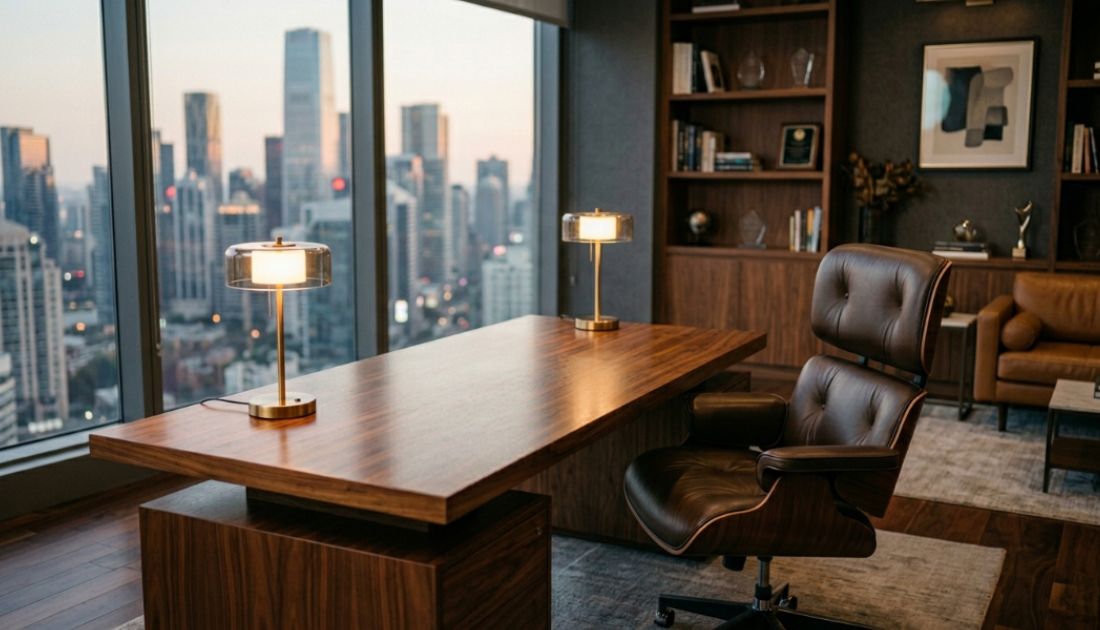
The atmosphere and layout of an office space can affect more than just workflow. A well-designed office influences employee happiness, motivation, and productivity daily. Modern professionals thrive in environments that balance collaboration with privacy, efficiency with creativity, and aesthetics with practicality. Investing in quality office design is an investment in your people and, by extension, your business. When setting up or revitalizing a workplace, one crucial consideration is selecting furniture that stands the test of time. Opting for durable solid wood office furniture for Oklahoma businesses ensures reliability, environmentally conscious sourcing, and beautiful craftsmanship that both impresses and endures. Whether you’re designing a new headquarters or updating a home office, thoughtful design choices create a setting where employees feel valued and inspired to do their best work. The following guide explores strategies to create an office that delivers on both functionality and well-being for all.
Embracing Flexible Layouts
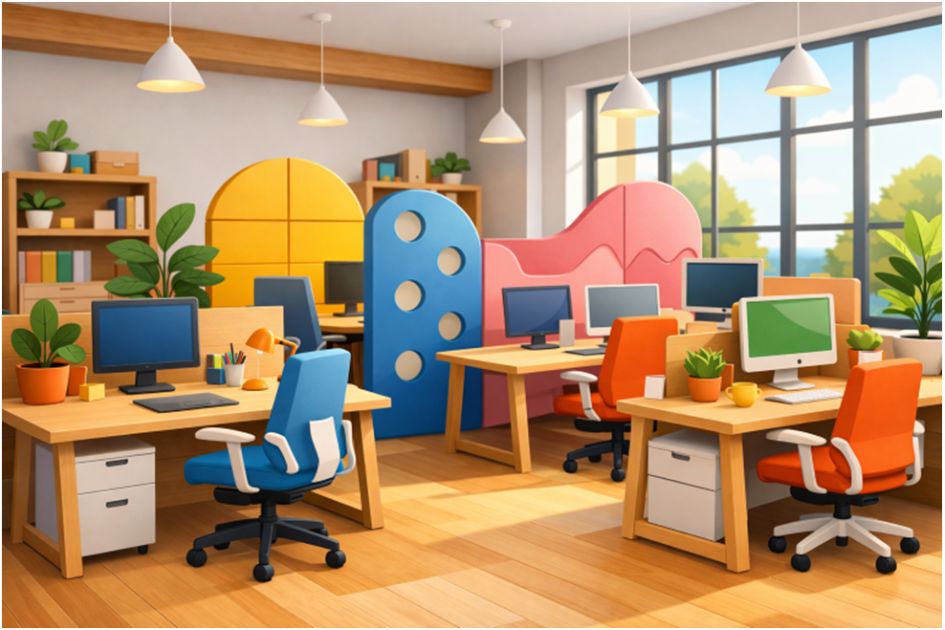
Workspace flexibility is increasingly prized among modern professionals, particularly as organizations move toward hybrid work models. Open floor plans foster easy communication and teamwork, while movable partitions and adaptable furniture can create zones for private focus or informal meetings as needed. Versatile layouts enable businesses to quickly reconfigure their environments in response to evolving project requirements or team growth, supporting both individual and group productivity.
Incorporating Natural Elements
Biophilic design, a principle centered on integrating natural elements into the workplace, offers measurable benefits. Introducing plants, using stone or wood textures, and maximizing views or access to the outdoors create a more soothing environment. Exposure to nature has been shown to lower stress, heighten concentration, and even promote creativity. Strategically positioning desks to capture sunlight and adding living greenery can transform a sterile office into a welcoming, refreshing space.
Prioritizing Ergonomics
Ergonomics is fundamental in maintaining employee comfort and preventing physical strain. Adjustable chairs, variable-height desks, and supportive keyboards and mice are all important components of an ergonomic office. Ergonomic assessment ensures workstations suit a variety of body types and work habits, keeping employees healthy and reducing absenteeism over time. Incorporating stretch and movement breaks into the work environment can also aid in physical well-being.
Optimizing Lighting
Quality lighting directly impacts mood and focus. Ample access to daylight not only saves on energy costs but can also improve alertness and regulate circadian rhythms. When natural lighting is insufficient, consider layered artificial lighting using task lamps, ambient overhead fixtures, and accent lights to achieve even, glare-free illumination. A well-designed lighting scheme reduces eye strain and makes the office a more pleasant place to spend the day.
Designing for Neurodiversity
Offices should cater to a wide spectrum of cognitive, sensory, and social needs. Designing for neurodiversity involves providing spaces for focused work, minimizing background noise, and offering flexible seating options. Some employees may benefit from dimmable lights or noise-canceling features, while others prefer open, collaborative environments. Using calming colors and varied textures throughout the office can create inclusive settings where everyone feels comfortable and supported.
Utilizing Underused Spaces
Creativity can turn previously neglected nooks, such as corners, landings, or the area under a staircase, into inviting and useful workstations, quiet lounges, or resource areas. Even narrow hallways can become inspiration zones with a chalkboard wall or bookshelf. Maximizing every square foot allows small offices to function like larger ones, making the most of real estate investments and providing more choices for employees.
Integrating Technology Seamlessly
Productivity in modern offices depends on efficient technology integration. Streamline cable management with built-in power strips, charging stations, and wireless peripherals to maintain clean and organized workspaces. Interactive whiteboards, integrated conferencing systems, and cloud connectivity all empower teams to work smarter without being hindered by clutter or hardware distractions. For further ideas, review best practices for tech-enabled workspace design on Adobe Express’ Home Office Ideas.
Personalizing the Workspace
An office should reflect the personality and culture of its occupants. Personalized décor, art displays, branded visual elements, and thoughtfully chosen colors all contribute to making a workspace inviting. Employees who feel a sense of ownership over their work area are more likely to take pride in their work and demonstrate greater loyalty. Allowing for individualized touches, whether a favorite mug, motivational poster, or comfortable throw, supports creativity and overall satisfaction.
Conclusion
Designing a functional and productive office space is about more than following trends or maximizing seating capacity. It’s about cultivating a supportive environment where employees feel comfortable, engaged, and empowered to perform at their best. From flexible layouts and natural elements to ergonomic solutions and supportive technology, every detail matters. By focusing on thoughtful, inclusive design, you create an office that supports both business goals and employee well-being for years to come.
People Also Read: Jake Paul Net Worth in 2026: How the YouTuber Turned Boxer Built His Million-Dollar Empire

Welcome to Blessings There! I’m the creator and author behind this website. I love sharing useful insights, informative content, and knowledge that can add value to everyday life.