

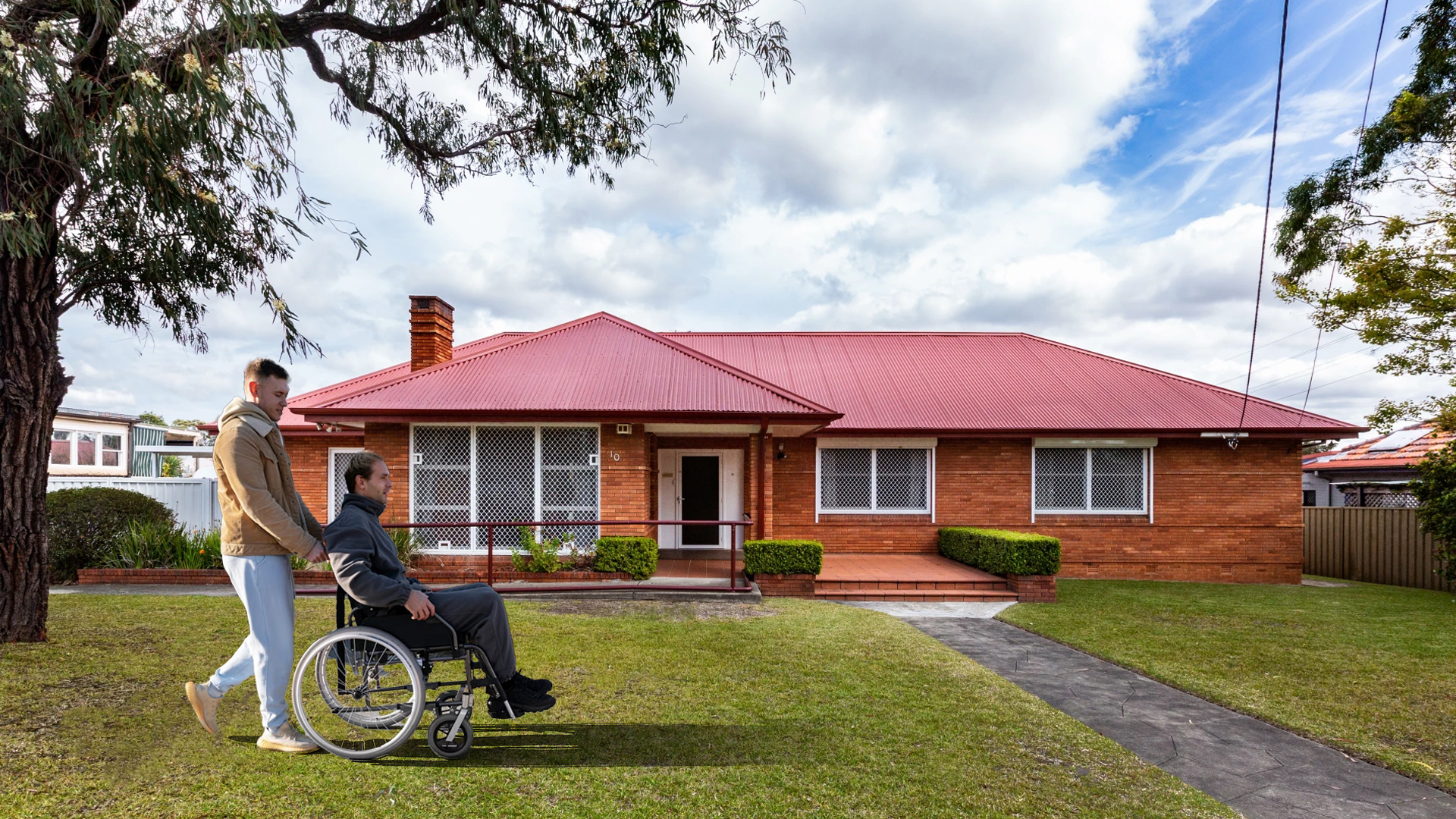
Living independently looks different for everyone. For some people, it means living alone in an apartment, cooking their own meals, and managing a daily routine. For others, especially people living with disability, it may involve a bit more structure, support, and planning. That’s where Supported Independent Living (SIL) and NDIS accommodation services come in. They’re designed to make independent living not just possible, but safe, comfortable, and meaningful.
At its heart, SIL is not about taking away independence. It’s about building it in a way that matches a person’s abilities, goals, and lifestyle.
What Supported Independent Living Actually Looks Like in Everyday Life
Supported Independent Living is a type of assistance where people with disability receive help with daily tasks while living in shared or individual accommodation. It’s funded under the NDIS and is tailored to each person’s needs, meaning no two arrangements look exactly the same.
Imagine a shared home where three people live together, each with their own room. In the morning, one person might get support to prepare breakfast and manage medication. Another might need help with showering and getting ready for a job or day program. A support worker may come in during key times of the day or stay for longer shifts depending on the level of need.
To make it more relatable, think about a young adult with cerebral palsy who wants to live outside their family home for the first time. With SIL, they can do exactly that. They might get help with cooking dinner, managing transport to work, and keeping track of appointments, while still enjoying the freedom of having their own space and routine.
In another case, an older participant recovering from a stroke might use SIL temporarily to regain daily living skills. Over time, they might need less support as their confidence grows.
SIL is also common in industries like healthcare and community services, where coordination between nurses, therapists, and support workers ensures a person’s physical and emotional needs are met. It often works like a small ecosystem of care built around the individual.
NDIS Accommodation Services and the Different Living Options Available
Beyond SIL, the NDIS offers several types of accommodation supports depending on a person’s needs and long-term goals. These services are not just about providing a place to stay—they focus on stability, accessibility, and independence.
One common option is Short-Term Accommodation (STA), which is often used for respite. For example, if a family caregiver needs a break, the person with disability might stay in a supportive home for a few days or weeks. During this time, they still receive full care and engage in daily activities, like cooking, art sessions, or community outings.
Medium-Term Accommodation (MTA) is another option. This is often used when someone is waiting for permanent housing to become available. Think of someone transitioning from hospital to home after an accident. Instead of going straight into an unsuitable environment, they stay in a safe, accessible place with support while long-term arrangements are finalised.
Then there is Specialist Disability Accommodation (SDA), which refers to specially designed housing. These homes are built with accessibility in mind—wider doorways, wheelchair-friendly bathrooms, adjustable kitchen spaces, and assistive technology built into the structure. SDA properties are often used in real estate development focused on inclusive housing design.
Across all of these options, the goal is the same: create living environments where people can participate in everyday life as fully as possible, whether that means preparing meals, building social connections, or developing life skills.
In practice, these supports often overlap with industries like architecture, healthcare, and social work. For instance, an occupational therapist might assess a home to recommend modifications, while builders implement those changes to make the space safer and more usable.
How Support Services Build Confidence, Routine, and Independence
One of the most powerful aspects of SIL and NDIS accommodation services is how they help people build confidence over time. Instead of doing everything for someone, support workers encourage participation and skill development.
For example, a person who has never cooked before might start by simply choosing a recipe. Over time, they might learn how to prepare simple meals like pasta or stir-fry with supervision. Eventually, they may be able to cook independently, only needing occasional check-ins.
Daily routines also play a big role. Having structure—waking up at a consistent time, attending appointments, going to community programs—helps create stability. This is especially important for people managing conditions such as autism, acquired brain injury, or psychosocial disabilities.
Social inclusion is another key outcome. Many SIL homes support residents in joining community activities, whether it’s going to a local gym, attending a hobby group, or volunteering. These experiences are not just “extra activities”—they are essential for building connection and reducing isolation.
Support can also extend into employment pathways. Some participants receive help preparing for work, such as practicing interview skills or learning how to use public transport. In real-world settings like hospitality, retail, or office environments, this kind of preparation can make a huge difference in long-term success.
When people understand their support options clearly, they are more empowered to choose what works best for them, including exploring the best NDIS support services that match their goals, lifestyle, and level of independence.
Choosing the Right Support and What Matters Most
Selecting the right accommodation and support arrangement is not just about funding or availability—it’s about fit. The right environment should feel safe, respectful, and aligned with personal goals.
Families often look at factors like staff experience, consistency of care, and flexibility. For example, someone with high medical needs may require more nursing involvement, while someone focused on independence may prefer lighter daily support with more autonomy.
It also helps to consider future goals. A young person may start in a shared SIL home and later transition into more independent living. Others may remain in supported environments long-term but adjust the level of support as their needs change.
Good support services also communicate clearly. They involve participants in decision-making, respect personal routines, and adjust care plans when needed. This flexibility is essential because life is not static—needs, goals, and abilities evolve over time.
At its best, Supported Independent Living and NDIS accommodation services are not just systems of care. They are frameworks that allow people to live with dignity, make choices, and participate in everyday life on their own terms.
And ultimately, that’s what independence really means: not doing everything alone, but having the right support to live the life you choose.
