

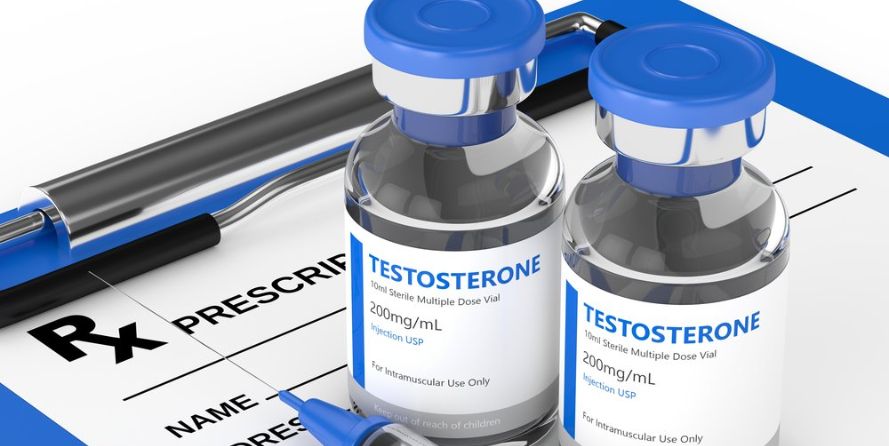
Feeling unusually tired, less motivated, or not quite like yourself can be frustrating, especially when there’s no obvious reason for it. For some men, these changes are linked to low testosterone levels. Testosterone Replacement Therapy (often called TRT) is a medical treatment designed to restore hormone levels when they are lower than normal and are causing real symptoms.
It’s not a “quick fix” or a performance shortcut, but rather a carefully monitored medical approach that aims to help the body function more normally again. Understanding how it works, what it can realistically improve, and what risks are involved is important before considering it.
What Testosterone Replacement Therapy Actually Is
Testosterone is a natural hormone that plays a major role in energy, muscle strength, mood, sexual health, and even motivation. Levels naturally decline with age, but in some cases they drop earlier or more sharply than expected due to genetics, medical conditions, stress, or lifestyle factors.
Testosterone Replacement Therapy is used when blood tests confirm clinically low levels and symptoms are affecting daily life. It involves replacing testosterone through medically prescribed forms such as injections, gels, or patches. The goal is not to create “extra” testosterone, but to bring levels back into a healthy range.
People often seek help when they notice subtle but persistent changes, such as:
- Feeling drained even after a full night’s sleep
- Struggling to stay focused at work
- Reduced strength during exercise or physical tasks
- Lower interest in intimacy
- Mood changes like irritability or low drive
In industries like construction, healthcare, education, or even office-based jobs, these symptoms can quietly affect productivity and confidence over time. Someone might notice they’re not performing at their usual level, even though nothing in their routine has dramatically changed.
Potential Benefits in Everyday Life
When testosterone levels are genuinely low, restoring them can lead to noticeable improvements. However, the experience is different for each person, and changes usually happen gradually rather than overnight.
One of the most commonly reported benefits is improved energy. This isn’t the jittery kind of energy you get from caffeine, but a steadier sense of endurance throughout the day. For example, someone working long shifts in logistics or hospitality may find they no longer feel completely exhausted by mid-afternoon.
Mood and mental clarity can also improve. People sometimes describe it as feeling “more switched on” or mentally lighter. Tasks that once felt overwhelming—like managing emails, handling paperwork, or multitasking in a busy work environment—may feel more manageable again.
Physical performance is another area of change. With proper diet and exercise, some individuals notice improved muscle recovery and strength. A gym routine that once felt stagnant might start producing better results again, not because of extreme effort, but because the body is responding more efficiently.
There can also be improvements in libido and sexual health, which is often one of the earliest concerns that leads people to get tested. This aspect can significantly affect relationships and overall confidence.
It’s important to understand that TRT doesn’t “create a new version” of you—it helps remove the barrier that low hormones may be placing on your natural functioning.
Risks, Side Effects, and Things People Don’t Always Expect
Like any medical treatment, TRT is not without risks. It should always be guided by proper medical assessment and regular monitoring.
Some people experience side effects such as acne, fluid retention, or changes in mood, especially in the early stages of treatment while the body adjusts. Others may notice changes in sleep patterns or increased sensitivity in certain situations.
There are also more important medical considerations. TRT can affect red blood cell levels, which is why blood tests are required to monitor the thickness of the blood over time. In some cases, it may also impact fertility by reducing sperm production, which is a major factor for men planning to have children.
Another thing people don’t always expect is the ongoing commitment. TRT is not usually a short course of treatment. It often requires long-term supervision, regular blood tests, and dosage adjustments. Stopping suddenly can lead to symptoms returning.
It’s also worth noting that if symptoms are not actually caused by low testosterone, the results may be limited. Fatigue, for example, can also come from stress, poor sleep, thyroid issues, or lifestyle habits. That’s why proper diagnosis is essential rather than guessing based on symptoms alone.
What the Process Feels Like and What to Expect Over Time
The journey typically begins with a consultation and blood testing. This is where hormone levels are measured and symptoms are discussed in detail. Doctors usually look at both the numbers and how a person is feeling in daily life before making any decisions.
If treatment is appropriate, a personalised plan is created. This includes the type of testosterone used, the dosage, and how often it will be administered. Regular follow-ups are scheduled to track progress and adjust treatment if needed.
In the first few weeks, changes may be subtle. Some people notice small improvements in sleep or morning energy. Around the one to three month mark, more noticeable shifts in mood, focus, and physical performance may begin to appear.
Consistency is key. Missing doses or skipping check-ins can affect results. Think of it less like taking a short-term supplement and more like maintaining a system that needs regular tuning.
Clinics such as gold coast TRT specialists typically emphasize ongoing monitoring to ensure hormone levels stay within a healthy range and side effects are minimized. This includes routine blood work and symptom tracking to make sure the treatment continues to be appropriate over time.
Over the long term, the goal is stability—feeling more like yourself again, not constantly swinging between highs and lows in energy or motivation. For many people, that stability is what makes a meaningful difference in both personal life and work performance.
Final Thoughts
Testosterone Replacement Therapy can be a valuable option for those with clinically low testosterone, but it’s not something to approach casually. The benefits can be significant when it’s genuinely needed, improving energy, mood, and quality of life in ways that feel natural rather than forced.
At the same time, it requires responsibility, monitoring, and a clear understanding of both risks and expectations. The best outcomes come from careful diagnosis, ongoing medical guidance, and realistic goals.
For anyone considering it, the most important first step is simple: get properly tested, understand the full picture, and make decisions based on evidence rather than assumptions.
