

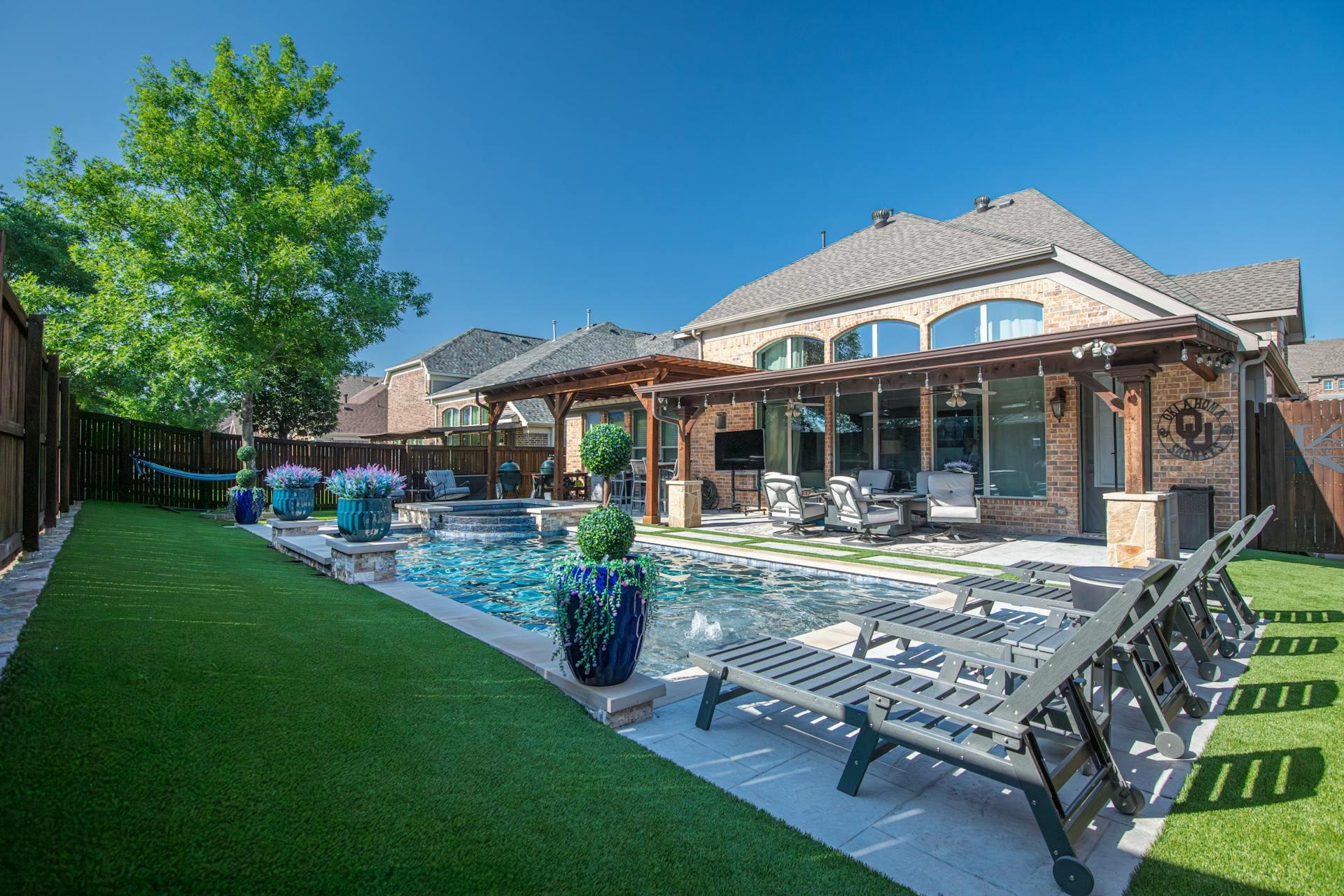
In a fast-paced world dominated by screens, schedules, and constant connectivity, outdoor spaces have taken on a new level of importance. They’re no longer just backyards or patios—they’re extensions of our living environments, places where we can decompress, recharge, and reconnect with ourselves. Designing these spaces intentionally means going beyond aesthetics and considering how every element contributes to relaxation and balance.
An intentional outdoor space doesn’t happen by accident. It’s the result of thoughtful choices about layout, materials, textures, and purpose. When done well, it becomes a personal sanctuary—one that invites you to slow down, breathe deeply, and enjoy the present moment.
Creating Zones for Function and Flow
One of the foundational principles of intentional outdoor design is creating distinct zones that serve specific purposes. Just like inside your home, dividing your outdoor space into areas for dining, lounging, entertaining, and quiet reflection helps create structure and flow.
For example, a cozy seating area with comfortable chairs and soft lighting can become your go-to spot for evening relaxation. A separate dining zone encourages shared meals and social connection. Even a small garden nook can provide a peaceful retreat for reading or meditation.
The key is to ensure these zones feel connected rather than disjointed. Pathways, consistent materials, and cohesive design elements can guide movement through the space, making it feel natural and inviting.
The Power of Natural Elements
Nature itself is one of the most powerful tools for promoting relaxation, so it makes sense to lean into natural elements when designing your outdoor space. Plants, water features, and organic materials like wood and stone all contribute to a calming environment that feels grounded and balanced.
Incorporating greenery is especially impactful. Lush plants not only enhance visual appeal but also improve air quality and create a sense of tranquility. Water features, whether it’s a small fountain or a reflecting pool, introduce soothing sounds that help drown out noise and encourage mindfulness.
Even the textures you choose—smooth stones, soft grass, weathered wood—can influence how a space feels. The more your outdoor area mirrors the rhythms and textures of nature, the more restorative it becomes.
Comfort as a Design Priority
True relaxation requires comfort, and that means treating your outdoor space with the same care you would your indoor living areas. Comfortable seating, shade solutions, and weather-appropriate materials all play a role in making the space usable and enjoyable year-round.
Think beyond basic patio furniture. Layering in cushions, throws, and even outdoor rugs can make the space feel warm and inviting. Shade structures like pergolas, umbrellas, or strategically placed trees provide relief from the sun, while outdoor heaters or fire pits extend usability into cooler months.
Comfort also includes ease of maintenance. Features like Celebrity Greens can provide a consistently lush, low-maintenance lawn alternative, allowing you to enjoy the beauty of greenery without the constant upkeep. When your space is easy to care for, it becomes a place you want to spend time in, rather than another item on your to-do list.
Lighting for Mood and Ambiance
Lighting is one of the most underestimated elements in outdoor design, yet it has a profound impact on mood. The right lighting can transform a space from functional to magical, creating an atmosphere that encourages relaxation and connection.
Soft, warm lighting works best for creating a calming environment. String lights, lanterns, and pathway lights can add a gentle glow without feeling harsh or overwhelming. Highlighting specific features—like a tree, water element, or seating area—adds depth and visual interest.
Layering different types of lighting allows you to adapt the space to different occasions. Bright lighting might be useful for outdoor dining, while dim, ambient lighting is perfect for unwinding at the end of the day. Thoughtful lighting design ensures your outdoor space remains inviting long after the sun goes down.
Designing for Mindfulness and Balance
Intentional outdoor spaces are about more than just physical design—they’re about creating an environment that supports mental and emotional well-being. This means incorporating elements that encourage mindfulness, relaxation, and balance.
Consider adding features that invite you to slow down, such as a hammock, a meditation corner, or a small garden where you can engage with nature. Even something as simple as orienting seating toward a beautiful view can make a difference.
Sound also plays a role. The gentle rustle of leaves, the trickle of water, or even carefully chosen outdoor speakers playing soft music can enhance the sensory experience. By engaging multiple senses, you create a space that feels immersive and restorative.
Personalization and Meaningful Touches
An intentional outdoor space should reflect your personality and lifestyle. This is where personalization comes in—adding elements that feel meaningful and uniquely yours.
This might include artwork, decorative planters, or heirloom pieces that carry sentimental value. It could also mean designing the space around your favorite activities, whether that’s gardening, yoga, or hosting friends.
Color choices, textures, and materials all contribute to the overall feel of the space. Warm tones can create a cozy, inviting atmosphere, while cooler tones can evoke calm and serenity. The goal is to create a space that resonates with you on a personal level, making it somewhere you genuinely enjoy spending time.
Conclusion
Designing intentional outdoor spaces for relaxation and balance is about more than creating something visually appealing—it’s about crafting an environment that supports your well-being. By thoughtfully considering layout, natural elements, comfort, lighting, and personalization, you can transform any outdoor area into a restorative retreat.
In a world that often feels busy and overwhelming, having a space designed specifically for calm and connection is incredibly valuable. It becomes a place where you can step away from distractions, reconnect with nature, and find a sense of balance that carries into every aspect of your life.
