

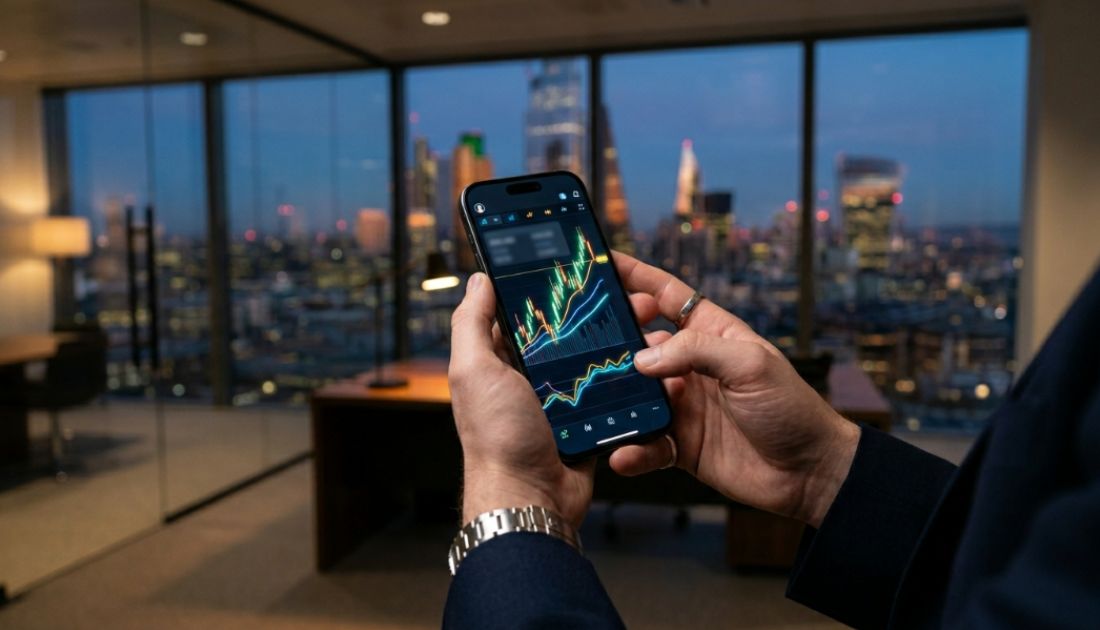
The Phone Has Replaced the Trading Terminal
A generation ago, serious market participation required a desktop terminal, a dedicated data feed subscription, and physical presence near a broker’s office during market hours. Today a smartphone handles all of it — and then some. Trading apps have fundamentally changed how retail investors access market information, track pre-market signals like Gift Nifty, and execute decisions without the delays that once cost money on fast-moving trading days.
Why Gift Nifty Tracking Matters Before Markets Open
Investors who check Gift Nifty figures each morning before 9:15 AM are working with information that gives genuine context to the opening session. Gift Nifty trades at GIFT City during hours when NSE remains closed, reflecting how international participants are pricing Indian equity risk based on overnight global developments. A strongly positive Gift Nifty reading suggests bullish opening momentum. A deeply negative reading signals caution before the domestic session begins.
Without a reliable trading app delivering this data in real time, investors arrive at market open without the pre-market context that separates prepared participants from reactive ones.
What Good Trading Apps Actually Deliver
Not all trading apps are built equally. The difference between a basic order-placement interface and a genuinely useful market tool comes down to the depth of features available between placing trades.
Real-time index tracking — including Gift Nifty levels alongside domestic indices — is the foundational requirement. Beyond that, quality apps deliver live stock screeners filtered by volume surge, price movement, or technical breakouts. Integrated charts with technical indicators allow investors to assess entry and exit levels without switching between multiple platforms. Instead of just seeing numbers change, news feeds that collect market-moving events promise that buyers understand why prices are changing.
Investors may stay aware throughout working hours without constantly staring at displays thanks to push messages for price alerts, circuit breakers, and stock moves.
How Apps Have Changed Retail Investor Behaviour
The way that regular buyers deal with markets has significantly changed due to the ease that trading apps offer. Pre-market routines — checking Gift Nifty, reviewing overnight US market performance, scanning for stocks showing unusual pre-open activity — have become standard habits among informed retail participants rather than exclusive institutional practices.
Portfolio monitoring has also improved dramatically. Consolidated real-time values, unrealised gains, and sector exposure are all visible from a single screen for investors handling numerous positions in stock, swaps, and mutual funds. This visibility reduces the kind of uninformed decision-making that happens when investors lack current portfolio context during volatile sessions.
The Risk of Too Much Information
Information overload is a real problem related with strong trading apps. Regular price alerts, news alerts, and stock changes can encourage careless investors to overtrade, reacting to every little move instead of carrying out a well-thought-out strategy. The investor’s focus decides how successful the tool is.
Final Thoughts
Trading apps have democratised market access in ways that genuinely benefit prepared retail investors. For those who use them thoughtfully — tracking Gift Nifty signals, monitoring live trends, and executing decisions based on research rather than impulse — they represent one of the most powerful investing tools available today.
People Also Read: How Trading Apps Help Investors Monitor Nifty Midcap 100 Performance?

Welcome to Blessings There! I’m the creator and author behind this website. I love sharing useful insights, informative content, and knowledge that can add value to everyday life.