

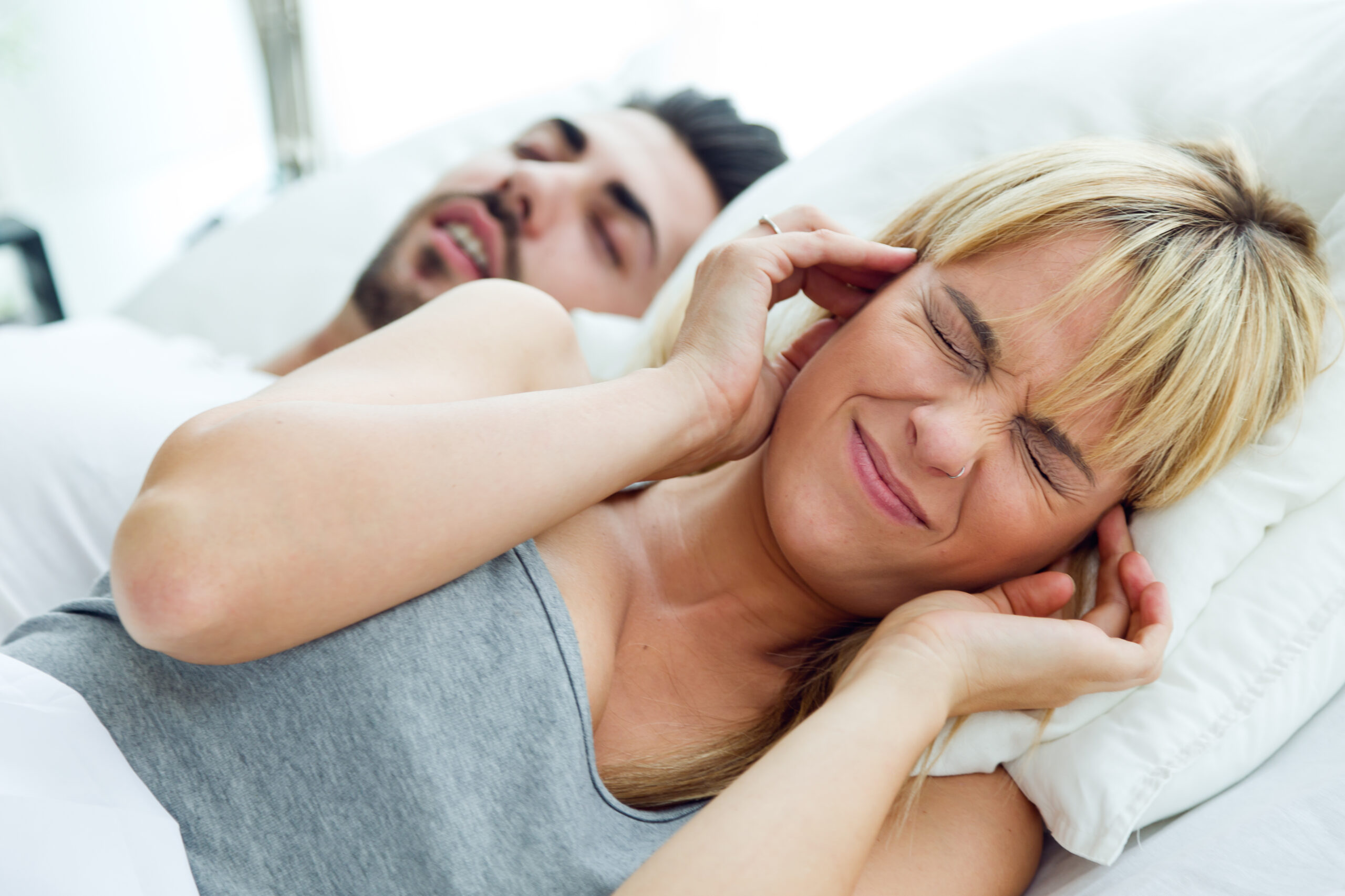
Sleep is often underestimated, treated more like an optional comfort than a biological necessity. In reality, it’s one of the most critical processes your body depends on for repair, recovery, and hormonal balance. When sleep quality drops, the consequences extend far beyond feeling tired. One condition that quietly disrupts this balance is Sleep Apnea—and its impact on testosterone can be significant.
The good news? With the right approach, the damage can be reversed and your body can recover.
The Overlooked Connection Between Sleep and Testosterone
Sleep isn’t just rest—it’s an active process where your body restores itself. During deep sleep, testosterone production reaches its highest levels. However, when Sleep Apnea repeatedly interrupts breathing throughout the night, it prevents the body from entering these essential stages.
As a result, testosterone levels begin to drop over time. On top of that, reduced oxygen levels create internal stress, which further disrupts hormonal signals. This combination can lead to fatigue, reduced muscle strength, lower libido, and even emotional instability.
So what may seem like “just bad sleep” is actually a deeper hormonal disruption.
Why Testosterone Is So Vulnerable
Testosterone is highly dependent on sleep quality—more than most people realize. Even short-term sleep disruption can cause noticeable declines. When Sleep Apnea becomes chronic, the effect builds over time, making the imbalance more difficult to correct without proper treatment.
Another key factor is your body’s internal clock. Testosterone production follows a circadian rhythm, and Sleep Apnea constantly interrupts it. Even if you spend enough hours in bed, fragmented sleep prevents your body from reaching the deep stages needed for proper hormone release.
This is why someone can sleep 7–8 hours and still feel exhausted and mentally drained.
Beyond physical effects, low testosterone also impacts motivation, confidence, and overall mental well-being—making it a full-body issue rather than just a hormonal one.
Early Signs You Shouldn’t Ignore
While loud snoring is commonly associated with Sleep Apnea, the warning signs go far beyond that. Many symptoms are subtle and easy to overlook.
Common indicators include:
- Constant daytime fatigue
- Brain fog or poor focus
- Irritability or mood swings
- Morning headaches or dry mouth
- Reduced physical performance
- Lower libido and motivation
Often, people focus only on low energy or hormonal symptoms without connecting them to sleep quality. But when these signs appear together, Sleep Apnea could be the underlying cause.
How Sleep Apnea Disrupts Hormones
The process behind this imbalance is both simple and concerning. Sleep Apnea causes repeated pauses in breathing, which lowers oxygen levels in the body. This triggers a stress response, increasing cortisol—the hormone that directly counteracts testosterone.
At the same time, disrupted sleep reduces time spent in deep and REM sleep stages, both essential for hormone production.
Here’s a quick breakdown:
| Factor | Effect on Testosterone |
| Low oxygen levels | Reduces cellular efficiency |
| Interrupted sleep | Limits hormone production |
| High cortisol | Suppresses testosterone |
| Poor recovery | Weakens overall balance |
These combined effects make Sleep Apnea a serious contributor to hormonal decline.
The Role of Testosterone Replacement Therapy
For individuals already experiencing significant testosterone loss, Testosterone Replacement Therapy can be an effective solution. It helps restore hormone levels, leading to improved energy, mood, and physical performance.
However, it’s important to understand that this therapy doesn’t replace treating Sleep Apnea—it complements it. Addressing both the root cause (poor sleep) and the symptom (low testosterone) leads to better and more sustainable results.
Many individuals who follow this combined approach report noticeable improvements in focus, strength, and overall quality of life.
A Positive Path Forward
Although the connection between Sleep Apnea and testosterone loss may sound concerning, the outlook is very encouraging. The body has a strong ability to recover when given the right support.
Treating Sleep Apnea—whether through CPAP therapy, weight management, or lifestyle adjustments—can dramatically improve sleep quality. As sleep improves, testosterone levels often begin to recover naturally.
When combined with Testosterone Replacement Therapy, results can become even more effective.
Adding healthy habits like regular exercise, proper nutrition, and stress control further accelerates recovery. Instead of seeing this as a setback, it can be viewed as a chance to rebuild better health from the foundation.
Practical Steps to Start Improving
Recovery doesn’t require drastic changes. Small, consistent actions can make a big difference over time.
Here are some practical steps:
- Get a professional sleep evaluation if symptoms are present
- Stick to a regular sleep schedule
- Limit caffeine and alcohol before bedtime
- Include strength training in your routine
- Explore medical support like Testosterone Replacement Therapy if needed
Combining these strategies creates a well-rounded plan that supports both sleep and hormone health.
Reclaiming Energy and Balance
Sleep Apnea can have a serious impact on testosterone levels, but it’s not permanent. With awareness, proper treatment, and consistent effort, recovery is absolutely achievable.
More importantly, this process often leads to better long-term habits and a deeper understanding of your health. What starts as a challenge can become a turning point toward higher energy, stronger performance, and improved well-being.
Frequently Asked Questions
Can Sleep Apnea really affect testosterone?
Yes, it disrupts deep sleep stages where testosterone is produced, leading to lower levels over time.
Is Testosterone Replacement Therapy safe?
When guided by a healthcare professional, it is generally safe and effective.
Will treating Sleep Apnea restore testosterone naturally?
In many cases, improving sleep quality helps boost natural hormone production.
How can I confirm if I have Sleep Apnea?
Symptoms like loud snoring and daytime fatigue are common, but a sleep study is needed for diagnosis.
Can lifestyle changes and therapy be combined?
Yes, combining both approaches often produces the best results.
