

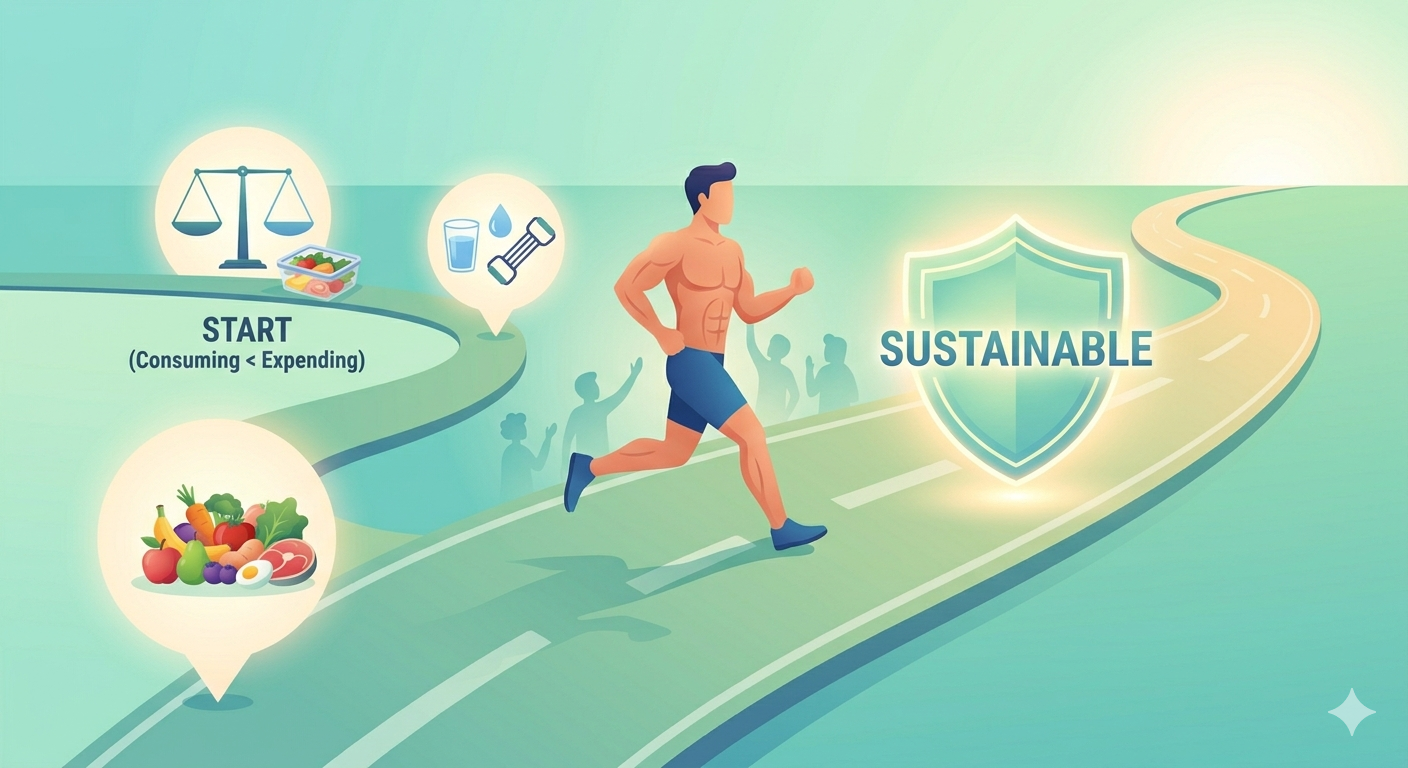
Most people can lose weight for a few weeks. The hard part is keeping it off once real life kicks back in.
That’s where things usually fall apart.
One stressful month, a vacation, busy work schedule, family dinners, skipped workouts, late-night cravings… and suddenly the “perfect plan” becomes impossible to follow. That’s why so many people end up gaining the weight back, even after putting in serious effort.
Real, sustainable weight loss has less to do with motivation and more to do with building a lifestyle you can actually live with long-term. Not a punishment phase. Not a temporary diet. Just habits that make sense for your life.
At a modern weight loss clinic & OHIP covered weight loss programs, this is becoming a much bigger focus now too. People are tired of extreme dieting. They want results they can maintain without feeling miserable all the time.
Sustainable Weight Loss Doesn’t Feel Extreme
One of the biggest misconceptions about losing weight is that you need to suffer through it.
People think if they’re not exhausted, starving, or cutting out every food they enjoy, it somehow “doesn’t count.” But honestly, the opposite is usually true.
If your routine is too strict, your chances of sticking to it long-term drop dramatically.
That’s why sustainable weight loss usually includes things like:
- Eating normal meals
- Having flexibility for social events
- Sleeping enough
- Finding exercise you don’t hate
- Managing stress properly
- Allowing treats sometimes without guilt
A plan that works for 3 weeks but collapses after a birthday party is not a good plan. It’s just temporary discipline.
The people who maintain their results for years usually don’t live in “diet mode” forever. Their habits simply became part of everyday life over time.
Why Fast Weight Loss Often Backfires
Quick transformations look exciting online. But behind the scenes, they’re usually hard to maintain.
Crash diets tend to create an all-or-nothing mindset:
“I was perfect today.”
“I messed up.”
“I’ll restart Monday.”
That cycle burns people out mentally more than physically.
When calories get too low, hunger hormones increase, energy drops, cravings spike, and eventually most people rebound. Sometimes they regain more weight than they originally lost.
That’s one reason sustainable weight loss matters so much. Slower progress might feel less dramatic, but it’s often far more stable.
Losing 1 to 2 pounds per week may not sound flashy on TikTok, but over a year? That becomes life-changing.
The Goal Isn’t Just Weight Loss
A lot of people secretly ask the same question: “How to stay skinny after losing weight?” And honestly, that’s the real challenge.
Because losing weight and maintaining weight are actually two different skill sets.
During weight loss, motivation can carry you for a while. You see the scale moving, clothes fitting better, compliments coming in. That momentum helps. Maintenance is different. There’s no constant excitement anymore. Life normalizes again. That’s why routines matter more than motivation eventually.
People who maintain results long-term usually have a few consistent behaviors:
- They stay somewhat active year-round
- They don’t panic after occasional overeating
- They weigh themselves occasionally or stay aware of habits
- They avoid extreme “cheat day” cycles
- They recover quickly after setbacks
The biggest difference? They stop treating healthy habits like temporary suffering.
You Don’t Need Perfect Discipline
This part surprises people. The most successful long-term weight loss journeys are rarely perfect. There are vacations. Holidays. Random pizza nights. Stress eating moments. Weeks where workouts barely happen. But sustainable weight loss allows room for real life instead of pretending real life won’t happen.
One unhealthy meal doesn’t ruin progress. One skipped workout changes nothing. Even one rough week is recoverable.
The problem is usually the spiral afterward:
“I already messed up, so whatever.”
Consistency beats intensity almost every time.
Building Habits That Actually Last
A lot of weight loss advice sounds good in theory but completely unrealistic in practice.
Meal-prepping seven identical containers every Sunday? Some people love that. Most people stop after two weeks.
Doing brutal workouts six days a week? Also not realistic for most adults with jobs, kids, or responsibilities.
Instead, sustainable habits are usually boring in the best way possible.
Things like:
- Walking more daily
- Eating more protein
- Drinking fewer liquid calories
- Cooking at home a little more often
- Strength training a few times weekly
- Sleeping properly
- Managing stress better
None of these sound revolutionary. But together, they work incredibly well over time.
That’s the frustrating truth about sustainable weight loss. It’s often less about hacks and more about consistency with basic things.
The Emotional Side of Weight Loss Matters Too
A lot of eating habits have emotional patterns attached to them.
Stress.
Comfort.
Boredom.
Reward.
Social pressure.
If those things never get addressed, weight loss becomes much harder to maintain.
That’s another reason overly restrictive plans fail. They only focus on food, not behavior.
Learning how to manage emotional eating, stress cravings, or late-night snacking patterns can make a massive difference long-term.
Sometimes people don’t actually need more willpower. They just need systems that fit their life better.
Exercise Should Support Your Life, Not Consume It
You do not need to spend two hours in the gym every day to maintain results. In fact, the best workout plan is usually the one you’ll continue doing consistently. For some people that’s strength training, for others it’s walking, cycling, swimming, classes, or sports.
The important thing is sustainability. If you hate every second of your workout routine, eventually you’ll quit it. Movement should improve your energy and health, not make your life feel smaller.
So… How to Stay Skinny After Losing Weight?
People searching “How to stay skinny after losing weight” are usually afraid of regaining everything.
That fear is understandable. Many people have gone through the lose-gain cycle multiple times already.
The biggest key is this:
Don’t return to the exact habits that caused the weight gain in the first place.
Maintenance isn’t about permanent dieting. It’s about keeping enough structure in your lifestyle that your body weight stays relatively stable.
That might mean:
- Staying active most weeks
- Watching portion sizes loosely
- Keeping protein intake high
- Eating treats in moderation instead of binge cycles
- Catching small weight regain early instead of ignoring it for months
Small habits maintained consistently are what protect long-term results.
Final Thoughts
At the end of the day, sustainable weight loss should make your life feel better, not more miserable.
You should still enjoy dinners out.
Still celebrate birthdays.
Still travel.
Still live normally.
The difference is learning balance instead of extremes, because the people who maintain weight loss long-term usually aren’t the most “hardcore.” They’re the ones who found habits realistic enough to continue for years.
And honestly, that’s what real success looks like.
