

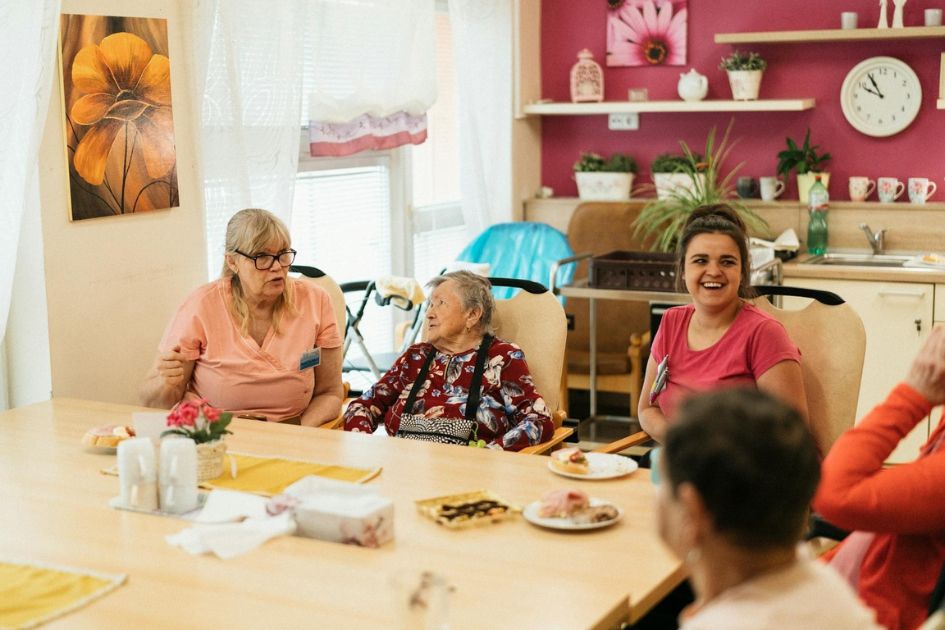
At some point, many of us begin to realize that a full life isn’t just about staying busy—it’s about feeling connected, grounded, and meaningful. Community life plays an enormous role in that realization. When people share spaces, routines, conversations, and experiences, something deeper happens: reflection becomes more natural, purpose feels clearer, and belonging stops being an abstract idea and turns into something lived every day.
Community isn’t just about being around others. It’s about being connected to others in ways that shape how we think, feel, and live.
Reflection Thrives When Life Isn’t Rushed
Modern life often pulls us in a hundred directions at once. When we’re constantly rushing from one obligation to the next, reflection gets pushed aside. Community-oriented living slows things down in a subtle but powerful way.
Casual conversations, shared meals, familiar faces, and predictable rhythms create breathing room in the day. Reflection doesn’t have to mean silence or solitude—it often happens through dialogue. Talking with others, listening to their perspectives, and sharing stories naturally invites us to revisit our own experiences and values.
In community settings, reflection becomes part of everyday life. It happens during morning coffee, afternoon walks, or spontaneous conversations that spark insight without effort.
Shared Experiences Add Meaning to Daily Life
Purpose often grows from participation. When people contribute to shared activities—whether that’s helping organize an event, mentoring someone, or simply showing up regularly—it reinforces the idea that their presence matters.
Community life provides opportunities to engage without pressure. You don’t have to take on a leadership role to feel purposeful. Sometimes purpose comes from reliability, kindness, or simply being part of something larger than yourself.
These shared experiences create continuity. Days stop feeling interchangeable because there are moments to look forward to—events, conversations, gatherings—which gives structure and meaning to time.
Belonging Is Built Through Familiarity
Belonging doesn’t happen instantly. It develops through repetition and recognition. Seeing the same people, exchanging small kindnesses, and building shared understanding over time all contribute to a sense of rootedness.
Community environments naturally support this process. Familiar faces turn into friendly acquaintances, then trusted connections. Over time, people feel seen—not for what they do, but for who they are.
This sense of belonging is deeply stabilizing. It reassures people that they are part of something consistent, even as other aspects of life change.
Purpose Emerges Through Contribution
One of the most powerful aspects of community life is the opportunity to contribute in meaningful but manageable ways. Purpose doesn’t require grand gestures—it often shows up in everyday involvement.
Offering support, sharing knowledge, participating in activities, or simply being available for conversation all reinforce a sense of usefulness. These contributions are often subtle, but they matter deeply to both the giver and the receiver.
Purpose grows strongest in environments where contributions are recognized and valued, not measured by productivity. Community life shifts the focus from achievement to engagement.
Emotional Well–Being Is Strengthened by Connection
Human beings are wired for connection. Regular social interaction supports emotional health by reducing isolation, encouraging empathy, and creating emotional anchors throughout the day.
In a community setting, emotional support doesn’t feel formal or clinical—it’s organic. A shared laugh, a sympathetic ear, or a familiar presence can lift spirits in ways large interventions never could.
These everyday interactions help regulate emotions and create resilience. People feel more capable of navigating challenges when they know they are not alone.
Reflection Becomes a Shared Journey
When people live in community, reflection isn’t only internal—it becomes collaborative. Hearing how others interpret their experiences can reshape how we understand our own. Different perspectives challenge assumptions and open new ways of thinking.
This shared reflection fosters growth. It encourages curiosity instead of judgment and invites openness rather than defense. Over time, people become more comfortable examining their lives honestly, supported by the insight and empathy of those around them.
Community normalizes reflection as a healthy, ongoing process rather than something done only in moments of crisis.
Belonging Creates Emotional Safety
Belonging isn’t just about being included—it’s about feeling emotionally safe. Community life fosters that safety through consistency, shared norms, and mutual respect.
When people know what to expect from their environment and the people in it, they relax. That sense of safety frees up emotional energy that can be redirected toward creativity, connection, and self-discovery.
This emotional safety makes it easier to participate, express oneself, and remain open to new experiences.
Purpose Deepens Through Routine
Purpose doesn’t always feel dramatic. Often, it grows quietly through routine participation. Knowing that your presence contributes to the rhythm of daily life—morning greetings, shared meals, recurring activities—reinforces a sense of meaning.
Community routines create gentle accountability. Not obligation, but expectation: others notice when you’re there, and they appreciate it. That simple recognition strengthens purpose in a grounded, sustainable way.
Over time, routines transform into rituals that anchor daily life with meaning.
Community Spaces Shape Experience
The physical design of community spaces plays a role in how connection unfolds. Comfortable shared areas, accessible layouts, and inviting gathering spots make interaction feel natural rather than forced.
Spaces that encourage lingering—places to sit, walk, talk, or observe—support reflection and conversation. When environments are thoughtfully designed, they gently nudge people toward participation without pressure.
This is part of why thoughtfully designed communities like TerraBella in Northridge resonate with individuals who value connection, comfort, and a meaningful sense of belonging as part of everyday life.
Belonging Strengthens Identity
Being part of a community reinforces personal identity. People are reminded not only of who they are, but of who they’ve been and who they’re becoming. Shared stories, collective memories, and mutual recognition help preserve a sense of continuity over time.
Belonging affirms that life experiences matter—that they contribute to a shared narrative. This affirmation strengthens self-worth and fosters a deeper appreciation for one’s own journey.
Conclusion
Community life does more than bring people together—it supports reflection, nurtures purpose, and creates a genuine sense of belonging. Through shared experiences, daily interaction, and meaningful connection, community transforms ordinary moments into something richer and more grounded.
In a world that often emphasizes independence above all else, community reminds us that growth, meaning, and fulfillment are deeply relational. When people belong, they reflect more deeply, live with greater purpose, and feel more fully at home in their lives.

Welcome to Blessings There! I’m the creator and author behind this website. I love sharing useful insights, informative content, and knowledge that can add value to everyday life.